
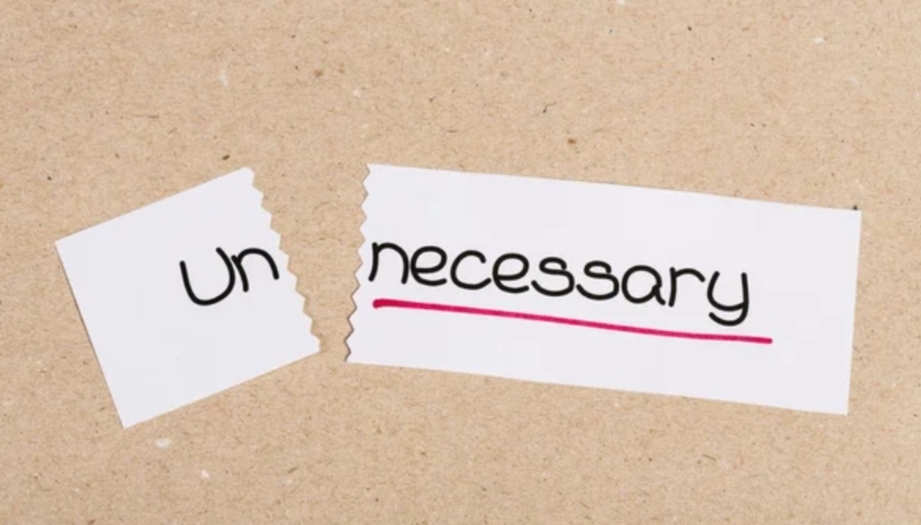
What are the basic necessities of life, things we cannot live without. Think about your morning routine. You probably wake up to an alarm on a smartphone. You might check a smart band on your wrist in order to see how many hours of sleep you got. Then, you might make coffee using a machine that uses plastic pods, or open an app to order a latte.
If you told someone from a hundred years ago about this routine, they would be incredibly confused. None of these things are required to keep us alive. We only need food, water, shelter, and clothing to survive.
Yet, if you took away your smartphone, your internet, or your coffee machine today, your week would probably fall apart. These are the unnecessary necessities of modern life. They are things that started out as luxury items, but slowly turned into things we cannot live without.
How a “Want” Becomes a “Need”
How did we get to a point where we feel lost without a glowing glass screen in our pockets? It usually happens in three simple steps.
- Step 1: The Luxury: A new invention comes out. It is expensive, a little complicated, and only wealthy people or tech fans buy it. Think of the very first cell phones in the 1980s, they were the size of bricks and cost thousands of dollars.
- Step 2: The Convenience: The item gets cheaper and better. Regular people start buying it because it makes life easier. People start saying, “Wow, this saves me so much time!”
- Step 3: The Trap: The world changes to fit the new invention. Businesses stop using paper and move everything online. Payphones disappear. Suddenly, you must have the item in order to participate in everyday society. You can no longer choose not to use it.
Four Areas Where This Happens Every Day
We can find these unnecessary necessities in almost every part of our lives. Here is a breakdown of how they sneak into our daily budgets and routines:
1. The Internet and Gadgets
Technically, humans lived for thousands of years without Wi-Fi. But today, try applying for a job, doing your homework, checking your bank account, or paying your electricity bill without the internet. It is almost impossible. What started as a fun way to send emails has become just as important as running water or electricity in the home.
2. Subscriptions and Digital Renting
We used to buy things once and own them forever. We bought DVD discs, music CDs, and software in cardboard boxes. Today, we rent everything. We pay monthly fees for television streaming, monthly fees for music, and even monthly fees just to have extra storage space for our digital photos. We don’t actually own our entertainment anymore, we just pay a never-ending subscription fee in order to keep access to it.
3. Delivery and Convenience Apps
We have apps that will bring groceries to our door, apps that will drop off dinner from a restaurant two blocks away, and apps that will summon a car to pick us up in five minutes. These services are wonderful, but they are classic examples of things we don’t truly need. We use them because modern life feels so busy and fast that we are willing to spend extra money just to buy back a few minutes of free time.
4. The Wellness Trend
We buy watches that track our heart rates, pay for expensive gym memberships, and buy specialized office chairs to support our backs. The irony is that we need these expensive wellness items because our modern jobs force us to sit still in front of computers all day. We are spending money to fix the physical problems caused by the way we work.
The Real Cost of Being Comfortable
Why is this a problem? There are a few reasons why the rise of these unnecessary necessities makes life harder, rather than easier.
First, it makes life much more expensive. The basic cost of just existing in society is much higher than it used to be. Decades ago, a household budget didn’t need to include phone data plans, internet bills, and five different streaming subscriptions. Today, those are considered standard monthly expenses.
Second, these items stop bringing us true happiness. When a luxury becomes a necessity, we take it for granted. You don’t wake up every morning feeling incredibly grateful that your refrigerator works or that your phone has a signal. You only notice these things when they break down. When they fail, you feel stressed and angry. Therefore, having them doesn’t make us happier, it just keeps us from being upset.
Finally, it creates a loop that is hard to escape. We have to work longer hours to earn enough money to pay for the modern conveniences that help us survive our long work hours. We buy an expensive coffee to get through the morning commute, and we pay for fast food delivery because we are too tired to cook after a long day at the office.
Finding a Balance
It is not realistic to suggest that everyone should throw away their smartphones, cancel their internet, and move out into the wilderness to live in a cabin. The modern world requires modern tools.
However, we can be more mindful about what we allow into our lives. Every few months, it is a good idea to look at your daily habits and your bank statements and ask yourself a few questions:
- Am I paying for this subscription because it truly makes me happy, or did I just forget to cancel it?
- Do I really need the newest version of this gadget, or does my current one work perfectly fine?
- Am I using this convenience app because I genuinely need to save time, or am I just being a bit lazy?
The goal is not to live a life of hardship. The goal is to make sure that you are owning your things, rather than letting your things own you. True freedom in the modern world isn’t about having every single convenience available; it is knowing that you would be perfectly happy and fine even if those conveniences disappeared for a day.