
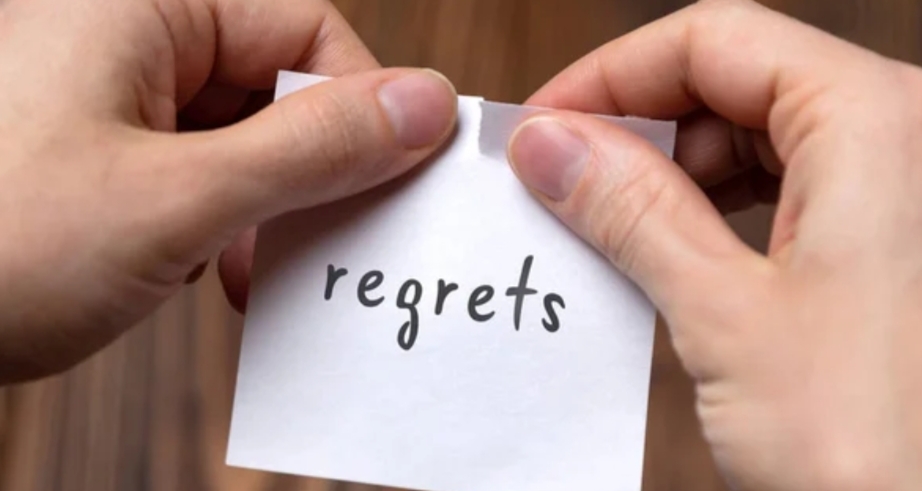
We’ve all been there, lying awake at 2:00 AM, replaying a conversation from three years ago, or wondering how life might look if we had taken that other job. Regrets are universal human experience, but while it’s natural to feel it, staying in it is like trying to drive a car while staring exclusively at the rearview mirror. Eventually, you’re going to crash.
To live a vibrant, healthy life, we have to acknowledge a hard truth: regret is a thief of the present. Here is why clinging to the past is detrimental to your well-being and how to shift your perspective.
1. The Physiological Toll of “Should Have”
Regret isn’t just a bad mood; it’s a form of chronic stress. When we obsess over past mistakes, our bodies react as if we are in immediate danger. This mental looping can lead to:
- Increased Cortisol: Constant rumination keeps stress hormones high, which can weaken the immune system.
- Sleep Disruption: It’s hard to rest when your brain is busy litigating cases from a decade ago.
- Mental Fatigue: The cognitive energy spent on the past is energy taken away from solving today’s problems.
2. The Illusion of Control
The most frustrating thing about regret is that it’s based on a fallacy. We judge our past selves using information we only have now. “You made the best decision you could with the tools, maturity, and information you had at the time.”
When you regret a choice, you are essentially mad at a version of yourself that didn’t have the foresight you have today. It’s an unfair fight, and one you can never win.
3. Regret Paralyzes Future Action
Perhaps the most unhealthy aspect of regret is that it creates a fear of making new decisions. If you are traumatized by a past failure, you are more likely to fall into analysis paralysis. You become so afraid of feeling that sting of regret again that you stop taking risks altogether. A life without risk is a life that has stopped growing.
How to Let Go
If you find yourself stuck in a cycle of regret, try these three steps:
- Acknowledge and Release: Name the regret. “I regret how I handled that relationship.” Acknowledge the pain, then consciously decide that the penalty phase of your life is over.
- Find the Data: Treat the past like a laboratory. What did the failed experiment teach you? If it taught you what you don’t want, it wasn’t a waste of time.
- Practice Radical Forgiveness: You wouldn’t treat a friend with the same harshness you use on your past self. Extend yourself some grace.
Life is lived in the “now,” and the future is built on the choices you make today. You cannot write a new chapter if you keep re-reading the last one. By letting go of regret, you free up the mental and emotional space to actually enjoy the life you’re currently living.
Regret is a ghost, don’t let it haunt a perfectly good house.