Your choices make your lifestyle

your choices make your lifestyle

In life, we are constantly faced with choices that shape our paths and ultimately make up our lifestyle. From the simplest decisions like what to eat for breakfast to major life choices like career paths or relationships. Our choices have a significant impact on our overall well-being.

It all starts with small decisions we make on a daily basis. What we choose to prioritize in our lives. Whether it’s health, fitness, relationships, or career, has a direct effect on the lifestyle we lead. For example, choosing to prioritize regular exercise and healthy eating can lead to a fit and active lifestyle. On the other hand prioritizing socializing and building relationships can result in a more social and outgoing lifestyle.

Our choices also determine the habits we form, which in turn shape our lifestyle. Repetition of choices makes our habits. Whether it’s choosing to go for a run every morning or opting to watch TV instead of reading a book. These habits then become ingrained in our daily routines and ultimately define the kind of lifestyle we lead.

Furthermore, the choices we make in how we spend our time and money also play a significant role in determining our lifestyle. Choosing to invest time and money in experiences, personal development, building relationships can lead to a fulfilling and enriching lifestyle. On the other hand, prioritizing material possessions or instant gratification can result in a shallow and unfulfilling lifestyle.

Ultimately, our choices reflect our values, priorities, and goals in life. By being mindful of the choices we make, we can steer our lives in a direction that aligns with our beliefs and desires. Whether it’s choosing to prioritize self-care, personal growth, happiness, or success, our choices have the power to shape the lifestyle we lead.

Therefore, our choices truly do make our lifestyle. By being intentional and conscious of the decisions we make, we can create a lifestyle that is in line with our values and aspirations. So, next time you are faced with a decision, remember that your choices have the power to shape the life you lead. Choose wisely.

The illusion of choice in life

When nothing seems to go right

when nothing seems to go right

It’s a familiar feeling that we all experience at some point in our lives – when nothing seems to go right. Whether it’s personal relationships, work, health, or any other aspect of our lives, it can feel overwhelming and frustrating when everything seems to be going wrong.

When we find ourselves in this situation, it can be incredibly challenging to stay positive and motivated. We may feel like we’re stuck in a never-ending cycle of setbacks and obstacles, and it can be difficult to see a way out.

But even when nothing seems to go right, it’s important to remember that this too shall pass. Life is full of ups and downs, and while it may be difficult to see it in the moment, there is always a light at the end of the tunnel.

What to do when nothing goes right?

One of the first steps to take when facing a string of setbacks is to acknowledge and accept your feelings. It’s okay to feel frustrated, upset, or even defeated. Allow yourself to experience these emotions, but don’t let them consume you. Find healthy ways to cope with your emotions, whether it’s talking to a friend, journaling, or engaging in activities that bring you joy.

Next, try to shift your focus from what’s going wrong to what’s going right. It can be easy to fixate on our problems and overlook the positives in our lives. Take a moment to reflect on the things you’re grateful for, whether it’s your loved ones, your health, or the small moments of joy that bring you happiness.

It can also be helpful to take a step back and evaluate the situation objectively. Are there any patterns or recurring issues that you can identify? Is there a way to approach the problem from a different angle? Sometimes, a fresh perspective can make all the difference in finding a solution.

Remember to be kind to yourself during challenging times. It’s okay to make mistakes, to feel overwhelmed, and to struggle. No one is perfect, and we all face obstacles in life. Give yourself permission to take a break, to practice self-care, and to seek support from others.

Lastly, remember that setbacks and challenges are an inevitable part of life. They are opportunities for growth, learning, and resilience. When nothing seems to go right, it can be a chance to develop new skills, to discover your strengths, and to emerge stronger on the other side.

So, when you find yourself in a situation where nothing seems to go right, remember that this is just a temporary state. Keep moving forward with patience, perseverance, and faith that better days are ahead. Trust in yourself and in the journey that lies ahead. This too shall pass.

Embracing life with its unexpected turns

Here’s how you can keep learning new skills?

Here's how you can keep learning new skills

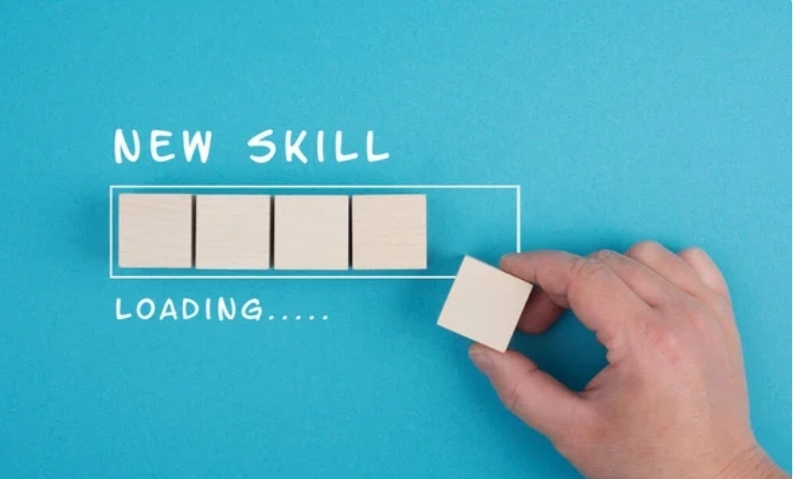
In today’s fast-paced world, in order to stay relevant in the job market one requires continuous learning and skill development. With technology constantly evolving and industries changing, it’s crucial to remain adaptable and keep learning new skills. Whether you’re looking to advance in your current career or explore new opportunities, here are some tips on how you can keep learning new skills.

Set clear goals

Before you embark on your learning journey, determine what skills you want to acquire and why. Setting clear goals will help you stay focused and motivated throughout the process. Whether it’s improving your communication skills, learning a new programming language, or acquiring leadership abilities, having specific objectives in mind will guide your learning path.

Take advantage of online resources

The internet is a treasure trove of information and resources for learning new skills. Websites like Coursera, Udemy, and LinkedIn Learning offer a wide range of courses on various topics, from digital marketing to data analysis. You can also find tutorials, webinars, and articles on platforms like YouTube, TED Talks, and Medium. Take advantage of these resources in order to enhance your knowledge and skills.

Join a community or network

Surrounding yourself with like-minded individuals who share your interests can be a great way to learn new skills. Joining a professional association, attending networking events, or participating in online communities can provide you with valuable insights and opportunities for growth. Engaging with others who are also passionate about learning can inspire you and keep you motivated.

Practice regularly

Learning a new skill takes time and practice. Therefore, make sure to dedicate regular time to honing your abilities and applying what you’ve learned. Whether it’s through hands-on projects, group discussions, or real-world scenarios, practicing your skills will reinforce your learning and help you make progress.

Seek feedback and mentorship

Feedback is essential for growth and improvement. Don’t be afraid to ask for feedback from peers, mentors, or experts in the field. Their insights can help you identify areas for improvement and provide valuable guidance on how to enhance your skills. Finding a mentor can also be beneficial in your learning journey. Mentors can offer guidance, support, and valuable insights based on their own experiences.

Stay curious and be open to new experiences

Learning new skills requires a curious mind and a willingness to step out of your comfort zone. Be open to trying new things, exploring different perspectives, and embracing challenges. Adopting a growth mindset and viewing setbacks as opportunities for learning and development will help you stay resilient and motivated in your pursuit of new skills.

    Hence, keep learning new skills because it is essential for personal and professional growth in today’s rapidly changing world. By setting clear goals, leveraging online resources, joining communities, practicing regularly, seeking feedback, and staying curious, you can continuously expand your knowledge and abilities. Embrace the learning process as a lifelong journey and enjoy the rewards of acquiring new skills and staying ahead of the curve.

    Things that hold power over our mind

    How to know are you at the right place or not

    how to know are you at right place or not

    Finding the right place to be in life is essential for overall happiness and fulfillment. Whether it’s your job, relationship, living situation, or any other aspect of your life, being in the right place can make all the difference. But how do you know if you are in the right place or not? Here are a few key indicators to help you determine if you are where you should be:

    Your gut feeling

    Trust your intuition. If you feel a sense of peace, contentment, and joy in your current situation, then chances are you are in the right place. Your gut feeling is often a good indicator of whether something is right for you or not. Listen to it and trust it.

    Alignment with your values and goals

    Take a step back and evaluate if your current situation aligns with your values and goals. Are you living in alignment with what is important to you? If your values and goals are not being met then it may be a sign that you are not in the right place.

    Growth and development

    Are you growing and evolving in your current situation? Are you learning new things and challenging yourself? If you feel stagnant and stuck then it may be a sign that you are not where you should be. Growth and development are key indicators of being in the right place.

    Positive relationships

    Surround yourself with people who uplift and support you. If your relationships are toxic, draining, or unhealthy then it may be a sign that you are not in the right place. Positive relationships are essential for overall well-being and happiness.

    Authenticity and self-expression

    Are you able to be your true self in your current situation? Are you able to express yourself authentically and fully? If you feel stifled or constrained, it may be a sign that you are not in the right place. Being able to be yourself and express yourself is crucial in order to feel fulfilled.

    Sense of purpose

    Do you feel a sense of purpose and meaning in your current situation? Are you passionate about what you are doing? Feeling a sense of purpose is a strong indicator that you are in the right place. When you are aligned with your purpose, everything falls into place.

      Ultimately, only you can determine if you are in the right place or not. Take the time to reflect on these key indicators and listen to your intuition. If you find that you are not in the right place, make the necessary changes to get yourself there. Life is too short to stay in situations that do not serve you. Therefore, trust yourself and take the necessary steps to ensure that you are where you should be.

      Persistence is important in life

      Why do we create scenarios in our mind?

      why do we create scenarios in our mind

      Imagining different scenarios is a common phenomenon that occurs in the human mind. From envisioning potential outcomes to daydreaming about different possibilities, creating scenarios in our minds serves a variety of purposes. But why do we do this?

      One reason for creating scenarios in our minds is to help us prepare for potential future events. By imagining different situations and possible outcomes, we are able to mentally rehearse how we would respond and adapt to different circumstances. This can help reduce anxiety and increase our sense of control over uncertain situations.

      Creating scenarios in our minds can also serve as a form of problem-solving. When faced with a difficult decision or challenging situation, our minds naturally generate various scenarios and explore different options. This process of mental simulation allows us to consider different perspectives and evaluate the potential consequences of our choices.

      Additionally, creating scenarios in our minds can be a source of creativity and inspiration. By letting our imaginations run wild and exploring different possibilities, we can come up with innovative ideas and solutions to problems. This type of mental flexibility can help us think outside the box and explore new perspectives.

      Furthermore, creating scenarios in our minds can play a role in our emotional well-being. Daydreaming about positive scenarios or envisioning ourselves achieving our goals can boost our mood and increase our motivation. On the other hand, imagining worst-case scenarios can help us prepare for potential challenges and build resilience.

      In summary, creating scenarios in our minds is a natural and adaptive process that serves a variety of psychological functions. From preparing for future events to problem-solving and fostering creativity, imagining different scenarios can help us navigate the complexities of life and enhance our mental well-being. So next time you find yourself lost in thought, remember that creating scenarios in your mind is simply your brain’s way of exploring possibilities and preparing you for whatever may come your way.

      Things that hold power over our mind

      Saying ‘No’ is better than trying to be nice

      saying 'no' is better than trying to be nice

      In today’s society, there is a common belief that being nice and accommodating to others is the best way to navigate social interactions. While being kind and considerate is important, there are times when saying no is actually the better choice.

      Too often, people find themselves agreeing to things they don’t want to do out of a sense of obligation or fear of disappointing others. Therefore, this can lead to feelings of resentment, stress, and burnout. By saying yes to everything, you are essentially prioritizing the needs and desires of others over your own well-being.

      Saying no is not about being selfish or uncaring. In fact, it is about setting boundaries and asserting yourself in a healthy way. By saying no, you are being honest with yourself and others about what you are able and willing to do. This can lead to more authentic and fulfilling relationships, as you are not pretending to be someone you are not.

      Additionally, saying no can actually benefit the other person as well. By being honest about your limitations, you are giving them the opportunity to find alternative solutions or resources. It is important to remember that it is not your responsibility to always say yes and solve everyone else’s problems.

      Of course, saying no can be difficult, especially if you are a people pleaser or worry about upsetting others. However, it is a skill that can be learned and practiced over time. Start by setting clear boundaries and being assertive in your communication. Remember that it is okay to prioritize your own needs and well-being.

      Therefore, saying no is better than trying to be nice in certain situations. It allows you to be true to yourself, set boundaries, and prioritize your own well-being. By being honest and assertive in your communication, you can cultivate more authentic and fulfilling relationships with others. Saying no is not selfish, it is an act of self-care and self-respect.

      Embracing life with its unexpected turns

      Why things are not getting better?

      why things are not getting better

      It can be frustrating when despite all your efforts, things just don’t seem to be improving for you. Whether it’s in your personal relationships, career, health, or overall well-being, it can feel like you’re stuck in a rut with no way out. But before you give up hope, it’s important to take a step back and assess why things may not be getting better for you.

      One reason could be a lack of self-awareness. It’s essential to reflect on your actions, behaviors, and attitudes to understand why things are not improving for you. Are you taking responsibility for your actions or playing the victim card? Are you making changes in your life or waiting for things to magically get better? Being honest with yourself and acknowledging areas where you need to improve is the first step towards making positive changes.

      Another reason could be a fear of change. Change can be intimidating and uncomfortable, but it’s often necessary for growth and improvement. If you’re resistant to change or stuck in your comfort zone, it’s likely that things will not get better for you. Embracing change, stepping out of your comfort zone, and being open to new opportunities are crucial for progress and success.

      Moreover, lack of consistency and persistence can also hinder your progress. If you’re not putting in consistent effort towards your goals and giving up easily when faced with challenges, it’s unlikely that things will improve for you. Success rarely comes overnight, and it requires hard work, dedication, and perseverance. Keep pushing forward, stay focused on your goals, and never give up, no matter how tough things may seem.

      Additionally, it’s essential to surround yourself with positivity and support. Negative influences, toxic relationships, and unsupportive environments can hold you back from reaching your full potential. Surround yourself with people who uplift and inspire you. Seek guidance and advice from mentors, and create a supportive network that encourages your growth and success.

      Hence, if things are not getting better for you, take a moment to reflect on your actions, mindset, and environment. Identify areas where you can improve, be open to change, stay persistent in your efforts, and surround yourself with positivity and support. By making these changes, you’ll be on the path towards a brighter and more fulfilling future. Remember, progress may be slow, but with determination and perseverance, you can overcome any obstacles and achieve the success you desire.

      The illusion of choice in life

      Say your wishes out loud to the universe

      say your wishes out loud to the universe

      Have you ever heard of the power of speaking your wishes out loud to the universe? The idea behind this practice is that by verbalizing your desires and goals, you are sending a clear message to the universe about what you want to manifest in your life. By doing so, you are aligning yourself with the energy of your desires. This makes it more likely for them to come to fruition.

      There is a certain power in speaking your wishes out loud. When you vocalize what you want, you are putting it out into the world, making it more real and tangible. It’s like making a declaration to the universe that this is what you want, and you’re ready to receive it.

      Furthermore, saying your wishes out loud can also help to clarify your intentions and focus your energy on what truly matters to you. By articulating your desires, you are able to get clear on what you want and why you want it. This can help you to stay focused and motivated. This makes it more likely for you to take action towards achieving your goals.

      Another benefit of saying your wishes out loud is that it can help to shift your mindset. By doing so, you can shift your mindset from one of lack and scarcity to one of abundance and possibility. By expressing gratitude for what you already have and stating your desires for what you want to manifest, you are inviting more positivity and abundance into your life.

      So how can you start practicing this yourself?

      It’s as simple as taking a few moments each day to speak your wishes out loud. You can do this in the form of affirmations, where you repeat positive statements about what you want to manifest in your life. Or you can simply have a conversation with the universe, stating your desires and expressing gratitude for what you already have.

      Remember, the universe is always listening and responding to your thoughts and feelings. By vocalizing your wishes and desires, you’re signaling to the universe that you are ready and open to receive them. So go ahead, say your wishes out loud to the universe, and watch as your dreams start to come true.

      Why connections are important in life?

      Great things always take time

      great things always take time

      In today’s fast-paced world, we are constantly bombarded with messages of instant gratification. From fast food to quick-fix weight loss solutions, we are constantly told that we should be able to have whatever it is we want, right now. However, the truth is that great things always take time.

      Whether it’s achieving a big goal, building a successful career, or creating a lasting relationship, the things that truly matter in life require time, effort, and patience. This is because anything worth having is worth working for. The journey towards achieving our goals is often just as important as the end result.

      One of the biggest misconceptions about success is that it happens overnight. In reality, most successful people have put in years of hard work, dedication, and perseverance to achieve their goals. They have faced setbacks, failures, and obstacles along the way, but they have stayed the course and kept pushing forward, knowing that great things take time.

      Think about some of the greatest achievements in history, from the construction of the pyramids to the invention of the light bulb. These things didn’t happen overnight. They required years of planning, dedication, and hard work. And while the end result may have seemed like a sudden success, it was actually the culmination of years of effort and determination.

      The same principle applies to personal growth and development. Whether it’s learning a new skill, overcoming a fear, or improving a relationship, these things don’t happen overnight. They require time and patience, as well as the willingness to push through challenges and setbacks.

      There is no substitute for hard-work

      Hard work is the foundation of any achievement or progress. It is the key that unlocks doors of opportunity and opens pathways to success. There are no shortcuts or easy ways out when it comes to hard work. It requires dedication, persistence, and a willingness to push through challenges and obstacles.

      Hard work is what separates the successful from the average. It is what sets apart those who achieve their dreams from those who only dream about them. Hard work is not always glamorous or exciting, but it is necessary for growth and progress. It is the sweat, tears, and sacrifices that go into achieving a goal that make the end result all the more rewarding.

      When we put in the effort and commit ourselves to hard work, we develop important skills such as discipline, perseverance, and resilience. These qualities are invaluable when it comes to navigating the ups and downs of life and overcoming setbacks and failures. Hard work instills a sense of satisfaction and pride in our accomplishments. Knowing that we have earned our success through our own efforts and determination.

      In a world that is constantly seeking instant gratification and easy solutions, it can be tempting to look for shortcuts or ways to avoid hard work. However, we must remember that great things take time and success is not handed to us on a silver platter. It is earned through hard work, dedication, and a willingness to go the extra mile.

      So the next time you find yourself feeling frustrated by the slow progress towards your goals, remember that great things always take time. Stay focused, stay committed, and trust in the process. Also, remember that there is no substitute for hard work. Embrace the opportunity to put in the effort and strive towards your goals with determination and perseverance. In the end, your hard work will pay off and you will reap the rewards of your dedication and commitment.

      Persistence is important in life

      Is sixth sense always right?

      is sixth sense always right

      In popular culture and psychology, the concept of the sixth sense is often portrayed as a mysterious and intuitive ability that some people possess. It is described as a form of extra-sensory perception. It allows individuals to perceive information beyond the five physical senses of sight, hearing, taste, touch, and smell.

      Many people believe in the existence of a sixth sense. Many people also claim to have experienced moments of intuition or premonition that cannot be explained by logic or reason. For example, some individuals may have a gut feeling that warns them of impending danger or guides them to make a decision that ultimately leads to a positive outcome.

      However, the question remains – is the sixth sense always right? Can we truly rely on our intuition and gut instincts to make important decisions in life?

      While many people swear by the accuracy of their sixth sense, the reality is that it is not foolproof. Just like our other senses, our intuitive abilities can be influenced by various factors. Factors such as our emotions, beliefs, past experiences, and current state of mind.

      On the flip side, our intuition can also be clouded by bias, fear, anxiety, or other psychological factors that can lead us astray. In some cases, our sixth sense may misinterpret signals or information. It can lead us to make decisions that are not in our best interest.

      It is important to approach the concept of the sixth sense with a healthy dose of skepticism and critical thinking. While intuition can be a valuable tool in certain situations, it should not be used as a sole determinant of truth or wisdom.

      Instead, it is essential to balance our intuitive insights with rational analysis, research, and consultation with trusted advisors or experts. By combining our intuition with logical reasoning, we can make more informed and balanced decisions. The decisions that are less likely to be influenced by biases or preconceived notions.

      Therefore, the sixth sense is not always right. While it can provide valuable insights and guidance, it is important to approach it with caution. We should not rely solely on intuition when making important decisions. By blending intuition with critical thinking, we can harness the full potential of our intuitive abilities while minimizing the risks of error or misjudgment.

      Different life in a dream…