How to know if someone’s taking your advantage

how to know if someone is taking your advantage

It can be a difficult realization to come to terms with, but there are times when people may take advantage of us for their own benefit. Whether it’s in a personal or professional relationship, it’s important to know the signs that someone may be taking advantage of you. Here are a few red flags to look out for:

They only contact you when they need something

One of the most common signs that someone is taking advantage of you is when they only reach out to you when they need something. Whether it’s borrowing money, asking for favors, or seeking emotional support. When someone always asks for something without giving anything in return, it may be a sign that they are using you.

They make you feel guilty for saying no

Another tactic that people may use to take advantage of others is making them feel guilty for setting boundaries or saying no. If someone guilts you into doing things you don’t want to do, it’s a clear indication that they are not respecting your boundaries and are manipulating you for their own benefit.

They dismiss your needs and feelings

People who take advantage of others often dismiss their needs and feelings, focusing solely on their own desires and priorities. If someone consistently ignores your feelings, belittles your needs, or devalues your opinions, it’s a sign that they may be using you for their own gain.

They don’t reciprocate in the relationship

Healthy relationships are built on mutual respect, trust, and reciprocity. If you find that you are constantly giving and not receiving in return, it may be a sign that the other person is taking advantage of you. Look for signs of imbalance in the relationship and consider whether the other person is making an effort to meet your needs as well.

They are inconsistent or unreliable

People who take advantage of others may be inconsistent or unreliable in their actions and commitments. They may make promises they can’t keep, cancel plans last minute, or fail to follow through on their obligations. If someone consistently lets you down or leaves you feeling disappointed, it may be a sign that they are not taking your needs and feelings into consideration.

    It’s important to trust your instincts and listen to your gut feelings when it comes to identifying if someone is taking advantage of you. If you feel like you are being used or manipulated, it’s crucial to set boundaries, communicate your needs, and consider whether the relationship is worth maintaining. Remember, you deserve to be in relationships that are healthy, respectful, and mutually beneficial.


    Why setting boundaries is important

    When you get overwhelmed by circumstances

    when you get overwhelmed by circumstances

    Life has its ups and downs, and sometimes we can find ourselves feeling overwhelmed by the circumstances we are facing. Whether it’s work-related stress, relationship issues, health problems, or financial struggles, it’s not uncommon to feel like things are spiraling out of control.

    When you find yourself overwhelmed by circumstances, it’s important to take a step back and evaluate the situation. Ask yourself what is causing you to feel this way and what steps can be taken to address the problem. It can be helpful to talk to someone you trust about how you’re feeling, whether it’s a friend, family member, or therapist. Sometimes just having someone to listen can make a big difference.

    It’s also important to remember to take care of yourself during times of overwhelm. Make sure you’re getting enough sleep, eating well, and finding time to relax and unwind. Exercise can also be a great way to relieve stress and clear your mind.

    It can be helpful to break down the overwhelming situation into smaller, more manageable tasks. Create a to-do list and prioritize what needs to be done first. By taking small steps towards addressing the issue, you can start to regain sense of control and feel more empowered.

    Sometimes, it can be beneficial to take a break from the situation that is causing you to feel overwhelmed. Whether it’s a weekend getaway, a day off work, or simply taking a few hours to do something you enjoy, giving yourself a break can help you gain perspective. It can also help you come back with a fresh outlook.

    Finally, remember that it’s okay to ask for help. Whether it’s seeking guidance from a professional, reaching out to a support group, or leaning on friends and family, know that you don’t have to go through it alone.

    When you find yourself overwhelmed by circumstances, remember that it’s a temporary feeling and that things will eventually get better. By taking care of yourself, seeking support, and taking small steps towards addressing the issue, you can start to regain a sense of control and move forward in a positive direction.

    How our mindset makes a big difference in life

    Do we really have a free will

    do we really have a free will

    The concept of free will has been a topic of debate among philosophers, scientists, and theologians for centuries. The idea that humans have the freedom to make choices independent of external influences has been central to our understanding of personal responsibility and moral agency. But recent scientific research and philosophical arguments have raised questions about whether we truly have free will.

    One of the main challenges to the concept of free will comes from neuroscience. Studies have shown that our decisions and actions are influenced by unconscious processes in the brain. This suggests that our choices may not be as freely made as we believe. Neuroscientific findings have also revealed that brain activity can be predicted seconds before a person consciously makes a decision. This lead some to argue that our actions are predetermined by the physical processes in our brains.

    Moreover, environmental factors such as upbringing, social conditioning, and cultural influences play a significant role in shaping our beliefs, values, and behaviors. This raises the question of how free our choices really are if they are heavily influenced by external factors. The factors that are beyond our control.

    Philosophers have also questioned the existence of free will. Some argue that everything in the universe is governed by natural laws. Since its governed by natural laws it is impossible for humans to have true freedom of choice. Others suggest that our sense of free will is an illusion created by our limited understanding of the complexities of the mind and the world around us.

    However, despite these challenges to the concept of free will, many people continue to hold onto the belief that they have the ability to make choices and decisions that are not entirely determined by external factors. The idea of free will is deeply ingrained in our everyday experiences and moral judgments. Abandoning it could have profound implications for our sense of personal agency and responsibility.

    Ultimately, the question of whether we truly have free will may never be definitively answered. It’s a complex and multifaceted issue that raises fundamental questions about the nature of human consciousness, autonomy, and moral accountability. While scientific advancements and philosophical debates may challenge our understanding of free will, the belief in our ability to make choices and shape our own destinies remains a deeply held conviction for many.

    Being happy all the time is not possible

    People change opinions according to their convenience

    people change opinions according to their convenience

    People often change their opinions according to their convenience. This phenomenon is not uncommon, as human beings are naturally inclined to make decisions that benefit them the most. Whether its in politics, relationships, or even in everyday situations, individuals often adjust their beliefs to suit their own interests.

    One of the main reasons for people changing their opinions is the desire to fit in with a certain group or society. Many individuals want to be accepted by their peers and will alter their beliefs to align with the majority. This is known as groupthink, where individuals conform to the opinions of others to avoid conflict or rejection. In these situations, people may abandon their true beliefs in favor of what is socially acceptable.

    Another common reason for changing opinions is self-interest. People may alter their beliefs to gain personal advantages or to protect their own interests. For example, in politics, individuals may switch their support from one political party to another if they believe it will benefit them in some way, such as gaining access to power or financial gain.

    Furthermore, cognitive dissonance plays a role in people changing their opinions. Cognitive dissonance is the discomfort experienced when individuals hold conflicting beliefs or attitudes. In order to reduce this discomfort, people may adjust their opinions to align with their actions or beliefs.

    In addition, emotions also play a significant role in influencing opinions. People are more likely to change their beliefs when they are emotionally invested in a particular issue or situation. Emotions can cloud judgment and make individuals more susceptible to changing their opinions based on how they feel at a given moment.

    Overall, it is clear that people often change their opinions based on convenience. Whether it is to fit in with a group, protect their own interests, reduce cognitive dissonance, or succumb to emotions, individuals are constantly adapting their beliefs to suit their needs. It is important to be aware of this tendency and strive to make decisions based on morals, values, and principles rather than convenience.

    Why do people force their ideology on others

    Do motivational quotes have any big impact?

    do motivational quotes have any big impact

    Motivational quotes and phrases have long been used to inspire and uplift individuals in times of need. From posters hanging in classrooms to social media feeds filled with inspirational messages. It seems as though there is no shortage of motivational content available to us. However, despite their prevalence, some may argue that these quotes alone do not have any real impact on an individual’s mindset or behavior.

    While inspirational quotes can certainly provide a temporary boost in motivation, their effects are often short-lived. After reading a motivational quote, one may feel inspired to take action and make positive changes in their life. However, without a solid plan or strategy in place, these feelings of motivation may quickly dissipate.

    Furthermore, motivational quotes tend to focus on the surface level of change. They do not address the deeper root causes of one’s lack of motivation. Simply reading a quote about “believing in yourself” may not be enough to spark real change in an individual who is struggling with self-doubt and insecurity. Without addressing these underlying issues, the impact of motivational quotes may be limited.

    In addition, the effectiveness of motivational quotes also depends on the individual’s mindset and receptiveness to the message. Not everyone resonates with the same type of motivational content. What may be inspiring to one person may not have the same effect on another. Personal experiences, beliefs, and values all play a role in how motivational quotes are perceived and internalized.

    To truly make a lasting impact, motivational quotes should be accompanied by action and a plan for implementation. Setting clear goals, creating a support system, and actively seeking solutions to overcoming challenges are essential steps in turning motivation into sustained change. Without these practical steps, motivational quotes may serve as nothing more than temporary feel-good messages.

    Therefore, while motivational quotes can offer a momentary boost in morale and inspiration, their impact is limited without meaningful action and follow-through. To truly effect change and transformation in one’s life, it is important to combine motivational messages with concrete steps towards personal growth and development. Remember, actions speak louder than words, and true motivation comes from within.

    How to have a growth mindset in life?

    Your choices make your lifestyle

    your choices make your lifestyle

    In life, we are constantly faced with choices that shape our paths and ultimately make up our lifestyle. From the simplest decisions like what to eat for breakfast to major life choices like career paths or relationships. Our choices have a significant impact on our overall well-being.

    It all starts with small decisions we make on a daily basis. What we choose to prioritize in our lives. Whether it’s health, fitness, relationships, or career, has a direct effect on the lifestyle we lead. For example, choosing to prioritize regular exercise and healthy eating can lead to a fit and active lifestyle. On the other hand prioritizing socializing and building relationships can result in a more social and outgoing lifestyle.

    Our choices also determine the habits we form, which in turn shape our lifestyle. Repetition of choices makes our habits. Whether it’s choosing to go for a run every morning or opting to watch TV instead of reading a book. These habits then become ingrained in our daily routines and ultimately define the kind of lifestyle we lead.

    Furthermore, the choices we make in how we spend our time and money also play a significant role in determining our lifestyle. Choosing to invest time and money in experiences, personal development, building relationships can lead to a fulfilling and enriching lifestyle. On the other hand, prioritizing material possessions or instant gratification can result in a shallow and unfulfilling lifestyle.

    Ultimately, our choices reflect our values, priorities, and goals in life. By being mindful of the choices we make, we can steer our lives in a direction that aligns with our beliefs and desires. Whether it’s choosing to prioritize self-care, personal growth, happiness, or success, our choices have the power to shape the lifestyle we lead.

    Therefore, our choices truly do make our lifestyle. By being intentional and conscious of the decisions we make, we can create a lifestyle that is in line with our values and aspirations. So, next time you are faced with a decision, remember that your choices have the power to shape the life you lead. Choose wisely.

    The illusion of choice in life

    Difficult times are important in life

    difficult times are important in life

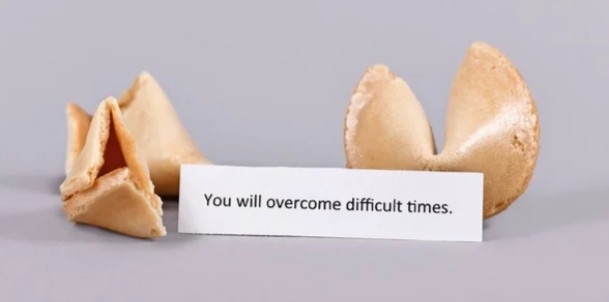
    Life is not always a bed of roses. We all experience difficult times at some point in our lives. These challenging moments can come in many forms – from financial struggles and relationship problems to health issues and failure. While these times may seem unbearable and never-ending, it is important to remember that they are an essential part of the human experience.

    Difficult times are important in life because they teach us valuable lessons that we would not learn otherwise. These experiences force us to confront our weaknesses, face our fears, and tap into our inner strength. Adversity pushes us out of our comfort zones and forces us to grow and evolve as individuals.

    Moreover, going through tough times helps us develop resilience and coping mechanisms that will serve us well in the future. It is during these challenging moments that we discover our true capabilities and realize that we are stronger and more resilient than we ever thought possible. Difficult times also help us appreciate the good times and the beauty in life, as we learn to be grateful for what we have and not take things for granted.

    Additionally, difficult times provide us with an opportunity for self-reflection and self-discovery. When we are faced with adversity, we are forced to re-evaluate our priorities, beliefs, and values. We may discover hidden talents, passions, or strengths that we never knew we had. These challenges can also lead to personal growth and a deeper understanding of ourselves.

    Furthermore, difficult times can strengthen our relationships with others. When we are going through a tough time, we often need the support and encouragement of our loved ones. These challenging moments can bring people closer together and foster a sense of unity and connection.

    Therefore, difficult times are an inevitable part of life that we all must face. While they may be painful and challenging, they are also important and necessary for our personal growth and development. Embracing difficult times with a positive mindset and a willingness to learn and grow can lead to transformation and resilience. Remember, tough times don’t last, but tough people do.

    Why spending time alone is important?

    Things that hold power over our mind

    things that hold power over our mind

    Our minds are incredibly powerful tools, capable of processing vast amounts of information and navigating complex decision-making processes. However, there are certain things that can hold power over our minds and influence our thoughts and behaviors. From external influences such as social media and advertising to internal factors like emotions and beliefs, these forces can shape our perceptions and impact our actions.

    One of the most potent influences on our minds is external messaging, such as advertising and media. Companies spend billions of dollars each year to create advertisements that appeal to our emotions and desires. They often use sleek visuals and catchy slogans to capture our attention. These messages can be incredibly persuasive, shaping our preferences and behaviors without us even realizing it. Whether it’s the latest smartphone or fashion trend, these external influences can hold significant power over our minds and influence our decision-making process.

    Social media is another powerful force that can impact our thoughts and behaviors. With the rise of platforms like Instagram, Facebook, and TikTok, we are constantly bombarded with images and updates from our peers and influencers. These platforms can create feelings of envy and inadequacy. It leads us to compare ourselves to others and seek validation through likes and comments. Social media can also contribute to the spread of misinformation and polarizing content. It shapes our beliefs and perceptions of the world around us.

    Emotions are another factor that hold power over our minds, influencing our thoughts and actions in profound ways. From fear and anger to joy and love, our emotions can significantly impact how we perceive and respond to the world around us. Emotions can cloud our judgment and lead us to make irrational decisions, often based on impulse rather than logic. Learning to control our emotions and cultivate emotional intelligence is crucial for maintaining mental clarity and making sound decisions.

    Beliefs and ideologies can also hold power over our minds, shaping our perceptions and influencing our values and behaviors. Whether it’s religious beliefs, political ideologies, or cultural norms, our beliefs can profoundly impact how we view the world and interact with others. These beliefs can be deeply ingrained and difficult to change, often influencing our thoughts and actions in subtle ways.

    Therefore, there are a variety of factors that hold power over our minds, shaping our thoughts and influencing our behaviors. From external influences like advertising and social media to internal factors like emotions and beliefs. These forces can impact how we perceive the world and make decisions. It is essential to be mindful of these influences and take steps to cultivate mental clarity and emotional intelligence in order to maintain control over our minds.

    How to clear your mind from overthinking

    How to have a growth mindset in life?

    how to have a growth mindset in life

    Life is full of challenges and obstacles, which can sometimes make us feel stuck or demotivated. However, cultivating a growth mindset can be a game-changer in how we approach and overcome these difficulties. By embracing a growth mindset, we can develop resilience, unleash our full potential, and create a more fulfilling life.

    What is a growth mindset? Growth mindset is the belief that our abilities and intelligence are not fixed traits but can be developed through dedication, hard work, and a willingness to learn from failure. On the other hand, having a fixed mindset means believing that our qualities and talents are set in stone.

    So, how can we foster a growth mindset in our everyday lives? Here are some key strategies:

    1. Embrace challenges

    Rather than shying away from challenges, embrace them as opportunities for growth. View them as a chance to learn, improve, and develop new skills. When faced with a difficult task, remind yourself that you have the capacity to grow and that setbacks are just part of the learning process.

    2. Cultivate a love for learning

    Approach life with curiosity and a hunger for knowledge. Seek out new experiences, expand your skill set, and never stop learning. Develop a strong drive to continuously develop and improve yourself. Remember, growth comes through effort and persevering through obstacles.

    3. View failures as learning opportunities

    Instead of being discouraged by failure, see it as a stepping stone towards success. Understand that failing is not a reflection of your abilities, but rather an indication that you are pushing your limits and gaining valuable experience. Learn from your mistakes, adjust your strategies, and keep moving forward.

    4. Shift your perspective on criticism

    Rather than being defensive or avoiding criticism, embrace it as a chance to grow and improve. See feedback as valuable insights that can help you identify areas for development. Appreciate constructive criticism and turn it into a catalyst for self-improvement.

    5. Surround yourself with positive influences

    The company we keep greatly influences our mindset. Therefore, surround yourself with individuals who have a growth mindset and are supportive of your aspirations. Their encouragement, advice, and shared experiences can reinforce your own growth mindset and motivate you to reach new heights.

    6. Focus on the process, not just the outcome

    While it is important to have goals, a growth mindset places emphasis on the process rather than solely fixating on the end result. Enjoy and appreciate the journey towards your goals, learning from every step along the way. Celebrate small victories and milestones, and appreciate the progress you make, even if it’s not always perfect or immediate.

    7. Believe in your ability to change and grow

    Have confidence in your potential to continuously evolve and improve. Understand that your abilities are not fixed, but rather expandable with effort and dedication. Trust in your resilience and capacity to adapt to changing circumstances.

    Therefore, nurturing a growth mindset can significantly impact how we approach life’s challenges and opportunities. By viewing obstacles as opportunities for growth, embracing failure as a chance to learn, and surrounding ourselves with positive influences, we can unlock our full potential and achieve personal fulfillment. Remember, no matter where you are in life, growth is always possible if you have the right mindset.

    How our mindset makes a big difference in life

    How our mindset makes a big difference in life

    how our mindset makes a big difference in life

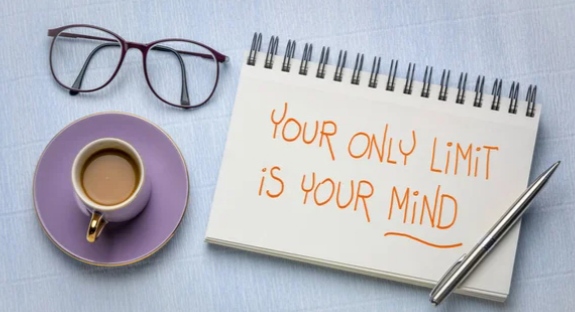
    Our mindset is an integral part of our being. It is the foundation of our thoughts, emotions, and actions which ultimately determines the trajectory of our life. Our mindset has the power to either make or break our success, happiness, and overall well-being. It can make a huge impact on our life situations.

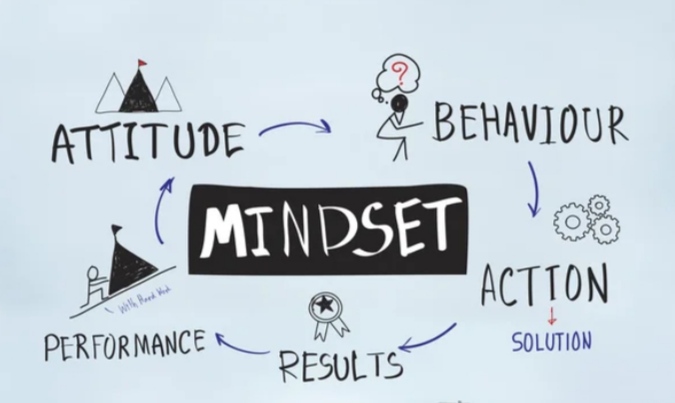
    The way we think about ourselves, others, and the world around us greatly influences our behaviour. Research studies have shown that people who have a positive and growth-oriented mindset tend to be more successful in their personal and professional lives. They are more resilient, adaptable and able to face challenges and setbacks with an optimistic outlook. Their mindset helps them to see opportunities instead of obstacles, and stay motivated in pursuit of their goals.

    On the other hand, people with a fixed or negative mindset tend to struggle with self-doubt, fear, and lack of confidence. They often give up easily when faced with obstacles and setbacks, and may suffer from feelings of hopelessness and despair. Their mindset limits their potential and hinders their ability to achieve their goals.

    Our mindset can also affect the way we perceive and interact with others. People who have a positive, growth-oriented mindset tend to be more compassionate, understanding and empathetic towards others. They are better able to build meaningful relationships and are more successful in social situations. Conversely, people with a fixed or negative mindset may struggle to connect with others, and may often come across as distant and unapproachable.

    The mind is more powerful than you realize

    How to change from fixed to growth-oriented mindset

    The good news is that our mindset is not fixed and can be changed with effort and persistence. By becoming more aware of our thoughts and beliefs, and actively challenging negative and limiting self-talk, we can slowly transform our mindset to one that is more growth-oriented and positive.

    One effective way to shift our mindset is by developing a daily gratitude practice. This involves taking a few minutes each day to reflect on the things we are thankful for in our life. By focusing on the positive aspects of our life, we begin to rewire our brain to see the good in everything, and this can have a cascading effect on our attitudes and behaviours.

    Another effective way to develop a growth-oriented mindset is by setting goals and taking action towards them. When we have clear goals to work towards, we become more focused, motivated, and disciplined. We learn to embrace challenges and setbacks as opportunities for growth, rather than seeing them as limitations or failures.

    Therefore, our mindset plays a crucial role in shaping the quality of our life. By developing a positive and growth-oriented mindset, we can increase our chances of success, happiness and overall well-being. It may take time and effort to shift our mindset, but with consistent practice and persistence, it is possible to transform the way we think and ultimately, transform our life.

    Which is better: active money or passive money