Persistence is important in life

Persistence is a key trait that can lead to success in various areas of life. Persistence plays a crucial role in making progress and ultimately reaching one’s desired outcome. Whether its in achieving personal goals, advancing in a career, or overcoming obstacles,

In pursuing any goal, setbacks and challenges are inevitable. It is often not a smooth journey, and one may face obstacles that test their determination and perseverance. It is during these difficult times that persistence is crucial. Without it, many individuals may give up at the first sign of difficulty, preventing them from ultimately achieving success.

Why persistence is important?

Persistence is about having the courage and determination to keep going, even when the odds are stacked against you. It involves not giving up when faced with failures or setbacks, but rather using them as learning opportunities.. This resilience is what sets successful individuals apart from those who stagnate or give up on their dreams.

In the realm of personal goals, persistence is essential for achieving long-term success. Whether it be committing to a new exercise routine, learning a new skill, or making positive lifestyle changes, the ability to stay consistent and persist through challenges is what ultimately leads to desired outcomes. It is the small, daily actions taken consistently over time that add up to significant progress and results.

Persistence can also be the key to climbing the corporate ladder or achieving success in one’s career. Those who are persistent in their pursuit of excellence, who push through challenges and setbacks, are often the ones who are noticed and rewarded for their dedication and hard work. Whether it be in pursuing a promotion, launching a new business venture, or overcoming obstacles in the workplace, persistence is what sets individuals apart and propels them towards success.

Overall, persistence is a valuable trait that can lead to great achievements in various aspects of life. It is the driving force behind progress and success, and it is essential for overcoming challenges, realizing goals, and ultimately living a fulfilling and successful life. So, next time you face a setback or obstacle, remember the importance of persistence and use it as motivation to keep pushing forward towards your dreams and goals.

How to have a growth mindset in life?

Difficult times are important in life

difficult times are important in life

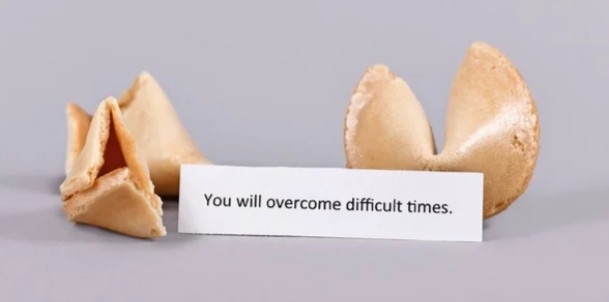
Life is not always a bed of roses. We all experience difficult times at some point in our lives. These challenging moments can come in many forms – from financial struggles and relationship problems to health issues and failure. While these times may seem unbearable and never-ending, it is important to remember that they are an essential part of the human experience.

Difficult times are important in life because they teach us valuable lessons that we would not learn otherwise. These experiences force us to confront our weaknesses, face our fears, and tap into our inner strength. Adversity pushes us out of our comfort zones and forces us to grow and evolve as individuals.

Moreover, going through tough times helps us develop resilience and coping mechanisms that will serve us well in the future. It is during these challenging moments that we discover our true capabilities and realize that we are stronger and more resilient than we ever thought possible. Difficult times also help us appreciate the good times and the beauty in life, as we learn to be grateful for what we have and not take things for granted.

Additionally, difficult times provide us with an opportunity for self-reflection and self-discovery. When we are faced with adversity, we are forced to re-evaluate our priorities, beliefs, and values. We may discover hidden talents, passions, or strengths that we never knew we had. These challenges can also lead to personal growth and a deeper understanding of ourselves.

Furthermore, difficult times can strengthen our relationships with others. When we are going through a tough time, we often need the support and encouragement of our loved ones. These challenging moments can bring people closer together and foster a sense of unity and connection.

Therefore, difficult times are an inevitable part of life that we all must face. While they may be painful and challenging, they are also important and necessary for our personal growth and development. Embracing difficult times with a positive mindset and a willingness to learn and grow can lead to transformation and resilience. Remember, tough times don’t last, but tough people do.

Why spending time alone is important?

How to have a growth mindset in life?

how to have a growth mindset in life

Life is full of challenges and obstacles, which can sometimes make us feel stuck or demotivated. However, cultivating a growth mindset can be a game-changer in how we approach and overcome these difficulties. By embracing a growth mindset, we can develop resilience, unleash our full potential, and create a more fulfilling life.

What is a growth mindset? Growth mindset is the belief that our abilities and intelligence are not fixed traits but can be developed through dedication, hard work, and a willingness to learn from failure. On the other hand, having a fixed mindset means believing that our qualities and talents are set in stone.

So, how can we foster a growth mindset in our everyday lives? Here are some key strategies:

1. Embrace challenges

Rather than shying away from challenges, embrace them as opportunities for growth. View them as a chance to learn, improve, and develop new skills. When faced with a difficult task, remind yourself that you have the capacity to grow and that setbacks are just part of the learning process.

2. Cultivate a love for learning

Approach life with curiosity and a hunger for knowledge. Seek out new experiences, expand your skill set, and never stop learning. Develop a strong drive to continuously develop and improve yourself. Remember, growth comes through effort and persevering through obstacles.

3. View failures as learning opportunities

Instead of being discouraged by failure, see it as a stepping stone towards success. Understand that failing is not a reflection of your abilities, but rather an indication that you are pushing your limits and gaining valuable experience. Learn from your mistakes, adjust your strategies, and keep moving forward.

4. Shift your perspective on criticism

Rather than being defensive or avoiding criticism, embrace it as a chance to grow and improve. See feedback as valuable insights that can help you identify areas for development. Appreciate constructive criticism and turn it into a catalyst for self-improvement.

5. Surround yourself with positive influences

The company we keep greatly influences our mindset. Therefore, surround yourself with individuals who have a growth mindset and are supportive of your aspirations. Their encouragement, advice, and shared experiences can reinforce your own growth mindset and motivate you to reach new heights.

6. Focus on the process, not just the outcome

While it is important to have goals, a growth mindset places emphasis on the process rather than solely fixating on the end result. Enjoy and appreciate the journey towards your goals, learning from every step along the way. Celebrate small victories and milestones, and appreciate the progress you make, even if it’s not always perfect or immediate.

7. Believe in your ability to change and grow

Have confidence in your potential to continuously evolve and improve. Understand that your abilities are not fixed, but rather expandable with effort and dedication. Trust in your resilience and capacity to adapt to changing circumstances.

Therefore, nurturing a growth mindset can significantly impact how we approach life’s challenges and opportunities. By viewing obstacles as opportunities for growth, embracing failure as a chance to learn, and surrounding ourselves with positive influences, we can unlock our full potential and achieve personal fulfillment. Remember, no matter where you are in life, growth is always possible if you have the right mindset.

How our mindset makes a big difference in life

Why do we love to engage in gossip?

why do we love to engage in gossip

Gossip is a prevalent and often controversial social activity that transcends cultures and generations. It serves as a way for individuals to exchange stories or share information about others, often relating to their personal lives or behavior. Whether around a campfire or in today’s digital age, we seem to innately crave information about others. But why, exactly, do we love to engage in gossip? This article aims to explore the intriguing nature of gossip and why we have an inclination to engage in it.

The Evolutionary Perspective

From an evolutionary standpoint, gossip can be seen as a survival tool deeply rooted in human nature. It allowed our ancestors to exchange essential information related to their social environment. By sharing stories and observations about individuals within their community or group, they were able to build trust, navigate potential threats, and make informed decisions for the group’s benefit.

Building Social Bonds

One reason we love to engage in gossip is to develop and strengthen social bonds. Human beings are inherently social creatures who rely heavily on relationships for their emotional well-being. Engaging in gossip fosters a sense of connection, as it creates common points of interest and shared experiences. In a way, gossip serves as a social lubricant, enabling individuals to relate to one another, form alliances, and gain social support.

Creating an In-group vs Out-group Dynamic

Gossip can also perpetuate an in-group versus out-group mentality, reinforcing social hierarchies. Sharing negative information about others can enhance group cohesion by aligning individuals against a common target. This behavior can provide a sense of belonging and identity within the group, as well as elevate one’s own status within the social hierarchy. However, it is essential to note that such gossip can be damaging, leading to exclusion, judgment, and even psychological harm.

Curiosity and Entertainment

Human beings have an undeniable curiosity about the lives and behaviors of others. Gossip satisfies this curiosity by providing insights into the private lives of individuals, making it an intriguing and entertaining activity. It offers a form of escapism. It allows individuals to momentarily step away from their own lives and immerse themselves in the affairs of others. This form of entertainment can be light-hearted, generating laughter or amusement, but it can also foster a sense of superiority.

Validation and Reaffirmation

Sharing gossip can provide individuals with a sense of validation and reaffirm pre-existing beliefs or opinions. When someone hears gossip that aligns with their own judgments or biases, it can reinforce their impressions and provide a sense of confirmation. Additionally, gossip can allow individuals to acquire information about how others are perceived, thus indirectly shaping their own social judgments..

Gossip has been an integral part of human society for countless generations, serving various psychological, social, and evolutionary functions. While it has its pitfalls, such as the potential for harm and the spread of misinformation, gossip can also foster social bonds. It can satisfy our curiosity, establish hierarchies, and offer a release for our emotions.

Understanding the underlying motivations for our love to engage in gossip can help us navigate its effects more consciously and responsibly. Therefore, We must be mindful to strike a balance between satisfying our innate inclination towards gossip and ensuring we maintain healthy, respectful relationships with others.

You have to be your own critic in life

How far are you from the life you imagined?

how far are you from the life you imagined

Life is a vast canvas, and each of us holds a unique vision for how we want to paint it. From an early age, we start dreaming of the life we imagine for ourselves—a life filled with joy, success, and fulfillment. However, as we grow older and face the complexities of reality, our imagined life often becomes obscured. We find ourselves wondering just how far we have strayed from our initial vision.

It is inherent to the human experience to occasionally question our progress and compare it with the image we had engrained in our minds. Some may find themselves content, having successfully orchestrated their ideal existence, while others may feel a deep sense of longing. Hence, the distance between reality and the life we imagined can be a source of inspiration, motivation, or even frustration.

How to determine how far we are from the life we imagined?

To begin, it is essential to understand that life rarely unfolds as neatly as we envision it. The journey towards our dreams is often marked by unexpected twists, turns, and detours. It is these unforeseen circumstances that challenge us to adapt, grow, and evolve. Instead of fixating on the gap between reality and our imagined life, we must embrace the inherent unpredictability and learn to navigate through it.

Assessing the distance between reality and our ideal life requires honest introspection. We need to evaluate various aspects of our lives and compare them to our original vision. Consider your career—is it aligned with your passions and aspirations? Are you working towards a purpose that resonates with your true self? Reflecting on your relationships, do they bring you joy, support, and connection? Additionally, analyze your personal growth, well-being, and the alignment between your values and actions. This self-reflection will serve as a compass in order to guide you how far you are from your envisioned life.

How to bridge the gap between current reality and envisioned livelihood?

Once you have identified the gaps, it is crucial to cultivate a mindset of gratitude and celebrate the progress you have made thus far. Acknowledge the achievements, both big and small, that have brought you closer to your ideal life. Often, in our pursuit of success, we neglect to appreciate the milestones we have already accomplished. Gratitude serves as a powerful motivator, reminding us of all the experiences, learnings, and strengths we have gained along the way.

Moreover, to bridge the distance between reality and the life we imagined, we must set specific, realistic goals to work towards. Break down your vision into actionable steps, creating a clear roadmap that leads you closer to your desired destination. By setting attainable goals, you create a sense of purpose and direction, allowing you to take deliberate steps forward.

Embrace the importance of resilience and fortitude throughout this journey. It is inevitable that obstacles will arise, and setbacks will occur. However, it is how we respond to these challenges that ultimately defines our success. Cultivate a mindset of perseverance and adaptability, learning from every setback and using it as an opportunity for growth.

Lastly, remember that the livelihood we imagined is not a static entity. It evolves and transforms as we do. As we gain wisdom, experience, and self-awareness, our vision might change. Embrace the fluidity of life and be open to the possibilities that emerge along the way. Adjust your expectations, embrace uncertainty, and allow for spontaneity.

Conclusion

In conclusion, the distance between reality and the life we imagined is subjective and unique to each individual. It is a multifaceted exploration that demands self-reflection, gratitude, goal-setting, resilience, and adaptability. Do not despair if you feel far from your initial vision, for the journey itself holds invaluable lessons and growth. As you navigate through life, be kind to yourself, celebrate your progress, and remember that the beauty lies not only in reaching your destination but also in the transformation that occurs along the way.

Embracing life with its unexpected turns

You have to be your own critic in life

you have to be your own critic in life

In life, we often encounter various challenges, obstacles, and decisions that require us to evaluate ourselves and our actions. While external feedback can be helpful, it is crucial to be your own critic. Being able to objectively assess your thoughts, behaviors, and ambitions leads to personal growth, improvement, and ultimately, success.

To be your own critic means to develop the ability to look at yourself and your actions from an impartial standpoint. It involves analyzing your strengths, weaknesses, mistakes, and successes. By doing so, you gain the power to make better choices and continuously improve on your actions.

Why you should be your own critic?

One major advantage of being your own critic is the sense of self-awareness it brings. By engaging in introspection and reflection, you gain in-depth knowledge about who you are, what you believe in, and what you stand for. This self-awareness allows you to align your actions with your values and principles, ultimately leading to a more fulfilling and purpose-driven life.

Being your own critic also helps you identify areas for growth and improvement. We all have flaws and make mistakes; however, accepting and acknowledging them is the first step towards self-improvement. When you critique yourself, you can objectively evaluate your performance, recognize where you went wrong, and focus on finding solutions or alternatives. This mindset encourages self-development, both personally and professionally.

Also, relying solely on external feedback can sometimes be unreliable. People have their own biases, perspectives, and personal agendas that may color their judgments. Seeking exclusively external validation may lead to dependence on others for approval, which can hinder personal growth and independence. Therefore, becoming your own critic provides a more reliable and authentic evaluation of your actions.

Things to remember while critiquing yourself

It is important to remember that being your own critic does not mean being overly harsh or critical. Rather, it means cultivating a healthy level of self-accountability and constructive criticism. It is essential to strike a balance between recognizing your achievements and acknowledging your areas for improvement. This approach helps maintain motivation, self-esteem, and resilience.

To effectively become your own critic, it is beneficial to develop certain habits and practices. Regularly setting goals and periodically reviewing your progress is vital; this allows you to assess your actions and make necessary adjustments. Journaling is another powerful technique, enabling you to reflect on your experiences, emotions, and thoughts. Seeking different perspectives on your decisions and actions can also provide valuable insights.

Therefore, being your own critic is an invaluable skill that promotes self-awareness, personal growth, and success. By objectively evaluating yourself, identifying areas for improvement, and aligning your actions with your values, you can continuously evolve and become the best version of yourself. Remember, nobody knows you better than yourself, and acknowledging your flaws and strengths is the first step towards achieving greatness. So, embrace the power of self-critique, and watch yourself thrive.

Change is the only constant in life

The illusion of choice in life

the illusion of choices in life

Every day, we are bombarded with countless choices in life. From what brand of toothpaste to use to which political candidate to support. We take pride in our ability to make these choices, believing that we have the autonomy to shape our own lives. However, beneath the surface, lies what can be called the “illusion of choice” – the idea that our decisions are limited by societal constructs and external influences.

Consumerism, one of the pillars of modern society, is particularly adept at creating this illusion. We are offered a seemingly endless array of products and services. Each claiming to be unique and essential to our lives. Whether it’s clothing, technology, or even food choices, we are led to believe that each selection is an expression of our individuality. In reality, many of these choices are predetermined by powerful marketing campaigns, trends, and social expectations.

How the illusion of choice is created

Consider the fashion industry, for instance. Every season, designers present new collections, making slight variations to existing styles and re-branding them as the latest trends. We are convinced that we must follow these trends to be fashionable, even if it means discarding perfectly functional clothes. Our choices are shaped by an industry that profits from our constant pursuit of something new.

Similarly, the media plays a significant role in life in shaping our perception of choice. We are presented with a barrage of information, constantly bombarded with news, opinions, and advertisements. However, our choices are often confined to what is presented to us. Biased reporting, sensationalism, and carefully crafted narratives often manipulate our understanding of events. It leads to limited options for forming opinions and making decisions.

Even in the realm of politics, which should embody the essence of collective choice, the illusion is ever-present. Political parties and candidates offer platforms that promise change, progress, and representation. However, behind the scenes, financial interests, lobbying groups, and hidden agendas often limit the choices available to the electorate. We believe we are choosing between two opposing ideologies, yet the options themselves are shaped by a select few who hold significant power.

Break free from the illusion of choice

Breaking free from the illusion of choice requires an awareness of the underlying mechanisms that influence our decisions. Recognizing the societal constructs that limit our options is the first step towards reclaiming our autonomy. It involves questioning the narratives presented to us, examining the motivations behind the choices offered, and actively seeking alternative perspectives.

We must also resist the pressure to conform and define our value based on the products we consume or the trends we follow. True freedom exists when we make choices based on our own values and desires, rather than societal expectations. By critically evaluating the options presented to us, we can uncover the facade of choice and forge a path that aligns with our true selves.

It is crucial to remember that the illusion of choice doesn’t imply that our decisions have no impact in life. Every choice we make, regardless of the constraints imposed upon us, has the potential to shape our lives and influence the world around us. By embracing our agency and making conscious, informed decisions, we can challenge the illusion and contribute to a society where true choice exists.

The illusion of choice permeates our lives, casting a shadow over our ability to make autonomous decisions. While society may present us with an overwhelming number of options, many are predetermined, biased, or confining. Breaking free from this illusion requires critical thinking, self-reflection, and a commitment to making choices. Choices that align with our true values. Only by shedding the constraints of societal constructs can we step into the realm of authentic choice and forge our own paths.

How failures shape your life

Change is the only constant in life

change is the only constant in life

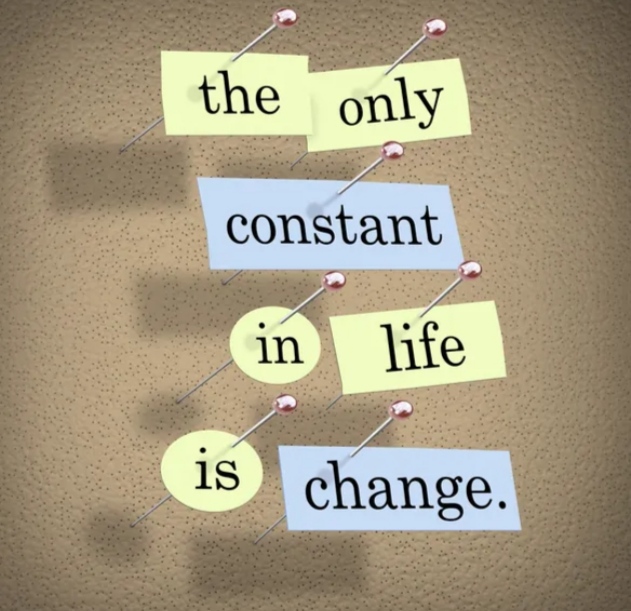
The ancient Greek philosopher Heraclitus once said, “The only constant in life is change.” This profound statement holds true even in our modern, fast-paced world. Change is an inherent part of our existence, shaping our life experiences and influencing our personal growth.

From the moment we are born, our journey through life is marked by an ever-changing landscape. We grow physically, mentally, and emotionally. We transition from childhood to adulthood, adapting to new responsibilities along the way. Relationships evolve, careers take unexpected turns, and the world around us transforms with each passing moment. Change is unavoidable, and if we embrace it, it can lead to personal development and a more fulfilling life.

The world around us is in constant state of flux,and it is essential to acknowledge this reality. Embracing change can be challenging, as we often find comfort in familiarity and the stability of routine. However, resisting it ultimately leads to stagnation. It is through change that we discover new opportunities, develop resilience, and learn valuable life lessons. It forces us to step outside our comfort zone, pushing us to explore new perspectives and approaches.

The mind is more powerful than you realize

Embrace the change

One of the most significant ways change impacts us is through personal growth. It forces us to confront our fears, break free from limiting beliefs, and redefine ourselves. We may face challenges and obstacles that test our character, but through these experiences, we evolve into stronger, more resilient individuals. It encourages us to embrace our potential and push our boundaries, helping us to discover hidden talents and strengths we may never have known existed.

Change also teaches us valuable life lessons. As we navigate through different phases of life, we encounter various situations that broaden our understanding and shape our worldview. Each obstacle we overcome and each experience we encounter adds depth and richness to our lives. Embracing it allows us to adapt and learn, enabling personal growth and inspiring us to become better versions of ourselves.

To thrive in the face of change, we must cultivate adaptability. This means being open to new possibilities, embracing challenges, and remaining flexible in our thinking. In doing so, we foster a mindset that welcomes transformation, making it an ally rather than an adversary. Instead of being swept away by the currents of modification, we can learn to ride its waves and harness its power for our benefit.

While change may be unavoidable, it is not something to be feared. Rather, it is an opportunity for growth and self-discovery. By embracing it, we can transform our lives, achieve our goals, and ultimately find fulfillment and happiness. Change is, indeed, the only constant in life, and it is up to us to make the most of it.

Embracing life with its unexpected turns

How failures shape your life

how failures shape your life

Failure is often seen as something negative, a setback that can leave us feeling defeated and discouraged. However, failures can be the catalyst for personal growth and self-improvement. They have the power to shape our lives in profound and unexpected ways. Throughout history, many successful individuals have credited their failures as the key to their achievements. In fact, failures can serve as valuable life lessons, providing us with the necessary experience and resilience to overcome obstacles and eventually succeed.

One way in which failures shape our lives is by teaching us important lessons. Each failure offers an opportunity for reflection and self-analysis. By analyzing what went wrong, we can identify our weaknesses, areas that require improvement, and develop strategies to enhance our abilities. This introspection helps us to understand our limitations and push ourselves further, ultimately leading to personal development. Failure forces us to confront our flaws, encourage resilience, determination, and perseverance in the face of difficult situation.

Failures also introduce us to the concept of risk-taking. Stepping out of our comfort zone is often the only way to achieve our dreams and ambitions. Failures teach us that success is not guaranteed, but it is worth the risk. They teach us to be fearless and embrace uncertainty. Successful people understand that failure is not the opposite of success but rather an integral part of it. By taking risks and accepting the possibility of failure, we learn that setbacks are not permanent roadblocks but stepping stones toward our goals.

Your mistakes do not define you

Failures inspire innovation and creativity

When faced with failure, we are forced to think outside the box, and explore different approaches. It encourages us to experiment and adapt to new circumstances and encourage problem-solving skills. Failures often prompt individuals to look for alternative paths, leading to the discovery of breakthrough ideas. Many inventions and scientific discoveries are the result of failures and the subsequent determination to find a better solution.

Failures also provide an opportunity to re-evaluate our priorities and goals. They challenge us to question our existing beliefs and values, enabling personal growth and self-discovery. Through failures, we learn the importance of aligning our goals with our passions and values. They help us reassess our choices, redirect our efforts, and pursue fulfilling paths that lead to long-lasting happiness and satisfaction.

Hence, failures are not something to be feared but rather embraced. They shape our lives by teaching important lessons, encouraging resilience and determination, inspiring innovation, and encouraging us to re-evaluate our priorities. By re-framing our perspective on failures, we can harness their power to drive us towards personal growth and success. Remember, great accomplishments often emerge from the ashes of failure. In order to become successful you have to embrace your failures.

The success in your mind

Stillness is important in life

stillness is important in life

In this fast-paced modern world, it is easy to overlook the importance of stillness in our lives. We are constantly bombarded with distractions, demands, and notifications that keep us in an endless state of busyness. However, taking the time to pause, reflect and embrace stillness in life is more important and essential now than ever before.

Stillness is not merely the absence of movement or noise; it encompasses a calm state of mind, a sense of tranquility, and a momentary break from the chaos of life. While it may seem counter-intuitive, finding time for stillness can lead to increased productivity, mental clarity, and overall well-being.

In a society that glorifies multitasking and constant productivity, we often fall into a trap of busyness. Believing that being constantly in motion equates to success. However, the constant state of busyness can lead to burnout, increased stress levels, and a decline in our mental and physical health.

Why self-awareness is important?

Why stillness is important in life?

By intentionally incorporating moments of stillness into our daily routines, we can create a space to recharge and rejuvenate our minds. It allows us to disconnect from the external world and reconnect with our inner selves. Whether it is through meditation, mindful breathing, or simply taking a walk in nature. Stillness allows us to become present, tune into our emotions, and gain a deeper understanding of ourselves.

Moreover, stillness provides an opportunity for introspection and self-reflection. In the quiet moments of stillness, we can observe our thoughts and feelings without judgment. It is in this space that we can gain clarity, find answers to our questions, and develop a better understanding of our goals, dreams, and aspirations. By regularly immersing ourselves in moments of stillness, we become more attuned to our deepest desires and can align our actions and choices accordingly.

Additionally, stillness offers a chance to cultivate creativity. Creativity often stems from a quiet mind, free from distraction and external noise. It is during these moments that our minds can wander, allowing new ideas to surface and fresh perspectives to emerge. Many great artists, writers, and thinkers throughout history have embraced the power of stillness. Recognizing its importance, because it is in these moments of calm that their best ideas were born.

Why you should embrace the moments of stillness?

Beyond the personal benefits, stillness also helps in making stronger connections with others. When we slow down and listen attentively to another person, we create a space for a meaningful exchange of ideas and emotions. Stillness allows us to be fully present in conversations, recognize the value of active listening, and build deeper connections with those around us.

In a world that continuously demands our attention, deliberately seeking stillness becomes an act of self-care and self-preservation. By prioritizing stillness, we give ourselves permission to pause, recharge, and find balance in our lives. It is through stillness that we can rediscover our true selves, nurture our creativity, and cultivate authentic connections.

So, let us not underestimate the power of stillness. Let us choose to embrace moments of quiet and solitude, for it is in these moments that we find the inspiration, clarity, and peace we seek. Take the time today to pause, exhale, and find stillness amidst the chaos. You may be surprised at the transformative power it holds and how it shapes every aspect of your life.

The value of doing nothing.