Value the time in your hand

value the time in your hand

Time is a precious commodity that should be treasured and respected. It is the one resource that is equal for every individual, regardless of age, gender, or wealth. Yet, many people fail to realize its importance and waste it without any regard for its significance. In today’s fast-paced world, where everything is moving at lightning speed, understanding the true value of time has become more crucial than ever before.

Time is a limited resource, and once it is gone, it can never be recovered. Each day, we are given 24 hours, 1,440 minutes, or 86,400 seconds to utilize however we see fit. The way we manage our time determines our success, happiness, and overall sense of fulfillment in life. It is essential to recognize that wasting even a single moment can have long-lasting consequences.

Valuing time requires discipline, self-control, and a clear understanding of our priorities. It means setting goals and working towards them, knowing that every minute counts. We must be conscious of how we spend our time, whether it is investing it in meaningful endeavors or wasting it on mindless activities that do not contribute to our personal or professional growth.

Procrastination is one of the biggest time-wasters. Putting off tasks until the last minute not only adds unnecessary stress but also robs us of valuable time that could have been better utilized. By prioritizing our responsibilities and tackling them promptly, we can avoid the trap of procrastination and make the most of our time.

To value time also means to be present in the moment. In a world filled with distractions, such as smartphones and social media, it is easy to get caught up in a cycle of constant busyness without truly experiencing life. We must learn to detach ourselves from these distractions and focus on what is truly important – our relationships, personal growth, and well-being. By being fully present and engaged, we can make meaningful connections and create lasting memories.

Also, valuing time means understanding the importance of self-care. Neglecting our physical and mental well-being only leads to burnout and decreased productivity. It is crucial to allocate time for relaxation, exercise, hobbies, and quality time with loved ones. By taking care of ourselves, we can recharge and approach life with renewed energy and enthusiasm.

Therefore, time is a precious gift that should be valued and cherished. It is a limited resource that waits for no one. To make the most of our time, we must prioritize our responsibilities, avoid procrastination, and be present in the moment. By understanding the significance of time and utilizing it wisely, we can achieve success, happiness, and a fulfilling life. Remember, time is the one thing that once lost, can never be regained, so let us make every moment count.

Why do we trade our time with money?

Why its hard to believe in yourself

why its hard to believe in yourself

Believing in oneself is undeniably essential for personal growth, success, and overall happiness. However, for countless individuals, having self-doubt and struggling to foster self-belief can be quite common. Understanding the underlying reasons why it can be hard to believe in yourself is crucial in overcoming these obstacles and unleashing your full potential.

  1. Fear of Failure: One of the primary reasons why it’s hard to believe in yourself is the fear of failure. Often, individuals are afraid of not meeting their own or others’ expectations, leading to self-doubt and a lack of confidence. The possibility of facing setbacks, criticism, or rejection can paralyze their ability to trust in their own capabilities.
  2. Negative Self-Talk and Comparisons: Another contributing factor is negative self-talk and constant comparisons to others. Society’s emphasis on perfectionism and social media’s curated highlight reels can make individuals feel inadequate in comparison. Therefore, the constant urge to measure up to others’ achievements can diminish self-belief, developing a constant cycle of self-doubt and undermining personal value.
  3. Past Experiences and Trauma: Previous experiences of failure, rejections, or trauma can leave lasting scars on an individual’s self-belief. Negative past experiences often sow seeds of doubt and act as a constant reminder of what could potentially go wrong. Rebuilding self-belief becomes incredibly challenging when one is haunted by their past.
  4. External Validation: Relying heavily on external validation is yet another culprit that hampers self-belief. Seeking approval and reassurance from others places the power of self-belief in their hands. The inability to find validation externally can leave individuals feeling powerless and not-confident in their own abilities, preventing them from fully embracing self-belief.
  5. Lack of Supportive Network: Building belief in yourself becomes hard without a supportive network of family, friends, or mentors. Those who lack positive influences or face constant discouragement may find it hard to believe in themselves. A supportive network serves as a foundation for encouraging self-belief, offering guidance, motivation, and constructive feedback.
  6. Imposter Syndrome: Imposter syndrome, a psychological concept, often manifests as a constant fear of being exposed as a fraud. Despite external accomplishments, individuals affected by this syndrome undermine their abilities and attribute their success to luck or circumstances. The feeling of not deserving success can significantly hinder self-belief and lead to a perpetual fear of failure.

Hence, believing in oneself is a journey that requires self-reflection and overcoming various internal and external hurdles. Understanding the reasons why it can be hard to foster self-belief is the first step towards breaking free from the limitations of self-doubt. Overcoming fear of failure, negative self-talk, relying on external validation, past traumas, and cultivating a supportive network are essential components to embarking on a path of self-belief. Remember, realizing one’s true potential begins with trusting in oneself.

Sometimes even your best is not good enough

Is it good to be optimistic all the time

is it good to be optimistic all the time

Optimism is the tendency to expect favorable outcomes in every situation. It is an attitude that focuses on the positive aspects of life and believes that good will eventually prevail. People often admire those who radiate optimism as they seem to effortlessly navigate through life’s challenges with a smile. However, there is an ongoing debate about whether it is good to be optimistic all the time. While there are certainly advantages to being optimistic, there can also be drawbacks that are worth considering.

One of the benefits of being optimistic is the psychological impact it has on an individual. Optimistic people tend to have better mental well-being, increased resilience, and reduced stress levels. They are more likely to have a positive outlook on life, even during trying times. Optimism motivates individuals to maintain hope and actively seek solutions when faced with difficulties. This positive approach can lead to greater perseverance and the ability to bounce back from setbacks.

Furthermore, optimism can have a positive impact on physical health. Studies have shown that optimistic individuals shows better immune response, and experience a less incidence of depression. The power of positive thinking is often associated with better coping mechanisms and improved self-care practices.

How your thoughts make your reality

Why you should not be optimistic all the time

Although optimism has its advantages, there are times when being too optimistic can lead to certain drawbacks. One potential issue is the tendency to overlook or underestimate risks. Optimism can sometimes blind individuals to potential pitfalls and cause them to be unprepared for negative outcomes. While it is important to stay positive, it is good to keep in mind that unfavorable circumstances could arise. Overconfidence resulting from excessive optimism can lead to poor decision-making and unforeseen consequences.

Moreover, constant optimism can sometimes hinder personal growth and learning. Failure is an unavoidable part of life, and an overly optimistic mindset might prevent individuals from accepting and learning from their mistakes. Acknowledging setbacks and developing a balanced perspective can provide valuable insights on how to improve and grow as individuals. Sometimes a dose of realism can help individuals evaluate situations more accurately and make more informed decisions.

Being overly optimistic can lead to a lack of empathy towards others who may be struggling. It is essential to recognize that not everyone has the same circumstances or experiences. Uncontrolled optimism may unintentionally invalidate others’ feelings and difficulties, creating a disconnect in relationships. Striking a balance between optimism and empathy is vital for maintaining strong and meaningful connections with others.

Therefore, while optimism has numerous benefits, it may not always be advantageous to maintain an optimistic mindset at all times. It can lead to overlooking risks, hinder personal growth, and create a lack of empathy. Instead, a balanced approach that includes realistic and empathetic perspectives can help individuals navigate life’s ups and downs more effectively. By acknowledging the importance of both optimism and realism, individuals can make informed decisions, cultivate personal growth, and nurture stronger relationships.

No need to be perfect all the time

no need to be perfect all the time

In today’s society, there is an enormous amount of external pressure to be perfect. Whether it is maintaining an impeccable appearance, excelling in every aspect of life, or achieving an ideal standard of success, there seems to be an unspoken expectation of flawlessness. But the truth is, there is no need to be perfect all the time.

Perfectionism is a notion that can be paralyzing and detrimental to our overall well-being. Constant need to strive for flawlessness often leads to stress, anxiety, and even depression. The constant fear of failure and judgment takes away the joy of living in the present moment and embracing our imperfections.

Pursuing flawlessness is an unattainable goal. No matter how hard we try, it is impossible to be flawless in every aspect of our lives. We are human beings, and it is in our nature to be flawed. The beauty lies not in perfection but in our ability to embrace our flaws and learn from them.

How our mindset makes a big difference in life

Why you should embrace your imperfections

Embracing our flaws allows us to grow and develop as individuals. Mistakes and failures are not signs of inadequacy but are valuable learning experiences. They provide us with opportunities for growth, self-reflection, and self-improvement. By accepting that we are not perfect, we can focus on progress and be kinder to ourselves in the process.

Furthermore, embracing imperfection allows us to connect with others on a deeper level. When we are open about our flaws and vulnerabilities, we create a safe space for others to be their authentic selves. Perfection creates a barrier between people, making it harder to establish genuine and meaningful relationships. It is through our faults and flaws that we can relate, empathize, and support one another.

Contrary to popular belief, flaws does not equate to failure or mediocrity. It is through our flaws that we showcase our uniqueness, creativity, and authenticity. Embracing our flaws allows us to see the beauty in our individuality and to appreciate the diversity that exists in the world.

Being ideal all the time is an exhausting and unproductive endeavor. It places unnecessary pressure on ourselves to conform to societal expectations rather than focusing on what truly matters – our happiness and well-being. Life is a journey filled with ups and downs, successes and failures, and in order to navigate this journey with greater ease and contentment we need to embrace our flaws.

So, let go of the need to be flawless all the time. Embrace your flaws, learn from your mistakes, and celebrate the uniqueness that makes you who you are. Remember, it is in our imperfections that we find our true selves, grow, and connect with others. Life is not about being perfect; it is about being human.

Is it important to know your inner self?

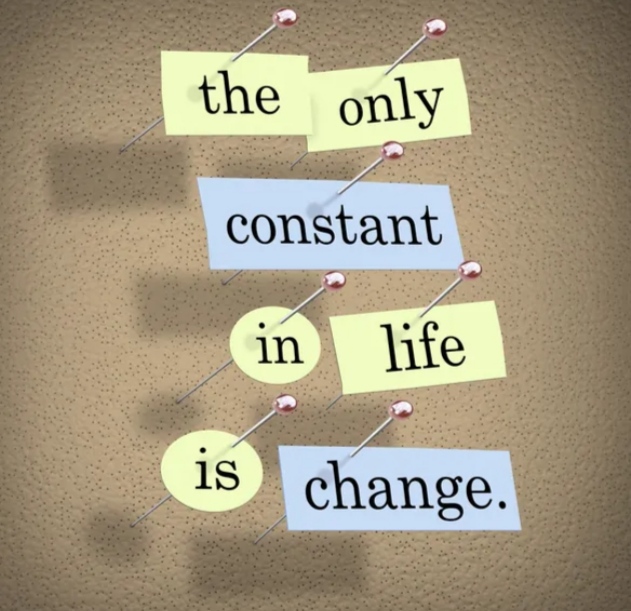
Change is the only constant in life

change is the only constant in life

The ancient Greek philosopher Heraclitus once said, “The only constant in life is change.” This profound statement holds true even in our modern, fast-paced world. Change is an inherent part of our existence, shaping our life experiences and influencing our personal growth.

From the moment we are born, our journey through life is marked by an ever-changing landscape. We grow physically, mentally, and emotionally. We transition from childhood to adulthood, adapting to new responsibilities along the way. Relationships evolve, careers take unexpected turns, and the world around us transforms with each passing moment. Change is unavoidable, and if we embrace it, it can lead to personal development and a more fulfilling life.

The world around us is in constant state of flux,and it is essential to acknowledge this reality. Embracing change can be challenging, as we often find comfort in familiarity and the stability of routine. However, resisting it ultimately leads to stagnation. It is through change that we discover new opportunities, develop resilience, and learn valuable life lessons. It forces us to step outside our comfort zone, pushing us to explore new perspectives and approaches.

The mind is more powerful than you realize

Embrace the change

One of the most significant ways change impacts us is through personal growth. It forces us to confront our fears, break free from limiting beliefs, and redefine ourselves. We may face challenges and obstacles that test our character, but through these experiences, we evolve into stronger, more resilient individuals. It encourages us to embrace our potential and push our boundaries, helping us to discover hidden talents and strengths we may never have known existed.

Change also teaches us valuable life lessons. As we navigate through different phases of life, we encounter various situations that broaden our understanding and shape our worldview. Each obstacle we overcome and each experience we encounter adds depth and richness to our lives. Embracing it allows us to adapt and learn, enabling personal growth and inspiring us to become better versions of ourselves.

To thrive in the face of change, we must cultivate adaptability. This means being open to new possibilities, embracing challenges, and remaining flexible in our thinking. In doing so, we foster a mindset that welcomes transformation, making it an ally rather than an adversary. Instead of being swept away by the currents of modification, we can learn to ride its waves and harness its power for our benefit.

While change may be unavoidable, it is not something to be feared. Rather, it is an opportunity for growth and self-discovery. By embracing it, we can transform our lives, achieve our goals, and ultimately find fulfillment and happiness. Change is, indeed, the only constant in life, and it is up to us to make the most of it.

Embracing life with its unexpected turns

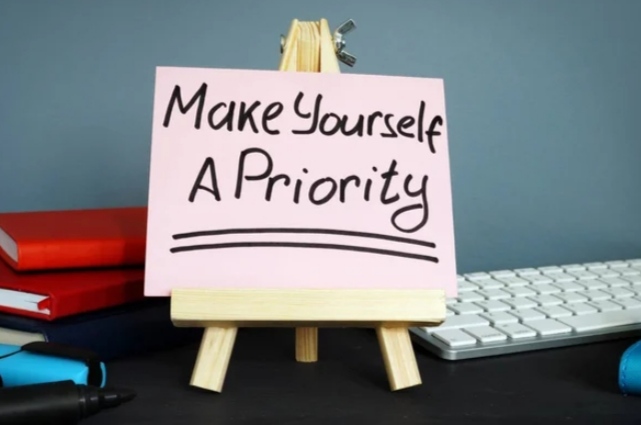
Make yourself your priority

make yourself your priority

In our fast-paced and chaotic lives, it is easy to get caught up in taking care of everyone and everything around us, often forgetting to prioritize our own needs. We juggle work, relationships, bills, and other responsibilities, leaving little time or energy for self-care. However, it is crucial to understand that making yourself a priority is not selfish; it is a fundamental step towards leading a fulfilling and balanced life.

Taking care of yourself is not just a luxury but a necessity. When we neglect our own needs, we become physically, emotionally, and mentally exhausted, which can lead to burnout and even compromising our overall well-being. In order to make yourself your priority you need to take few steps.

How to make yourself a priority

  1. Set boundaries: Establish boundaries with your time and energy. Learn to say ‘no’ to commitments that don’t align with your priorities or values. By doing so, you free up time for yourself and prevent spreading yourself too thin.
  2. Prioritize self-care: Make self-care a non-negotiable part of your routine. Whether it’s practicing mindfulness, exercising, getting enough sleep, or engaging in hobbies, carve out time each day to do something that replenishes your energy and brings you joy.
  3. Practice self-compassion: Treat yourself with kindness and understanding. We often tend to be harder on ourselves than we are with others. Remember that you are only human, and it is okay to make mistakes or have off days. Be gentle, forgive yourself, and practice self-compassion.
  4. Learn to delegate: You don’t have to do everything alone. Delegate tasks to others when possible and ask for help when needed. Recognize that it is not a sign of weakness or inability but a way to lighten your load and create space for self-care.
  5. Cultivate supportive relationships: Surround yourself with people who uplift and support you. Build a network of friends, family, or mentors who value and encourage your well-being. These connections can provide emotional support, guidance, and even help hold you accountable to making yourself a priority.
  6. Set goals and aspirations: When you have clear goals and aspirations, you are more likely to prioritize your own growth and development. Set realistic and achievable goals for different aspects of your life, including personal, professional, and health-related goals. Regularly revisit and reassess these goals to ensure they remain aligned with your priorities.
  7. Practice self-reflection: Take a step back regularly to reflect on your life and priorities. Assess whether you are spending your time and energy in alignment with what truly matters to you. Are there areas where you need to make adjustments? Self-reflection helps you gain clarity and make intentional choices about where to allocate your resources.

Remember, making yourself a priority doesn’t mean neglecting others or your responsibilities. It is about recognizing that you deserve care and attention too. By putting yourself first, you not only improve your own well-being but also enhance your ability to show up fully for others. Therefore, taking care of yourself is not a luxury; it is an act of self-love and a crucial step towards living a fulfilled and balanced life.

Take some time out to reflect on yourself

You are more than your fears

you are more than your fears

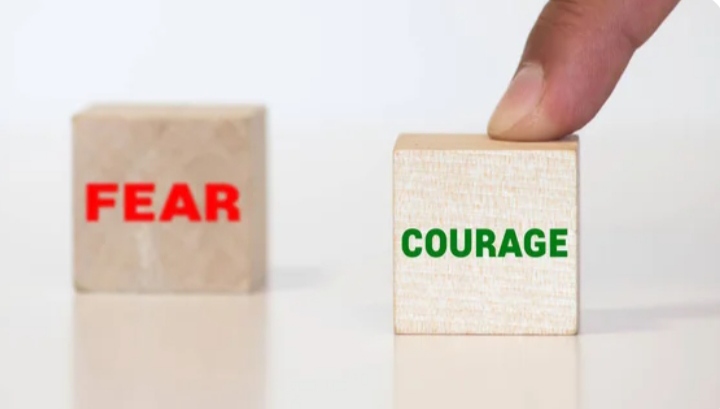
Fear has a way of holding us back. It whispers in our ear, reminding us of our weaknesses and vulnerabilities. It tells us to play it safe, to stick to what we know, and to never take risks. But what if you could rise above your fears? What if you could discover that you are so much more than what your fears allow you to be?

Fear has been a part of the human experience since the beginning of time. It is an instinctual response that served a purpose when our ancestors had to navigate dangerous environments to survive. However, in our modern lives, fear often takes on a different form. It morphs into an internal barrier that prevents us from exploring the world and embracing new opportunities.

The truth is, fear is an illusion. It is a creation of our mind, an exaggerated perception of what might happen. Hence, it is not a reflection of our true capabilities or potential. We are born with infinite possibilities, untapped talents, and boundless creativity.

Every individual has their own set of fears. Some fear failure, rejection, or making mistakes. Others fear the unknown, change, or taking risks. These fears can be paralyzing, preventing us from pursuing our dreams, expressing our true selves, or even forming meaningful connections with others. But this is not who we are.

We are more than our fears, we are resilient, strong, and capable of remarkable achievements. We have the power to face our fears, challenge their validity, and dismantle them. It may not always be easy, but growth rarely happens within our comfort zones.

How our mindset makes a big difference in life

How to overcome your fears

In order to transcend our fears, we must first acknowledge them. What is it that you fear? Identify the exact nature of your fears and confront them. By shining a light on our fears, we can begin to understand them better and realize that they are often based on flimsy foundations.

Next, take small steps towards overcoming your fears. Break down your goals into manageable tasks and gradually build up your confidence. Every little achievement will pave the way for bigger ones, allowing you to confront your fears with increasing strength.

Surround yourself with positive influences and supportive individuals who believe in you. You are not alone in your journey, and the encouragement of others can help you overcome obstacles. Seek out role models who have conquered their own fears, and let their success inspire you.

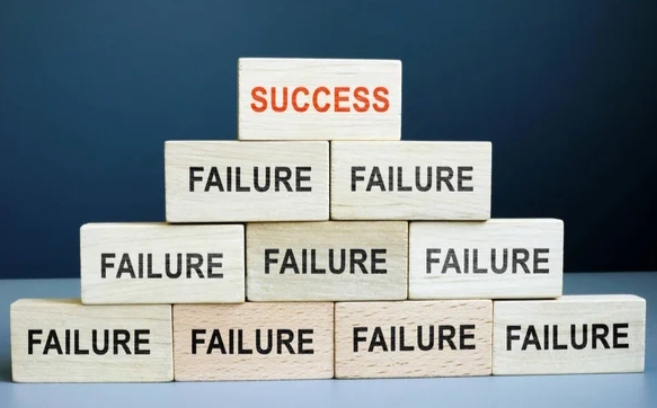
Remember, failure is not the opposite of success; it is an integral part of it. Embrace failure as a learning experience rather than a measure of your worth. Each setback brings new insights and teaches us valuable lessons that help us grow and improve.

Finally, practice self-compassion. Be kind to yourself and give yourself permission to make mistakes. Recognize that perfection is an illusion and that embracing our flaws and vulnerabilities is what makes us human. Therefore, you should celebrate your achievements, no matter how small, and acknowledge the progress you have made.

You are more than your fears. You are capable of remarkable things, and your potential knows no bounds. Embrace the unknown, push beyond your comfort zone, and watch as your fears become stepping stones towards a life filled with purpose, fulfillment, and endless possibilities.

Your mistakes do not define you

How failures shape your life

how failures shape your life

Failure is often seen as something negative, a setback that can leave us feeling defeated and discouraged. However, failures can be the catalyst for personal growth and self-improvement. They have the power to shape our lives in profound and unexpected ways. Throughout history, many successful individuals have credited their failures as the key to their achievements. In fact, failures can serve as valuable life lessons, providing us with the necessary experience and resilience to overcome obstacles and eventually succeed.

One way in which failures shape our lives is by teaching us important lessons. Each failure offers an opportunity for reflection and self-analysis. By analyzing what went wrong, we can identify our weaknesses, areas that require improvement, and develop strategies to enhance our abilities. This introspection helps us to understand our limitations and push ourselves further, ultimately leading to personal development. Failure forces us to confront our flaws, encourage resilience, determination, and perseverance in the face of difficult situation.

Failures also introduce us to the concept of risk-taking. Stepping out of our comfort zone is often the only way to achieve our dreams and ambitions. Failures teach us that success is not guaranteed, but it is worth the risk. They teach us to be fearless and embrace uncertainty. Successful people understand that failure is not the opposite of success but rather an integral part of it. By taking risks and accepting the possibility of failure, we learn that setbacks are not permanent roadblocks but stepping stones toward our goals.

Your mistakes do not define you

Failures inspire innovation and creativity

When faced with failure, we are forced to think outside the box, and explore different approaches. It encourages us to experiment and adapt to new circumstances and encourage problem-solving skills. Failures often prompt individuals to look for alternative paths, leading to the discovery of breakthrough ideas. Many inventions and scientific discoveries are the result of failures and the subsequent determination to find a better solution.

Failures also provide an opportunity to re-evaluate our priorities and goals. They challenge us to question our existing beliefs and values, enabling personal growth and self-discovery. Through failures, we learn the importance of aligning our goals with our passions and values. They help us reassess our choices, redirect our efforts, and pursue fulfilling paths that lead to long-lasting happiness and satisfaction.

Hence, failures are not something to be feared but rather embraced. They shape our lives by teaching important lessons, encouraging resilience and determination, inspiring innovation, and encouraging us to re-evaluate our priorities. By re-framing our perspective on failures, we can harness their power to drive us towards personal growth and success. Remember, great accomplishments often emerge from the ashes of failure. In order to become successful you have to embrace your failures.

The success in your mind

Stillness is important in life

stillness is important in life

In this fast-paced modern world, it is easy to overlook the importance of stillness in our lives. We are constantly bombarded with distractions, demands, and notifications that keep us in an endless state of busyness. However, taking the time to pause, reflect and embrace stillness in life is more important and essential now than ever before.

Stillness is not merely the absence of movement or noise; it encompasses a calm state of mind, a sense of tranquility, and a momentary break from the chaos of life. While it may seem counter-intuitive, finding time for stillness can lead to increased productivity, mental clarity, and overall well-being.

In a society that glorifies multitasking and constant productivity, we often fall into a trap of busyness. Believing that being constantly in motion equates to success. However, the constant state of busyness can lead to burnout, increased stress levels, and a decline in our mental and physical health.

Why self-awareness is important?

Why stillness is important in life?

By intentionally incorporating moments of stillness into our daily routines, we can create a space to recharge and rejuvenate our minds. It allows us to disconnect from the external world and reconnect with our inner selves. Whether it is through meditation, mindful breathing, or simply taking a walk in nature. Stillness allows us to become present, tune into our emotions, and gain a deeper understanding of ourselves.

Moreover, stillness provides an opportunity for introspection and self-reflection. In the quiet moments of stillness, we can observe our thoughts and feelings without judgment. It is in this space that we can gain clarity, find answers to our questions, and develop a better understanding of our goals, dreams, and aspirations. By regularly immersing ourselves in moments of stillness, we become more attuned to our deepest desires and can align our actions and choices accordingly.

Additionally, stillness offers a chance to cultivate creativity. Creativity often stems from a quiet mind, free from distraction and external noise. It is during these moments that our minds can wander, allowing new ideas to surface and fresh perspectives to emerge. Many great artists, writers, and thinkers throughout history have embraced the power of stillness. Recognizing its importance, because it is in these moments of calm that their best ideas were born.

Why you should embrace the moments of stillness?

Beyond the personal benefits, stillness also helps in making stronger connections with others. When we slow down and listen attentively to another person, we create a space for a meaningful exchange of ideas and emotions. Stillness allows us to be fully present in conversations, recognize the value of active listening, and build deeper connections with those around us.

In a world that continuously demands our attention, deliberately seeking stillness becomes an act of self-care and self-preservation. By prioritizing stillness, we give ourselves permission to pause, recharge, and find balance in our lives. It is through stillness that we can rediscover our true selves, nurture our creativity, and cultivate authentic connections.

So, let us not underestimate the power of stillness. Let us choose to embrace moments of quiet and solitude, for it is in these moments that we find the inspiration, clarity, and peace we seek. Take the time today to pause, exhale, and find stillness amidst the chaos. You may be surprised at the transformative power it holds and how it shapes every aspect of your life.

The value of doing nothing.

6 important steps to monetize a blog

6 important steps to monetize a blog

Doing something alongside your job that helps your earn money is your side hustle. There are variety of activities that you can choose to do as your side hustle. One of the biggest reason people decide to do side hustle is to earn money from it. Whether you do your hustle online or offline the primary concern always remains to monetize it and make money from it.

When you choose to do your side hustle online, monetizing it is not as easy as it may look. It can take up to months to make your first income from your side hustle. You have to be consistent with your efforts in order to make money online. There are number of things which you can do and make it your side hustle. You can start a you-tube channel, write a blog, do affiliate marketing, sell your own product online, do online tutorials and many more.

One of the most widely used mean to earn money online is blogging. Thousands of people are earning decent amount through their blogs. It is one of the best ways to earn some extra money for yourself but like any other side hustle it also require your time and effort. There are many ways through which you can earn money from your blog. There are some important things which should be taken care of in order to monetize a blog.

How does a blog make money?

Important steps to monetize a blog

  • First of all as soon as you have created a blog add different pages in it. Your blog must have home page, about page, contact info and most important of all privacy policy page. If you want to monetize your blog then your blog must have adequate privacy policy page.
  • After having all the required pages on your blog download and install the necessary themes and plug-ins. What theme or plug-ins you should have that depends on what kind of blog you want to have and how you want to represent it. Themes and plug-ins help your blog look and perform better which is crucial for monetization process.
  • After setting theme and installing necessary plug-ins write at least 50-60 good posts because you will be able to monetize it only if you have good amount of quality posts on your blog.
  • Write posts on regular intervals because that will help you get regular views and views are the most important thing for monetizing a blog.
  • After writing decent amount of posts make sure that it does not contain any copyrighted image or video. Using an image, video or gif which is copyrighted can be an obstacle in monetizing process.
  • After doing all the necessary things you can monetize your blog in number of ways. You can run ads on it, sell you own product, write sponsored posts, do affiliate marketing through it and many more.

Your blog must be at least 6 months old if you want to apply for google ad-sense. Even if your blog does not get monetized in first attempt do not lose hope. Improve the shortcomings and try again after some time. Hope this was helpful to you and good luck for your blogging.

6 most effective ways to write a better blog