Things that hold power over our mind

things that hold power over our mind

Our minds are incredibly powerful tools, capable of processing vast amounts of information and navigating complex decision-making processes. However, there are certain things that can hold power over our minds and influence our thoughts and behaviors. From external influences such as social media and advertising to internal factors like emotions and beliefs, these forces can shape our perceptions and impact our actions.

One of the most potent influences on our minds is external messaging, such as advertising and media. Companies spend billions of dollars each year to create advertisements that appeal to our emotions and desires. They often use sleek visuals and catchy slogans to capture our attention. These messages can be incredibly persuasive, shaping our preferences and behaviors without us even realizing it. Whether it’s the latest smartphone or fashion trend, these external influences can hold significant power over our minds and influence our decision-making process.

Social media is another powerful force that can impact our thoughts and behaviors. With the rise of platforms like Instagram, Facebook, and TikTok, we are constantly bombarded with images and updates from our peers and influencers. These platforms can create feelings of envy and inadequacy. It leads us to compare ourselves to others and seek validation through likes and comments. Social media can also contribute to the spread of misinformation and polarizing content. It shapes our beliefs and perceptions of the world around us.

Emotions are another factor that hold power over our minds, influencing our thoughts and actions in profound ways. From fear and anger to joy and love, our emotions can significantly impact how we perceive and respond to the world around us. Emotions can cloud our judgment and lead us to make irrational decisions, often based on impulse rather than logic. Learning to control our emotions and cultivate emotional intelligence is crucial for maintaining mental clarity and making sound decisions.

Beliefs and ideologies can also hold power over our minds, shaping our perceptions and influencing our values and behaviors. Whether it’s religious beliefs, political ideologies, or cultural norms, our beliefs can profoundly impact how we view the world and interact with others. These beliefs can be deeply ingrained and difficult to change, often influencing our thoughts and actions in subtle ways.

Therefore, there are a variety of factors that hold power over our minds, shaping our thoughts and influencing our behaviors. From external influences like advertising and social media to internal factors like emotions and beliefs. These forces can impact how we perceive the world and make decisions. It is essential to be mindful of these influences and take steps to cultivate mental clarity and emotional intelligence in order to maintain control over our minds.

How to clear your mind from overthinking

The first step is not always easy

the first step is not always easy

Taking the first step towards a goal or a new venture is often seen as the most difficult part of the journey. It requires courage, determination, and a willingness to step out of one’s comfort zone. The fear of the unknown and the possibility of failure can be paralyzing, making it easy to procrastinate or make excuses for not taking that initial leap.

However, it is important to remember that the first step is not always easy, but it is crucial in order to progress and achieve success. Without taking that first step, we remain stagnant and unable to move forward in our lives. It is the starting point that sets us on a path towards our dreams and aspirations.

Why first step is not easy

Just like a baby learning to walk, the first step may be wobbly and uncertain. There may be stumbles and falls along the way, but it is all part of the learning process. Each step forward brings us closer to our goals and allows us to grow and develop as individuals.

It is natural to feel hesitant or afraid when embarking on something new. The fear of failure or the fear of the unknown can hold us back from taking that first step. However, it is important to push past these fears and doubts in order to experience growth and personal fulfillment.

Taking the first step requires a shift in mindset – a shift from focusing on the potential obstacles and challenges to focusing on the possibilities and opportunities that lie ahead. It is about taking a leap of faith and trusting in oneself and one’s abilities to overcome any obstacles that may come our way.

It is also important to remember that progress is not always linear. There may be setbacks and challenges along the way, but it is important to persevere and stay focused on the end goal. The initial step may be difficult, but with persistence and determination, we can overcome any obstacles and continue moving forward.

Therefore, the first step is not always easy, but it is essential in order to progress and achieve success. It is about pushing past our fears and doubts, and taking a leap of faith towards our goals and aspirations. It is the starting point that sets us on a path towards growth and personal fulfillment. So, take that first step, no matter how daunting it may seem, and trust in yourself and your abilities to navigate the journey ahead.

Failure is the first step towards success

You need to take responsibility of your action

you need to take responsibility of your actions

Taking responsibility for your actions is one of the most important traits a person can possess. It involves owning up to your mistakes, being accountable for your choices, and facing the consequences of your actions. While it may not always be easy or comfortable, taking responsibility is crucial for personal growth, building trust with others, and leading a fulfilling life.

First and foremost, taking responsibility for your actions means acknowledging when you have done something wrong. This may involve admitting mistakes, apologizing to those affected, and making amends to rectify the situation. By taking ownership of your actions, you demonstrate maturity, humility, and integrity. It shows that you are willing to learn from your mistakes and strive to do better in the future.

Furthermore, taking responsibility for your actions helps to build trust and credibility with others. When you are honest about your shortcomings and take steps to correct them, you earn the respect and admiration of those around you. People are more likely to trust and rely on someone who is accountable for their actions, rather than someone who shifts blame or makes excuses. By consistently demonstrating responsibility, you can strengthen your relationships and foster a positive reputation.

In addition, taking responsibility for your actions is essential for personal growth and development. When you own up to your mistakes, you have the opportunity to reflect on what went wrong and how you can do better next time. This self-awareness allows you to learn from your experiences, improve your decision-making skills, and become a more responsible individual. By taking responsibility for your actions, you can become a stronger, more resilient person. A person who is better equipped to navigate life’s challenges.

Finally, taking responsibility for your actions is a key aspect of living a fulfilling and meaningful life. When you accept accountability for your choices, you empower yourself to create the life you desire. By taking ownership of your actions, you take control of your destiny and shape your own future. Rather than being a passive bystander, you become an active participant in your own life. Making conscious choices that align with your values and goals.

Therefore, taking responsibility for your actions is a fundamental aspect of being a responsible, mature, and ethical individual. By owning up to your mistakes, being accountable for your choices, and facing the consequences of your actions, you demonstrate integrity, build trust with others, foster personal growth, and create a more fulfilling life. So next time you find yourself in a difficult situation, remember to take responsibility for your actions – it may be challenging, but the rewards are well worth it.

How to have a growth mindset in life?

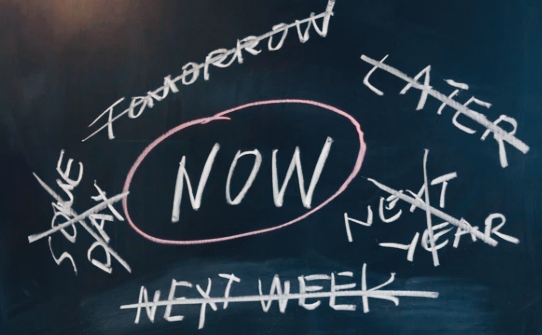
If you are waiting for the right time its now

if you are waiting for the right time its now

There is a popular saying that goes, “Don’t wait for the perfect moment, take the moment and make it perfect”. This sentiment holds true in many aspects of life. But perhaps none more so than when it comes to waiting for the right time to make a change or pursue a dream.

Too often, we find ourselves putting off our goals and aspirations because we think that the timing isn’t quite right. We tell ourselves that we’ll start that new business when the economy is better. We’ll go back to school when we have more money saved up, or we’ll start eating healthier when things settle down at work. The truth is, there will never be a perfect time to make a change or take a leap of faith.

Life is unpredictable and full of uncertainties. Waiting for the right time to make a change is like waiting for the perfect wave to surf – it may never come. Instead of waiting for the stars to align, it’s important to realize that the only time we have is now.

If we keep putting off our dreams and aspirations, we run the risk of never making them a reality. We may continue to come up with excuses or reasons why now isn’t the right time, but deep down we know that we are just delaying our own happiness and success.

So, if you find yourself waiting for the right time to make a change in your life, I urge you to take a step back and consider this: what are you really waiting for? Are you waiting for things to magically fall into place, or are you waiting for the courage to take that first step?

It’s easy to get caught up in the idea that the perfect moment will present itself if we just wait a little longer. But the reality is that the right time may never come unless we create it ourselves. We must take control of our own lives and make the decision to pursue our dreams, no matter what obstacles may stand in our way.

When we let go of the idea that we need to wait for the right moment, we free ourselves from the limitations that hold us back. We give ourselves permission to take risks, to make mistakes, and to learn and grow from our experiences. We become the architects of our own destiny, rather than passive observers waiting for the universe to grant us permission to pursue our dreams.

So, if you are waiting for the right time to make a change in your life, I implore you to consider this: the right time is now. Don’t let fear, doubt, or uncertainty hold you back any longer. Take that first step towards your goals and dreams, and trust that the universe will support you in your journey. The only way to guarantee that the right time is now is to make it so yourself.

Do it now because sometimes ‘later’ never come

Better an ‘oops’ than a ‘what if’

better an oops than a what if

Life is full of uncertainties and unexpected twists and turns. We never know what the future holds or what choices we should make in order to ensure success and happiness. Often, we find ourselves afraid to take risks or make decisions, fearing that we may make a mistake or regret our actions later on. However, it is important to remember that sometimes it is better to say “oops” and learn from our mistakes rather than wonder “what if” and dwell on missed opportunities.

The idea of “better oops than what if” encourages us to embrace the unknown and be willing to take risks. It reminds us that it is better to try and fail than to never try at all. Mistakes are a natural part of the learning process and can often lead to growth and personal development.

When we allow ourselves to make mistakes, we open ourselves up to new opportunities and experiences. We learn more about ourselves and our capabilities, and we become more resilient in the face of challenges. By taking risks and embracing the possibility of failure, we become more confident in our abilities and more willing to step out of our comfort zones.

Why its better to say ‘oops’ than to wonder ‘what if’

Regret is a powerful emotion that can haunt us for years, sometimes even a lifetime. It is the feeling of wishing we had done things differently or taken a different path. Regret stems from a place of uncertainty and fear of failure. We worry that if we make a decision, it may turn out to be the wrong one and we will have to live with the consequences. This fear of failure can paralyze us and prevent us from taking risks or seizing opportunities that come our way.

On the other hand, saying “oops” acknowledges that we are human and bound to make mistakes. It is a sign of humility and acceptance of our imperfections. By admitting our faults and acknowledging our mistakes, we can learn from them and grow as individuals. Making mistakes is a natural part of life and essential for personal growth and development. It is through trial and error that we learn what works and what doesn’t, and how to improve ourselves moving forward.

Saying “oops” also frees us from the burden of regret. It allows us to move on from past mistakes and focus on the present moment. Dwelling on “what if” scenarios only leads to unnecessary stress and anxiety. It keeps us stuck in the past and prevents us from moving forward. By accepting our mistakes and learning from them, we can let go of regrets and live a more fulfilling and satisfying life.

Additionally, saying “oops” opens us up to new opportunities and experiences. It encourages us to take risks and embrace challenges. Knowing that failure is not the end but just a stepping stone towards success. It gives us the courage to try new things and step out of our comfort zones. Knowing that even if we fail, we can learn valuable lessons along the way.

Therefore, it is better to say “oops” than to wonder “what if.” Making mistakes is a natural part of life and essential for personal growth and development. By admitting our faults and learning from our mistakes, we can move on from past regrets and live a more fulfilling and satisfying life. So next time you find yourself hesitating to take a risk or make a decision, remember that it is better to try and fail than to never try at all. Say “oops” and embrace the opportunity to learn and grow.

How to have a growth mindset in life?

What is the purpose of our sub-conscious mind?

what is the purpose of our sub-conscious mind

The human brain is a complex and powerful organ, capable of processing vast amounts of information and controlling our thoughts, emotions, and behaviors. One particularly intriguing aspect of the brain is the sub-conscious mind, a part of our mental processes that operates below the level of conscious awareness. While the conscious mind is responsible for logical reasoning and decision-making, the sub-conscious mind plays a crucial role in shaping our beliefs, attitudes, and habits.

But what is the purpose of our sub-conscious mind? Why do we have this hidden, automatic aspect of our consciousness? The answer lies in the sub-conscious mind’s ability to store and process information that our conscious mind cannot handle.

One of the primary functions of the sub-conscious mind is to act as a reservoir of memories and experiences. It stores information about our past actions, thoughts, and emotions, allowing us to recall and learn from past events. This is why we may have certain reactions or behaviors that we are not consciously aware of. Our sub-conscious mind is drawing on past experiences to guide our current behavior.

In addition to storing memories, the sub-conscious mind also influences our beliefs and attitudes. It is constantly evaluating the world around us and forming implicit associations and beliefs based on past experiences. These beliefs can shape our perceptions and interpretations of events, often without us even realizing it.

Another important purpose of the sub-conscious mind is to regulate our automatic bodily functions, such as breathing, heartbeat, and digestion. These processes are controlled by the autonomic nervous system, which operates largely outside of our conscious control. The sub-conscious mind plays a key role in regulating these functions, ensuring that our body operates smoothly and efficiently.

Moreover, the sub-conscious mind is also responsible for processing and organizing incoming sensory information. It filters out irrelevant data and highlights important cues. It allow us to focus on what is most relevant to our current goals and objectives. This selective attention is crucial for our survival and success in a complex and information-rich environment.

Overall, the purpose of our sub-conscious mind is to support and complement our conscious thoughts and behaviors. It acts as a hidden powerhouse of information processing, memory storage, and automatic bodily functions, helping us navigate the complexities of daily life. By better understanding the role and functions of our sub-conscious mind, we can harness its power to improve our mental health, well-being, and overall quality of life.

How sub-conscious mind helps in manifestation

Do it now because sometimes ‘later’ never come

do it now because sometimes later never comes

Procrastination is a common habit that many people struggle with. We often put off important tasks or decisions for later. We put these tasks off believing that we will have more time or motivation to do them in the future. However, what we fail to realize is that sometimes, later never comes. The phrase “do it now because sometimes later never comes” holds a deep truth that we should all heed.

We cannot predict the future or guarantee that we will have the same opportunities or resources tomorrow that we’ve today. By procrastinating and delaying important actions, we risk missing out on valuable opportunities. We also risk facing regret for not taking action when we had the chance.

One of the main reasons why we procrastinate is due to fear of failure or uncertainty about the outcome of a task. We convince ourselves that we will perform better later on, when we’ve more time or when conditions are more favorable. However, this mindset often leads to missed deadlines, wasted opportunities, and added stress.

There are countless stories of people who put off pursuing their dreams or making important decisions, only to later regret not taking action sooner. Whether it’s starting a new business, pursuing a passion, repairing a relationship, or making a significant life change, waiting for the perfect moment or feeling can often result in missed opportunities and unfulfilled desires.

By embracing the philosophy of “do it now,” we can take charge of our lives. We can take charge and make the most of the present moment. Instead of waiting for the perfect conditions or feeling, we can seize the opportunity to take action and move forward towards our goals and aspirations. Taking small steps each day towards our objectives can lead to significant progress and growth over time.

It’s essential to remember that time is a precious commodity that we cannot afford to waste. Every moment that we spend procrastinating is a moment that we could have used to make a positive change. By recognizing the importance of taking action now, we can make the most of our time and create a life filled with purpose and satisfaction.

Therefore, “do it now because sometimes later never comes” serves as a powerful reminder for us to seize the present moment and take action towards our goals and aspirations. By overcoming procrastination and making the most of each day, we can create a fulfilling and meaningful life. A life that is full of purpose and joy. So, don’t wait for tomorrow – take action now and make the most of the opportunities that are within your reach.

Focus on the process not the result

Why you need to be consistent with your effort

why you need to be consistent with your effort

Consistency is key in achieving success and reaching your goals. Whether it be in your personal life, professional life, or any other aspect of your life, putting in consistent effort is essential for seeing results.

The reasons why being consistent is important

One of the main reasons why consistency is so important is because it helps to build momentum. When you consistently put in effort towards a goal, you are more likely to stay motivated and focused. This momentum can help you push through any obstacles or challenges that may come your way.

Consistency also helps to develop good habits. By regularly putting in effort towards your goals, you are creating a routine that can ultimately lead to success. Whether it be practicing a skill, working towards a promotion, or improving your health, consistency is key in forming habits that will help you achieve your goals.

Another reason why consistency is important is because it helps to track your progress. By consistently putting in effort towards your goals, you are able to see how far you have come. You are also able to see what areas still need improvement. This can help you stay on track and make any necessary adjustments. This will help you to ensure that you are on the right path towards achieving your goals.

In addition, being consistent with your effort helps to build trust and credibility. Whether it be in your personal relationships or professional endeavors, consistency is important in building trust and showing others that they can rely on you to follow through on your word.

Overall, consistency is essential for achieving success and reaching your goals. By putting in consistent effort towards your goals, you are more likely to stay motivated, develop good habits, track your progress, and build trust and credibility. So, if you want to see results and achieve your goals, remember to stay consistent with your efforts.

Focus on the process not the result

Being happy all the time is not possible

being happy all the time is not possible

Happiness is a beautiful emotion that everyone desires to experience. We often strive to achieve a state of perpetual happiness, assuming that it is the ultimate goal in life. However, the truth is that being happy all the time is simply not possible. Happiness is a fleeting emotion that comes and goes, just like any other human emotion.

It is important to recognize that being happy is a natural part of life, but it cannot be sustained indefinitely. Happiness is often the result of experiencing positive events or circumstances, such as achieving goals, spending time with loved ones, or encountering good fortune. These moments of happiness bring us joy and a sense of fulfillment, but they are temporary.

Life is full of ups and downs, and it is in these challenging moments that we learn and grow as individuals. Difficulties, setbacks, and even sadness are an essential part of the human experience. Trying to be happy all the time sets unrealistic expectations that can lead to disappointment, frustration, and a constant feeling of inadequacy.

Furthermore, there is a misconception that being happy all the time equates to a fulfilling and meaningful life. However, this perspective overlooks the complexity of our emotions. It is through the contrast of happiness and sadness that we fully appreciate the range of human experience. It is during our darkest moments that we often discover our inner strength and resilience. These challenges allow us to grow as individuals and gain a deeper understanding of ourselves, our purpose, and our values.

There is also an inherent danger in striving for constant happiness. It can lead to the suppression of other emotions deemed as negative, such as sadness, anger, or fear. Our emotional well-being relies on the ability to process and express a range of emotions. Suppressing or denying these emotions can have detrimental effects on our mental health and overall happiness.

Instead of striving for constant happiness, we should aim for contentment and balance. Accepting that life is a tapestry of joy and sorrow allows us to experience a wider spectrum of emotions. By embracing the ups and downs, we can cultivate a deeper sense of gratitude, compassion, and resilience.

It is essential to remember that it is okay to not be happy all the time. It is normal to experience moments of sadness or disappointment. These emotions do not make us weak or unsuccessful. On the contrary, they contribute to our growth and help shape who we are.

We must give ourselves permission to experience the full range of human emotions and understand that happiness is just one aspect of life. By embracing the entirety of our emotional landscape, we can find a greater sense of authenticity, emotional well-being, and ultimately live a more fulfilling life.

How failures shape your life

Why its important to be satisfied with oneself

why its important to be satisfied with oneself

In a world obsessed with external validation, it can be challenging to be satisfied with oneself. We constantly compare ourselves to others, seeking approval and acknowledgment from our peers, society, and even strangers on social media. However, the key to true happiness lies in being satisfied with oneself. This article aims to explore why its important and beneficial for individuals to cultivate self-satisfaction.

Here are some few of the reasons why its important to be satisfied with oneself

Self-Esteem and Confidence

Being satisfied with oneself is closely linked to positive self-esteem and confidence. When we are content with who we are, we develop a healthy self-image and a belief in our abilities. This self-assurance allows us to face challenges with resilience and determination. It empowers us to take risks, step out of our comfort zones, and pursue our goals, knowing that we are enough and capable of achieving great things.

Freedom from External Validation

Relying on external validation for our self-worth is a slippery slope. Seeking approval from others can become addictive and detrimental to our mental well-being. When we base our happiness on someone else’s opinion or approval, we become susceptible to their criticism and vulnerable to the constant changes in the world around us. On the other hand, being satisfied with oneself frees us from this endless cycle of seeking validation. We become less affected by others’ opinions and find our inner peace and happiness.

Emotional Resilience

Life is full of challenges and setbacks that can often leave us feeling defeated. However, when we are satisfied with ourselves, we build emotional resilience that helps us navigate these difficult times. Instead of dwelling on failures or setbacks, we are better able to pick ourselves up, learn from our experiences, and grow. Self-satisfaction allows us to focus on self-improvement and personal growth rather than getting caught up in negative self-talk or self-doubt.

Health and Well-being

It has been widely acknowledged that one’s mental and emotional well-being significantly impacts physical health. When we are unsatisfied with ourselves, we tend to experience stress, anxiety, and even depression. On the other hand, being satisfied with oneself promotes overall well-being and can lead to reduced stress levels, improved sleep, and strengthened immune system. Self-satisfaction allows us to prioritize self-care and make choices that benefit our mental, emotional, and physical health.

Authentic Relationships

When we are genuinely satisfied with ourselves, we create a strong foundation for healthy and authentic relationships. Instead of seeking validation or completion from others, we enter into relationships as equals, valuing ourselves and respecting our individuality. Being content with oneself allows us to establish boundaries, communicate effectively, and attract like-minded individuals into our lives. Authentic relationships built on mutual respect and support can bring immense joy and fulfillment.

Therefore, being satisfied with oneself is essential for personal well-being and happiness. It benefits us by boosting self-esteem, freeing us from dependence on external validation, building resilience, improving our health, and fostering authentic relationships. Let us remember that our worth is not defined by the opinions of others but by our own acceptance and satisfaction with who we are. So, embrace your uniqueness, celebrate your strengths, and be satisfied with the incredible person that you are!

How far are you from the life you imagined?