Are you being controlled by others?

are you being controlled by others

Have you ever felt like you are constantly being manipulated or controlled by others? Do you find yourself saying yes to things you don’t want to do or going along with someone else’s wishes even when it goes against your own instincts? If so, you may be being controlled by others without even realizing it.

Being controlled by others can take many forms and can be subtle or overt. It can come from friends, family, coworkers, or even strangers. The key is to recognize the signs of manipulation and take steps to regain control over your own life.

One common sign of being controlled by others is feeling guilty or obligated to do things you don’t want to do. This could be as simple as saying yes to a social engagement when you would rather stay home. It could also be as complex as giving in to a family member’s demands in order to avoid conflict. When you find yourself constantly sacrificing your own wants and needs for the sake of others, it may be a sign that you are being manipulated.

Another sign of being controlled by others is feeling like you have to conform to someone else’s expectations or standards. This could manifest in the way you dress, the way you act, or even the way you think. If you feel like you are constantly trying to please others or live up to their expectations, you may be falling victim to manipulation.

It’s important to remember that you are the only one who has control over your own life. You have the right to make your own decisions, set your own boundaries, and prioritize your own happiness.

If you find yourself feeling like you are being controlled by others, there are steps you can take to regain your independence.

First, it’s important to identify the source of the control. Is it coming from a particular person or group of people? Once you have identified the source, it’s important to communicate your feelings and boundaries clearly. Let the person know that you will not be manipulated or controlled, and be prepared to set limits if necessary.

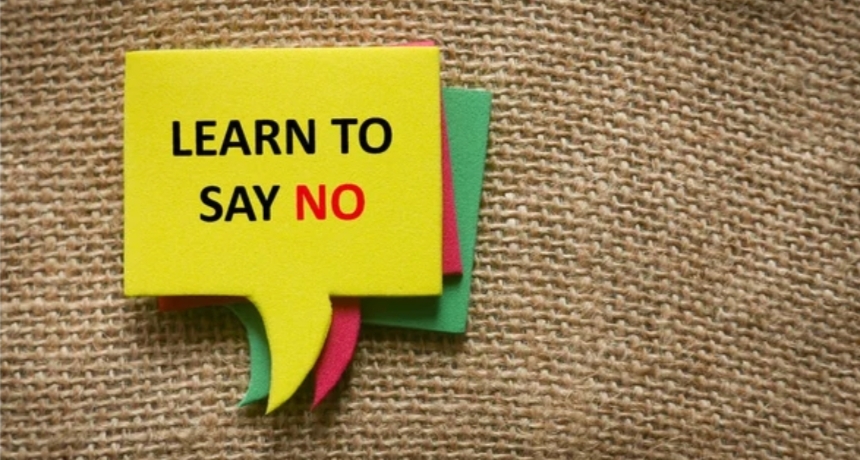
It’s also important to learn to say no. It can be difficult to set boundaries and stand up for yourself, but it is essential in order to take back control of your own life. Practice saying no to things that don’t align with your values or goals. Learn to prioritize your own needs and desires.

Above all, remember that you are the one in charge of your own life. Don’t let others dictate your choices or control your happiness. Take back control and start living life on your own terms.
Why do we create scenarios in our mind?

When your hard work does not pay off

when your hard work does not pay off

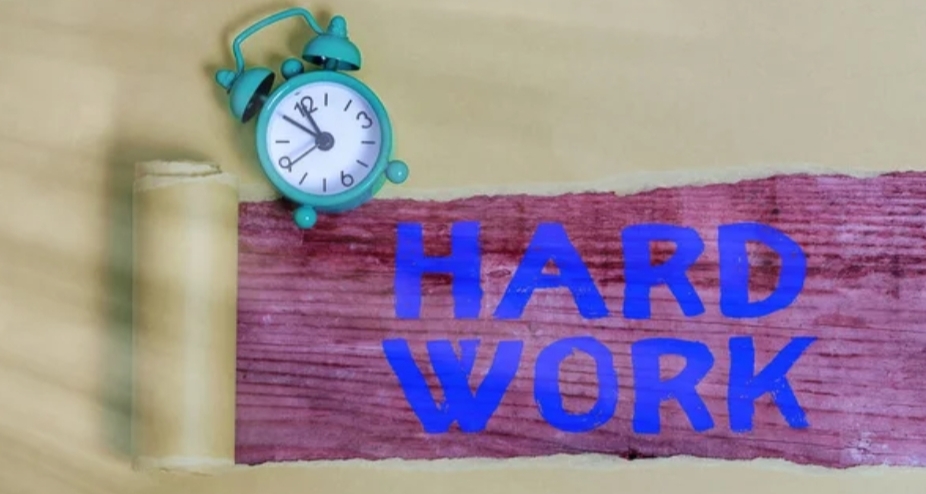
Hard work is often believed to be the key to success. The idea that putting in the time and effort will inevitably lead to positive results is ingrained in our society. However, there are times when hard work does not pay off, and despite our best efforts, success remains elusive.

One reason why hard work may not lead to desired outcomes is when external factors beyond our control come into play. Despite working diligently towards a goal, circumstances such as economic downturns, industry changes, or unforeseen events can hinder progress. No matter how hard we work, these external factors can thwart our efforts and prevent us from achieving success.

Another reason why hard work may not pay off is when we are focusing on the wrong things. Sometimes, we put in long hours and effort towards a goal that may not be aligned with our true passions and strengths. In these cases, no amount of hard work can compensate for being in the wrong field or pursuing the wrong path. It is important to reassess our goals and priorities to ensure that we are working towards something that truly matters to us.

Additionally, burnout can be a factor in why hard work does not pay off. Working tirelessly without taking breaks or caring for our well-being can lead to exhaustion and decreased productivity. It is important to strike a balance between hard work and self-care to avoid burnout and ensure that our efforts are sustainable in the long run.

What to do when hard work does not seem to pay off

When hard work does not pay off, it can be frustrating and disappointing. Here are some steps you can take to cope with the situation:

  1. Reflect on the situation: Take some time to reflect on your efforts and evaluate what went wrong. Consider if there were any external factors that may have contributed to the lack of success.
  2. Seek feedback: If possible, ask for feedback from colleagues, mentors, or supervisors to gain insight into what could have been improved. Constructive criticism can help you learn and grow from the experience.
  3. Do not give up: It is important to not let one setback discourage you. Stay motivated and continue to work hard towards your goals. Remember that success is often not linear and setbacks are a natural part of the process.
  4. Explore new strategies: Consider trying different approaches or strategies in order to achieve your goals. Experiment with new ideas and techniques to see if they yield better results.
  5. Focus on the positives: Acknowledge and celebrate the hard work you put in, regardless of the outcome. Recognize your efforts and the skills you have developed along the way.
  6. Seek support: Talk to friends, family, or a therapist about your feelings and experiences. Having a support system can help you process your emotions and gain perspective on the situation.
  7. Set new goals: Take this opportunity to reassess your goals and aspirations. Adjust your plans and set new objectives that align with your values and interests.

Remember, setbacks are a natural part of any journey towards success. Stay resilient, stay positive, and keep pushing forward towards your dreams.

Things that hold power over our mind

How important is sincerity in your work life?

how important is sincerity in your work life

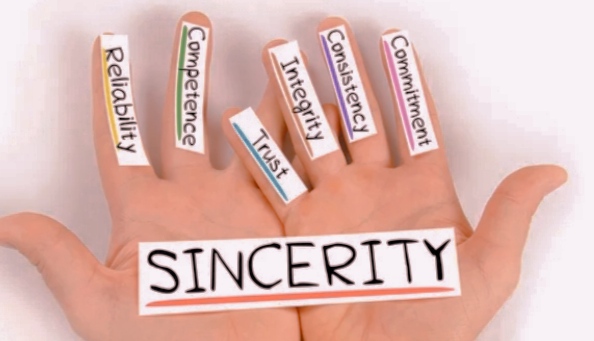
Sincerity is a virtue that holds a significant value in every aspect of our lives, especially in the workplace. The quality of being sincere in one’s work life is not just a moral obligation, but it also plays a crucial role in determining one’s success and growth in their career.

Sincerity in the workplace can be defined as being honest, genuine, and authentic in one’s actions, words, and intentions. Its about being true to oneself and others, and acting with transparency and integrity in all professional relationships and interactions.

When sincerity is lacking in the workplace, it can lead to a variety of negative consequences. Employees who lack sincerity may come across as insincere, untrustworthy, and unreliable. This can damage their relationships with colleagues and superiors. This can result in a lack of credibility, respect, and recognition from others, hindering their chances of career advancement and success.

On the other hand, when sincerity is present in the workplace, it can foster a positive and productive work environment. Sincere employees are seen as trustworthy, dependable, and genuine, which helps to build strong relationships with colleagues, superiors, and clients. Sincerity also promotes open communication, mutual respect, and teamwork, which are essential for a harmonious and successful work environment.

Moreover, sincere employees are driven by a sense of purpose and passion for their work. It reflects in the quality of their work and their level of commitment and dedication. Sincere employees take pride in their work. They strive for excellence, and are willing to go the extra mile to achieve their goals and objectives.

In addition, sincerity in the workplace also leads to greater job satisfaction and personal fulfillment. When employees are true to themselves and others in their work life, they experience a sense of authenticity and alignment with their values and beliefs. This sense of purpose and fulfillment motivates them to perform at their best. This also motivates them to continuously seek personal and professional growth and development.

Therefore, sincerity is a fundamental quality that is essential in every aspect of our lives, including our work life. It is a key ingredient for building strong relationships, fostering a positive work environment, and achieving success and fulfillment in our careers. Therefore, it is important for employees to cultivate sincerity in their work life and to strive to be honest, genuine, and authentic in all their professional endeavors. By doing so, they will not only achieve greater success and personal satisfaction in their careers but also inspire and motivate others to do the same.

5 things you should know about your life

Why do people force their ideology on others

Throughout history, humans have been incredibly passionate about their beliefs and ideologies. Whether it be political, religious, or social, people often feel a deep connection to their beliefs and feel a strong desire to share them with others. However, this desire to share can sometimes turn into a need to force their ideology on others.

There are several reasons why people may feel the need to force their ideologies on others. One of the main reasons is a desire for validation and confirmation of their beliefs. By convincing others to adopt their ideologies, individuals can feel a sense of validation and affirmation that their beliefs are correct and justified. This can help to strengthen their own beliefs and reinforce their sense of identity.

Another reason why people may force their ideologies on others is a fear of being wrong or challenged. People may feel threatened by differing opinions and perspectives, as it can shake their own beliefs and undermine their sense of security. By convincing others to adopt their ideology, individuals can protect themselves from feeling vulnerable and exposed.

Furthermore, people may force their ideologies on others out of a desire for control and power. By persuading others to conform to their beliefs, individuals can exert influence and control over them. This can give them a sense of superiority and authority, which can boost their self-esteem and ego.

Additionally, people may force their ideologies on others out of a genuine concern for their well-being. They may believe that their ideology is the best way to live and that by convincing others to adopt it, they are helping them to lead a more fulfilling and meaningful life. However, this good intention can sometimes overshadow the importance of respecting others’ autonomy and freedom to choose their own beliefs.

Therefore, the urge to force ideologies on others can stem from a variety of complex psychological and social factors. While it is natural for individuals to feel passionate about their beliefs, it is important to remember that everyone is entitled to their own opinions and perspectives. Respect for diversity and open-mindedness are crucial in fostering a harmonious society where different ideologies can coexist peacefully.

Are we attracted towards pain in life?

Being soft spoken does not make you weak

being soft spoken does not make you weak

We live in a world where being loud and assertive is often equated with strength and confidence. Those who are soft-spoken are sometimes viewed as weak or lacking in conviction. However, this stereotype could not be further from the truth. Being soft spoken does not make you weak; in fact, it can be a sign of inner strength and resilience.

One of the misconceptions about being soft spoken is that it means you are not confident or sure of yourself. This is simply not true. In many cases, those who are soft-spoken have a deep sense of self-assurance. They do not feel the need to constantly assert themselves in order to prove their worth. They are secure in who they are and do not feel the need to do battle with others in order to validate themselves.

Being soft spoken can also be a sign of empathy and compassion. Those who are soft-spoken are often more attuned to the feelings and emotions of others. They are adept at communicating in a way that is gentle and supportive. This can make them excellent listeners and counselors, as they are able to provide comfort and guidance without being overbearing or domineering.

Furthermore, being soft-spoken does not mean that you are a pushover or easily manipulated. In fact, it takes a great deal of strength to remain calm and composed in the face of conflict or adversity. Soft-spoken individuals are often able to navigate difficult situations with grace and poise. They are able to assert themselves when necessary without resorting to aggression or hostility.

Ultimately, being soft-spoken is simply a different way of expressing oneself, and should not be equated with weakness. It is important to recognize that everyone has their own unique communication style, and that being soft-spoken is just as valid and powerful as being assertive and outspoken. So the next time you encounter someone who is soft-spoken, remember that they may possess a quiet strength that should not be underestimated.

Why do people take you for granted?

How to be a high value individual

how to be a high value individual

Being a high value individual means cultivating qualities and behaviors that demonstrate your worth and attract others to you in a positive way. It involves self-awareness, self-improvement, and a commitment to personal growth. Here are some tips on how to become a high value individual:

Cultivate self-confidence

Confidence is attractive and shows that you believe in yourself and your abilities. Work on building your self-esteem and challenging negative self-talk. Practice positive affirmations and surround yourself with supportive people who encourage you to be your best self.

Develop strong communication skills

Good communication is key to building strong relationships and thriving in both personal and professional settings. Practice active listening, express yourself clearly and concisely, and be open to feedback from others. Communication is a two-way street, so make sure to both speak and listen effectively.

Pursue your passions

High value individuals are passionate about their interests and goals. Therefore, find what excites you and pursue it with enthusiasm and dedication. Whether it’s a hobby, career, or cause you care about, immersing yourself in something meaningful will not only bring you fulfillment but also make you more attractive to others.

Take care of yourself

Physical and mental health are important components of being a high value individual. Prioritize self-care by eating well, exercising regularly, getting enough sleep, and managing stress effectively. Investing in your well-being not only improves your quality of life but also makes you more resilient and attractive to others.

Practice empathy and compassion

High value individuals are empathetic and compassionate towards others. Show kindness, understanding, and support to those around you, and be willing to lend a helping hand when needed. Empathy builds strong connections with others and fosters a sense of community and belonging.

Set goals and pursue personal growth

High value individuals are always striving to improve themselves and achieve their full potential. Set meaningful goals for yourself, whether they’re related to your career, relationships, health, or personal development. Take steps in order to work towards those goals and continually seek opportunities for growth and learning.

Maintain a positive attitude

A positive attitude is contagious and can attract others to you. Hence, stay optimistic, focus on the good in every situation, and approach challenges with a can-do mindset. Positivity not only enhances your own well-being but also makes you more appealing to others.

    Becoming a high value individual is a journey that requires self-reflection, effort, and a commitment to continuous growth. By cultivating self-confidence, strong communication skills, pursuing your passions, taking care of yourself, practicing empathy and compassion, setting goals, and maintaining a positive attitude, you can elevate yourself to a higher level and inspire those around you to do the same. Remember, being a high value individual is not about being perfect, but about embracing your unique qualities and striving to be the best version of yourself.

    Sometimes even your best is not good enough

    Are superstitions good for us?

    are superstitions good for us

    Superstitions have been around for centuries and are deeply ingrained in many cultures around the world. Whether it’s avoiding walking under a ladder or carrying a rabbit’s foot for good luck, superstitions play a significant role in shaping people’s beliefs and behaviors. But are superstitions actually good for you, or are they just harmless beliefs passed down through generations?

    There are mixed opinions on the effects of superstitions on individuals. Some believe that superstitions can provide a sense of comfort and security in an unpredictable world. By following certain rituals or beliefs, individuals may feel like they have some control over their environment and outcomes. This can help reduce anxiety and stress, leading to a more positive mindset.

    Additionally, superstitions can also serve as a form of motivation and inspiration. For example, athletes often have superstitions that they believe bring them luck and help them perform better. Whether it’s wearing a certain piece of clothing or following a pre-game ritual, these superstitions can boost confidence and improve performance.

    On the other hand

    Superstitions can also have negative effects on individuals. Believing in superstitions too strongly can lead to irrational behavior and decision-making. People may avoid taking risks or making important decisions based on fear of bad luck or superstitions. This can hinder personal growth and development, as individuals may not be willing to step out of their comfort zone or take necessary risks.

    In some cases, superstitions can also lead to harmful practices or beliefs. For example, some superstitions may perpetuate harmful stereotypes or discrimination against certain groups of people. It’s important to be mindful of the origins and implications of superstitions to ensure they do not perpetuate harmful beliefs or behaviors.

    Therefore, whether superstitions are good for you ultimately depends on the individual and the context in which they are practiced. While superstitions can provide comfort, motivation, and a sense of control, it’s important to approach them with a critical mindset and not let them dictate your actions or decisions. It’s important to strike a balance between believing in superstitions and maintaining rationality and critical thinking.

    How to know are you at the right place or not

    Why do we create scenarios in our mind?

    why do we create scenarios in our mind

    Imagining different scenarios is a common phenomenon that occurs in the human mind. From envisioning potential outcomes to daydreaming about different possibilities, creating scenarios in our minds serves a variety of purposes. But why do we do this?

    One reason for creating scenarios in our minds is to help us prepare for potential future events. By imagining different situations and possible outcomes, we are able to mentally rehearse how we would respond and adapt to different circumstances. This can help reduce anxiety and increase our sense of control over uncertain situations.

    Creating scenarios in our minds can also serve as a form of problem-solving. When faced with a difficult decision or challenging situation, our minds naturally generate various scenarios and explore different options. This process of mental simulation allows us to consider different perspectives and evaluate the potential consequences of our choices.

    Additionally, creating scenarios in our minds can be a source of creativity and inspiration. By letting our imaginations run wild and exploring different possibilities, we can come up with innovative ideas and solutions to problems. This type of mental flexibility can help us think outside the box and explore new perspectives.

    Furthermore, creating scenarios in our minds can play a role in our emotional well-being. Daydreaming about positive scenarios or envisioning ourselves achieving our goals can boost our mood and increase our motivation. On the other hand, imagining worst-case scenarios can help us prepare for potential challenges and build resilience.

    In summary, creating scenarios in our minds is a natural and adaptive process that serves a variety of psychological functions. From preparing for future events to problem-solving and fostering creativity, imagining different scenarios can help us navigate the complexities of life and enhance our mental well-being. So next time you find yourself lost in thought, remember that creating scenarios in your mind is simply your brain’s way of exploring possibilities and preparing you for whatever may come your way.

    Things that hold power over our mind

    Saying ‘No’ is better than trying to be nice

    saying 'no' is better than trying to be nice

    In today’s society, there is a common belief that being nice and accommodating to others is the best way to navigate social interactions. While being kind and considerate is important, there are times when saying no is actually the better choice.

    Too often, people find themselves agreeing to things they don’t want to do out of a sense of obligation or fear of disappointing others. Therefore, this can lead to feelings of resentment, stress, and burnout. By saying yes to everything, you are essentially prioritizing the needs and desires of others over your own well-being.

    Saying no is not about being selfish or uncaring. In fact, it is about setting boundaries and asserting yourself in a healthy way. By saying no, you are being honest with yourself and others about what you are able and willing to do. This can lead to more authentic and fulfilling relationships, as you are not pretending to be someone you are not.

    Additionally, saying no can actually benefit the other person as well. By being honest about your limitations, you are giving them the opportunity to find alternative solutions or resources. It is important to remember that it is not your responsibility to always say yes and solve everyone else’s problems.

    Of course, saying no can be difficult, especially if you are a people pleaser or worry about upsetting others. However, it is a skill that can be learned and practiced over time. Start by setting clear boundaries and being assertive in your communication. Remember that it is okay to prioritize your own needs and well-being.

    Therefore, saying no is better than trying to be nice in certain situations. It allows you to be true to yourself, set boundaries, and prioritize your own well-being. By being honest and assertive in your communication, you can cultivate more authentic and fulfilling relationships with others. Saying no is not selfish, it is an act of self-care and self-respect.

    Embracing life with its unexpected turns

    Why things are not getting better?

    why things are not getting better

    It can be frustrating when despite all your efforts, things just don’t seem to be improving for you. Whether it’s in your personal relationships, career, health, or overall well-being, it can feel like you’re stuck in a rut with no way out. But before you give up hope, it’s important to take a step back and assess why things may not be getting better for you.

    One reason could be a lack of self-awareness. It’s essential to reflect on your actions, behaviors, and attitudes to understand why things are not improving for you. Are you taking responsibility for your actions or playing the victim card? Are you making changes in your life or waiting for things to magically get better? Being honest with yourself and acknowledging areas where you need to improve is the first step towards making positive changes.

    Another reason could be a fear of change. Change can be intimidating and uncomfortable, but it’s often necessary for growth and improvement. If you’re resistant to change or stuck in your comfort zone, it’s likely that things will not get better for you. Embracing change, stepping out of your comfort zone, and being open to new opportunities are crucial for progress and success.

    Moreover, lack of consistency and persistence can also hinder your progress. If you’re not putting in consistent effort towards your goals and giving up easily when faced with challenges, it’s unlikely that things will improve for you. Success rarely comes overnight, and it requires hard work, dedication, and perseverance. Keep pushing forward, stay focused on your goals, and never give up, no matter how tough things may seem.

    Additionally, it’s essential to surround yourself with positivity and support. Negative influences, toxic relationships, and unsupportive environments can hold you back from reaching your full potential. Surround yourself with people who uplift and inspire you. Seek guidance and advice from mentors, and create a supportive network that encourages your growth and success.

    Hence, if things are not getting better for you, take a moment to reflect on your actions, mindset, and environment. Identify areas where you can improve, be open to change, stay persistent in your efforts, and surround yourself with positivity and support. By making these changes, you’ll be on the path towards a brighter and more fulfilling future. Remember, progress may be slow, but with determination and perseverance, you can overcome any obstacles and achieve the success you desire.

    The illusion of choice in life