Last year was full of suprises for many of us and with all its ups and downs it has made us stronger and better version of ourselves. I’m grateful for all of you who read and support my blog. You have encouraged me to keep doing what I do and I thank all of you for being the great support. With this first post of new year, I hope to bring some positivity and light to all of our lives and wish you all a very Happy New Year!
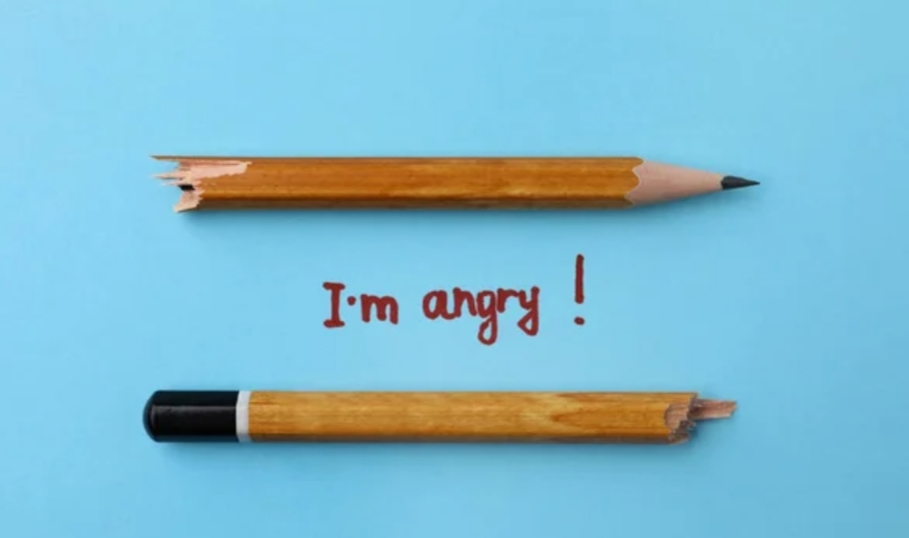
We’ve all been there. Someone says something cutting, a colleague takes credit for your work, or a partner forgets a significant promise. Instead of speaking up, you swallow the lump in your throat, offer a tight-lipped smile, and say, “It’s fine.” But anger is an energy, and energy doesn’t just vanish because we refuse to acknowledge it. When we bottle up our emotions, we aren’t getting rid of the anger, we are simply storing it in a container that wasn’t built to hold it forever.
The Myth of the Easygoing Person
Culturally, we are often rewarded for being chill or non-confrontational. We view the suppression of anger as a sign of maturity or self-control. However, there is a vital difference between managing your reaction and denying the feeling exists.
When you bottle up anger, you aren’t being peaceful, you’re being a pressure cooker. The steam stays inside, but the internal heat continues to rise.
The Physical and Mental Toll
The body doesn’t distinguish between a suppressed emotion and a physical threat. When you feel anger but refuse to express it, your body remains in a state of low-level fight or flight.
- Physical Health: Chronic suppression is linked to high blood pressure, digestive issues, tension headaches, and a weakened immune system.
- Mental Exhaustion: It takes an immense amount of cognitive energy to keep a lid on a powerful emotion. This leads to emotional leakage, where you find yourself snapping at innocent people over trivial things because your container is full.
- The Explosion Effect: Eventually, the pressure becomes too much. The smallest inconvenience like a dropped spoon or a red light becomes the catalyst for an outburst that is disproportionate to the situation.
Why We Bottle up the Anger
Understanding why we bottle things up is the first step toward changing the habit. Common reasons include:
- Fear of Conflict: The belief that any disagreement will lead to the end of a relationship.
- Childhood Conditioning: Growing up in a household where anger was either bad or met with punishment.
- Gender Norms: Men are often told anger is the only acceptable emotion, while women are often taught that anger makes them difficult or unattractive.
How to Uncork the Bottle Safely
Breaking the cycle of suppression doesn’t mean you should start screaming at everyone who annoys you. It means finding healthy outlets for the energy.
- The 90-Second Rule: Neuroscience suggests that the chemical surge of an emotion lasts about 90 seconds. If you can sit with the physical sensation for a minute and a half without fueling it with angry thoughts, the peak will pass, allowing you to respond rather than react.
- Use “I” Statements: Instead of “You always make me feel ignored,” try “I feel frustrated when I’m interrupted because I want to contribute to the conversation.”
- Physical Release: Sometimes the body needs to move the adrenaline out. Exercise, journaling, or even a controlled vent session with a trusted friend can lower the internal pressure.
Anger is often a boundary emotion. It tells us when something is unfair or when our limits have been crossed. By bottling it up, we ignore our own boundaries. Learning to express anger constructively isn’t about being mean, it’s about being honest.
When you let the steam out slowly and intentionally, you prevent the explosion that hurts both you and the people you love.