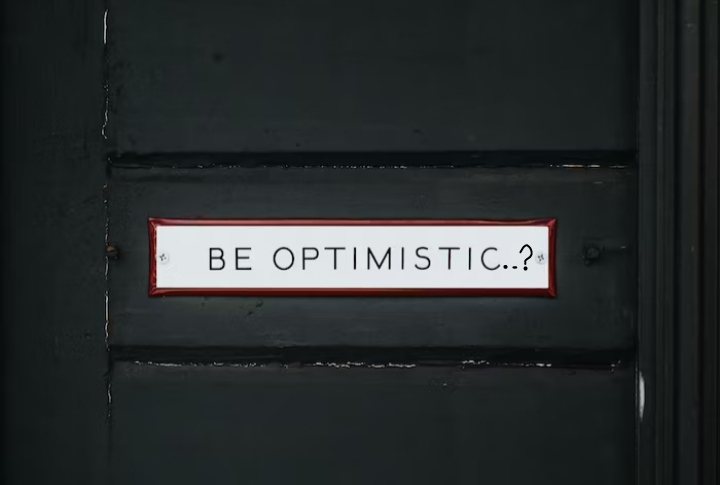
Is it good to be optimistic all the time

is it good to be optimistic all the time

Optimism is the tendency to expect favorable outcomes in every situation. It is an attitude that focuses on the positive aspects of life and believes that good will eventually prevail. People often admire those who radiate optimism as they seem to effortlessly navigate through life’s challenges with a smile. However, there is an ongoing debate about whether it is good to be optimistic all the time. While there are certainly advantages to being optimistic, there can also be drawbacks that are worth considering.

One of the benefits of being optimistic is the psychological impact it has on an individual. Optimistic people tend to have better mental well-being, increased resilience, and reduced stress levels. They are more likely to have a positive outlook on life, even during trying times. Optimism motivates individuals to maintain hope and actively seek solutions when faced with difficulties. This positive approach can lead to greater perseverance and the ability to bounce back from setbacks.

Furthermore, optimism can have a positive impact on physical health. Studies have shown that optimistic individuals shows better immune response, and experience a less incidence of depression. The power of positive thinking is often associated with better coping mechanisms and improved self-care practices.

How your thoughts make your reality

Why you should not be optimistic all the time

Although optimism has its advantages, there are times when being too optimistic can lead to certain drawbacks. One potential issue is the tendency to overlook or underestimate risks. Optimism can sometimes blind individuals to potential pitfalls and cause them to be unprepared for negative outcomes. While it is important to stay positive, it is good to keep in mind that unfavorable circumstances could arise. Overconfidence resulting from excessive optimism can lead to poor decision-making and unforeseen consequences.

Moreover, constant optimism can sometimes hinder personal growth and learning. Failure is an unavoidable part of life, and an overly optimistic mindset might prevent individuals from accepting and learning from their mistakes. Acknowledging setbacks and developing a balanced perspective can provide valuable insights on how to improve and grow as individuals. Sometimes a dose of realism can help individuals evaluate situations more accurately and make more informed decisions.

Being overly optimistic can lead to a lack of empathy towards others who may be struggling. It is essential to recognize that not everyone has the same circumstances or experiences. Uncontrolled optimism may unintentionally invalidate others’ feelings and difficulties, creating a disconnect in relationships. Striking a balance between optimism and empathy is vital for maintaining strong and meaningful connections with others.

Therefore, while optimism has numerous benefits, it may not always be advantageous to maintain an optimistic mindset at all times. It can lead to overlooking risks, hinder personal growth, and create a lack of empathy. Instead, a balanced approach that includes realistic and empathetic perspectives can help individuals navigate life’s ups and downs more effectively. By acknowledging the importance of both optimism and realism, individuals can make informed decisions, cultivate personal growth, and nurture stronger relationships.

Do not let others diminish your value

do not let others diminish your value

In a world where opinions and judgments are abundant, it’s easy to fall into the trap of allowing others to define our worth. People often project their insecurities, biases, and perspectives onto us, leading to a gradual erosion of our self-esteem and confidence. However, it is crucial to recognize that your value is not determined by external factors. In fact, it is determined by your inherent qualities and uniqueness. This article explores the importance of not letting others diminish your value and offers strategies to encourage self-worth and resilience.

Each individual is born with innate value. Therefore, your worth is not tied to your appearance, achievements, or material possessions. It’s about your qualities, experiences, and the positive impact you bring to the world. Embracing your true self and recognizing your capabilities such as your strengths, weaknesses, and potential for growth are vital in realizing your intrinsic value.

External influences, such as societal standards, media portrayal, and other people’s opinions, can significantly impact how we perceive ourselves. Hence, the opinions of others can shape our self-esteem, often leading to self-doubt and feelings of inadequacy. It’s important to remember that people’s judgments are often rooted in their own perceptions and biases, rather than an accurate assessment of your true worth.

The success in your mind

Strategies for not letting others diminish your value

  1. Self-Awareness: Develop a strong sense of self-awareness. Reflect on your strengths, values, and passions. Understand what makes you unique and celebrate those qualities.
  2. Positive Self-Talk: Monitor your self-talk. Replace self-criticism with self-compassion. Treat yourself with the same kindness and understanding that you would offer to a friend.
  3. Set Boundaries: Establishing healthy boundaries is essential. Therefore, surround yourself with people who uplift, support, and appreciate you. Distance yourself from individuals who consistently undermine your self-esteem.
  4. Embrace Imperfections: Nobody is perfect, and that’s perfectly okay. Embrace your imperfections as part of what makes you human. Focus on personal growth and progress rather than unattainable ideals.
  5. Define Your Own Success: Success is subjective and therefore, should be defined on your terms. Don’t measure your accomplishments only by external standards. Celebrate your achievements, no matter how small they may seem to others.
  6. Practice Self-Care: Prioritize self-care to nurture your mental, emotional, and physical well-being. Engage in activities that bring you joy, relaxation, and a sense of accomplishment.

The journey to preserving your value and self-worth starts within. By validating yourself based on your unique qualities, achievements, and experiences, you can cultivate a strong sense of self that is resilient to external criticisms and judgments. Remember that you have the power to control how much weight you give to others’ opinions.

In a world filled with external influences and societal pressures, it’s crucial to stand firm in your self-worth and not let others diminish your value. Recognize that your value is inherent and unique, unaffected by the opinions of others. Therefore, by practicing self-awareness, setting boundaries, and embracing imperfections, you can nurture your self-esteem and build resilience against negative influences. In order to empower yourself through self-validation you just need to remember that you are deserving of love, respect, and success, just as you are.

Failure is the first step towards success

failure is first step towards success

Failure is a word that often carries a negative connotation. Many people associate it with disappointment, shame, and defeat. However, in reality, it is not the end; it is merely the beginning. It is the first step towards success.

When we look at the lives of successful individuals, we often find a common thread: they have all experienced failure at some point in their journey. Thomas Edison, the inventor of the light-bulb, famously said, “I have not failed. I’ve just found 10,000 ways that won’t work.” His numerous attempts and failures are what eventually led him to succeed.

It serves as a valuable learning experience. It provides us with an opportunity to reflect on what went wrong and to develop a new approach. Every time we fail, we gain insight into our weaknesses and areas for improvement. This self-awareness is essential for growth and progress towards success.

Your mistakes do not define you

What can we learn from failure?

Failure builds resilience and character. It strengthens our determination, perseverance, and the mindset needed to overcome challenges. Successful people understand that failure is not a setback but a first step towards success. It teaches us to keep going, to adapt, and to embrace change instead of fearing it. By learning from our mistakes and not giving up, we develop the necessary skills to ultimately achieve success.

It also invites innovation and creativity. When faced with a setback, we are forced to think differently, explore new possibilities, and seek alternative solutions. It pushes us out of our comfort zone and encourages us to take risks. Some of the greatest inventions, businesses, and art have emerged from failures. It is through the process of trial and error that groundbreaking ideas are born.

In addition, failure exposes us to the true essence of success. Without it, success would lose its value. The hard work, dedication, and persistence required to overcome failure make the taste of success even sweeter. It teaches us humility, gratitude, and appreciation for the journey.

It is important to remember that failure is not a reflection of our worth or abilities. In fact, It is a natural and necessary part of life. Choosing to view it as a stepping stone rather than a roadblock allows us to re-frame our mindset and continue moving forward.

Therefore, failure is the first step towards success. It is not something to be feared or avoided but embraced and learned from. It provides us with valuable lessons, builds resilience, sparks innovation, and creates a deeper appreciation for success. So, let us not be discouraged by it, but rather, let us embrace it, learn from it, and use it as a catalyst for growth and achievement.

How our mindset makes a big difference in life

No need to be perfect all the time

no need to be perfect all the time

In today’s society, there is an enormous amount of external pressure to be perfect. Whether it is maintaining an impeccable appearance, excelling in every aspect of life, or achieving an ideal standard of success, there seems to be an unspoken expectation of flawlessness. But the truth is, there is no need to be perfect all the time.

Perfectionism is a notion that can be paralyzing and detrimental to our overall well-being. Constant need to strive for flawlessness often leads to stress, anxiety, and even depression. The constant fear of failure and judgment takes away the joy of living in the present moment and embracing our imperfections.

Pursuing flawlessness is an unattainable goal. No matter how hard we try, it is impossible to be flawless in every aspect of our lives. We are human beings, and it is in our nature to be flawed. The beauty lies not in perfection but in our ability to embrace our flaws and learn from them.

How our mindset makes a big difference in life

Why you should embrace your imperfections

Embracing our flaws allows us to grow and develop as individuals. Mistakes and failures are not signs of inadequacy but are valuable learning experiences. They provide us with opportunities for growth, self-reflection, and self-improvement. By accepting that we are not perfect, we can focus on progress and be kinder to ourselves in the process.

Furthermore, embracing imperfection allows us to connect with others on a deeper level. When we are open about our flaws and vulnerabilities, we create a safe space for others to be their authentic selves. Perfection creates a barrier between people, making it harder to establish genuine and meaningful relationships. It is through our faults and flaws that we can relate, empathize, and support one another.

Contrary to popular belief, flaws does not equate to failure or mediocrity. It is through our flaws that we showcase our uniqueness, creativity, and authenticity. Embracing our flaws allows us to see the beauty in our individuality and to appreciate the diversity that exists in the world.

Being ideal all the time is an exhausting and unproductive endeavor. It places unnecessary pressure on ourselves to conform to societal expectations rather than focusing on what truly matters – our happiness and well-being. Life is a journey filled with ups and downs, successes and failures, and in order to navigate this journey with greater ease and contentment we need to embrace our flaws.

So, let go of the need to be flawless all the time. Embrace your flaws, learn from your mistakes, and celebrate the uniqueness that makes you who you are. Remember, it is in our imperfections that we find our true selves, grow, and connect with others. Life is not about being perfect; it is about being human.

Is it important to know your inner self?

Sometimes even your best is not good enough

sometimes even your best is not good enough

Sometimes, despite giving our absolute best effort, we may come up short of our desired outcome. It is a bitter pill to swallow when we realize that even our best is not good enough. Whether it is in academics, work, relationships, or personal goals, facing this realization can be disheartening and demotivating. However, it is crucial to recognize that on these occasions, it is not a reflection of our worth or abilities, but rather a valuable lesson in resilience and growth.

One of the most significant contributors to this scenario is our tendency to set unrealistic expectations for ourselves. Society often glorifies the idea of perfection, leading us to believe that we should effortlessly achieve greatness in all aspects of life. However, it is important to understand that perfection is an unattainable standard. It is through trying and falling short that we learn, improve, and ultimately grow.

It is in these instances of not being good enough that we must remember that failure is not the opposite of success but rather a stepping stone towards it. Many great achievements in history, innovation, and art were born out of multiple failures and setbacks. The difference lies in how we perceive and respond to these experiences. Rather than viewing them as personal failures, we should re=frame them as opportunities for growth and self-improvement.

Moreover, it is crucial to recognize and appreciate the effort we put forth. Sometimes, despite our best intentions and hard work, external factors beyond our control can influence the outcome. Recognizing our limitations and accepting that there will be times when our best may not be good enough is essential for maintaining a healthy self-image and avoiding burnout.

In addition to external factors, internal challenges such as self-doubt, fear, or lack of confidence can hinder our performance. Negative self-talk and comparisons to others often heighten these feelings. It is important to remind ourselves that every individual has their own journey, and what may seem effortless for someone else may require more effort from us. Embracing our uniqueness and focusing on our own growth rather than comparing ourselves to others can help reduce these pressures.

Nevertheless, it is equally important to distinguish between genuine effort and falling into a pattern of mediocrity or self-satisfaction. While one should not be disheartened if their best efforts do not yield the desired outcome, consistently giving less than our best does not allow for growth or progress. It is crucial to evaluate our approach, identify areas for improvement, and be open to adapting strategies accordingly.

Ultimately, facing the harsh reality that even our best is sometimes not enough is an opportunity for self-reflection and self-improvement. It teaches us resilience, adaptability, and the importance of perseverance in the face of adversity. It encourages us to reevaluate our approach, set realistic expectations, and recognize our limitations while appreciating the effort we invest. Remember, success is not solely measured by the outcome but is also defined by the lessons learned along the way.

How failures shape your life

Change is the only constant in life

change is the only constant in life

The ancient Greek philosopher Heraclitus once said, “The only constant in life is change.” This profound statement holds true even in our modern, fast-paced world. Change is an inherent part of our existence, shaping our life experiences and influencing our personal growth.

From the moment we are born, our journey through life is marked by an ever-changing landscape. We grow physically, mentally, and emotionally. We transition from childhood to adulthood, adapting to new responsibilities along the way. Relationships evolve, careers take unexpected turns, and the world around us transforms with each passing moment. Change is unavoidable, and if we embrace it, it can lead to personal development and a more fulfilling life.

The world around us is in constant state of flux,and it is essential to acknowledge this reality. Embracing change can be challenging, as we often find comfort in familiarity and the stability of routine. However, resisting it ultimately leads to stagnation. It is through change that we discover new opportunities, develop resilience, and learn valuable life lessons. It forces us to step outside our comfort zone, pushing us to explore new perspectives and approaches.

The mind is more powerful than you realize

Embrace the change

One of the most significant ways change impacts us is through personal growth. It forces us to confront our fears, break free from limiting beliefs, and redefine ourselves. We may face challenges and obstacles that test our character, but through these experiences, we evolve into stronger, more resilient individuals. It encourages us to embrace our potential and push our boundaries, helping us to discover hidden talents and strengths we may never have known existed.

Change also teaches us valuable life lessons. As we navigate through different phases of life, we encounter various situations that broaden our understanding and shape our worldview. Each obstacle we overcome and each experience we encounter adds depth and richness to our lives. Embracing it allows us to adapt and learn, enabling personal growth and inspiring us to become better versions of ourselves.

To thrive in the face of change, we must cultivate adaptability. This means being open to new possibilities, embracing challenges, and remaining flexible in our thinking. In doing so, we foster a mindset that welcomes transformation, making it an ally rather than an adversary. Instead of being swept away by the currents of modification, we can learn to ride its waves and harness its power for our benefit.

While change may be unavoidable, it is not something to be feared. Rather, it is an opportunity for growth and self-discovery. By embracing it, we can transform our lives, achieve our goals, and ultimately find fulfillment and happiness. Change is, indeed, the only constant in life, and it is up to us to make the most of it.

Embracing life with its unexpected turns

Make yourself your priority

make yourself your priority

In our fast-paced and chaotic lives, it is easy to get caught up in taking care of everyone and everything around us, often forgetting to prioritize our own needs. We juggle work, relationships, bills, and other responsibilities, leaving little time or energy for self-care. However, it is crucial to understand that making yourself a priority is not selfish; it is a fundamental step towards leading a fulfilling and balanced life.

Taking care of yourself is not just a luxury but a necessity. When we neglect our own needs, we become physically, emotionally, and mentally exhausted, which can lead to burnout and even compromising our overall well-being. In order to make yourself your priority you need to take few steps.

How to make yourself a priority

  1. Set boundaries: Establish boundaries with your time and energy. Learn to say ‘no’ to commitments that don’t align with your priorities or values. By doing so, you free up time for yourself and prevent spreading yourself too thin.
  2. Prioritize self-care: Make self-care a non-negotiable part of your routine. Whether it’s practicing mindfulness, exercising, getting enough sleep, or engaging in hobbies, carve out time each day to do something that replenishes your energy and brings you joy.
  3. Practice self-compassion: Treat yourself with kindness and understanding. We often tend to be harder on ourselves than we are with others. Remember that you are only human, and it is okay to make mistakes or have off days. Be gentle, forgive yourself, and practice self-compassion.
  4. Learn to delegate: You don’t have to do everything alone. Delegate tasks to others when possible and ask for help when needed. Recognize that it is not a sign of weakness or inability but a way to lighten your load and create space for self-care.
  5. Cultivate supportive relationships: Surround yourself with people who uplift and support you. Build a network of friends, family, or mentors who value and encourage your well-being. These connections can provide emotional support, guidance, and even help hold you accountable to making yourself a priority.
  6. Set goals and aspirations: When you have clear goals and aspirations, you are more likely to prioritize your own growth and development. Set realistic and achievable goals for different aspects of your life, including personal, professional, and health-related goals. Regularly revisit and reassess these goals to ensure they remain aligned with your priorities.
  7. Practice self-reflection: Take a step back regularly to reflect on your life and priorities. Assess whether you are spending your time and energy in alignment with what truly matters to you. Are there areas where you need to make adjustments? Self-reflection helps you gain clarity and make intentional choices about where to allocate your resources.

Remember, making yourself a priority doesn’t mean neglecting others or your responsibilities. It is about recognizing that you deserve care and attention too. By putting yourself first, you not only improve your own well-being but also enhance your ability to show up fully for others. Therefore, taking care of yourself is not a luxury; it is an act of self-love and a crucial step towards living a fulfilled and balanced life.

Take some time out to reflect on yourself

You are more than your fears

you are more than your fears

Fear has a way of holding us back. It whispers in our ear, reminding us of our weaknesses and vulnerabilities. It tells us to play it safe, to stick to what we know, and to never take risks. But what if you could rise above your fears? What if you could discover that you are so much more than what your fears allow you to be?

Fear has been a part of the human experience since the beginning of time. It is an instinctual response that served a purpose when our ancestors had to navigate dangerous environments to survive. However, in our modern lives, fear often takes on a different form. It morphs into an internal barrier that prevents us from exploring the world and embracing new opportunities.

The truth is, fear is an illusion. It is a creation of our mind, an exaggerated perception of what might happen. Hence, it is not a reflection of our true capabilities or potential. We are born with infinite possibilities, untapped talents, and boundless creativity.

Every individual has their own set of fears. Some fear failure, rejection, or making mistakes. Others fear the unknown, change, or taking risks. These fears can be paralyzing, preventing us from pursuing our dreams, expressing our true selves, or even forming meaningful connections with others. But this is not who we are.

We are more than our fears, we are resilient, strong, and capable of remarkable achievements. We have the power to face our fears, challenge their validity, and dismantle them. It may not always be easy, but growth rarely happens within our comfort zones.

How our mindset makes a big difference in life

How to overcome your fears

In order to transcend our fears, we must first acknowledge them. What is it that you fear? Identify the exact nature of your fears and confront them. By shining a light on our fears, we can begin to understand them better and realize that they are often based on flimsy foundations.

Next, take small steps towards overcoming your fears. Break down your goals into manageable tasks and gradually build up your confidence. Every little achievement will pave the way for bigger ones, allowing you to confront your fears with increasing strength.

Surround yourself with positive influences and supportive individuals who believe in you. You are not alone in your journey, and the encouragement of others can help you overcome obstacles. Seek out role models who have conquered their own fears, and let their success inspire you.

Remember, failure is not the opposite of success; it is an integral part of it. Embrace failure as a learning experience rather than a measure of your worth. Each setback brings new insights and teaches us valuable lessons that help us grow and improve.

Finally, practice self-compassion. Be kind to yourself and give yourself permission to make mistakes. Recognize that perfection is an illusion and that embracing our flaws and vulnerabilities is what makes us human. Therefore, you should celebrate your achievements, no matter how small, and acknowledge the progress you have made.

You are more than your fears. You are capable of remarkable things, and your potential knows no bounds. Embrace the unknown, push beyond your comfort zone, and watch as your fears become stepping stones towards a life filled with purpose, fulfillment, and endless possibilities.

Your mistakes do not define you

How failures shape your life

how failures shape your life

Failure is often seen as something negative, a setback that can leave us feeling defeated and discouraged. However, failures can be the catalyst for personal growth and self-improvement. They have the power to shape our lives in profound and unexpected ways. Throughout history, many successful individuals have credited their failures as the key to their achievements. In fact, failures can serve as valuable life lessons, providing us with the necessary experience and resilience to overcome obstacles and eventually succeed.

One way in which failures shape our lives is by teaching us important lessons. Each failure offers an opportunity for reflection and self-analysis. By analyzing what went wrong, we can identify our weaknesses, areas that require improvement, and develop strategies to enhance our abilities. This introspection helps us to understand our limitations and push ourselves further, ultimately leading to personal development. Failure forces us to confront our flaws, encourage resilience, determination, and perseverance in the face of difficult situation.

Failures also introduce us to the concept of risk-taking. Stepping out of our comfort zone is often the only way to achieve our dreams and ambitions. Failures teach us that success is not guaranteed, but it is worth the risk. They teach us to be fearless and embrace uncertainty. Successful people understand that failure is not the opposite of success but rather an integral part of it. By taking risks and accepting the possibility of failure, we learn that setbacks are not permanent roadblocks but stepping stones toward our goals.

Your mistakes do not define you

Failures inspire innovation and creativity

When faced with failure, we are forced to think outside the box, and explore different approaches. It encourages us to experiment and adapt to new circumstances and encourage problem-solving skills. Failures often prompt individuals to look for alternative paths, leading to the discovery of breakthrough ideas. Many inventions and scientific discoveries are the result of failures and the subsequent determination to find a better solution.

Failures also provide an opportunity to re-evaluate our priorities and goals. They challenge us to question our existing beliefs and values, enabling personal growth and self-discovery. Through failures, we learn the importance of aligning our goals with our passions and values. They help us reassess our choices, redirect our efforts, and pursue fulfilling paths that lead to long-lasting happiness and satisfaction.

Hence, failures are not something to be feared but rather embraced. They shape our lives by teaching important lessons, encouraging resilience and determination, inspiring innovation, and encouraging us to re-evaluate our priorities. By re-framing our perspective on failures, we can harness their power to drive us towards personal growth and success. Remember, great accomplishments often emerge from the ashes of failure. In order to become successful you have to embrace your failures.

The success in your mind

Why imperfections are beautiful

why imperfections are beautiful

In a world that often idolizes perfection, it is easy to feel insecure and self-conscious about our imperfections. We are bombarded daily with images of flawless models, celebrities, and social media influencers, all seemingly living picture-perfect lives. However, it is important to remember that imperfections are not something to be ashamed of but rather, they are what make us unique and beautiful.

Society’s obsession with perfection has created unrealistic standards that are impossible to meet. As a result, we are constantly seeking flawless skin, perfectly toned bodies, and highly manicured lifestyles. But it is essential to understand that flaws are an integral part of our humanness. They are the marks that signify our individuality and the experiences we have had.

Physical imperfections, such as scars, birthmarks, and freckles, tell stories of our journey through life. Each flaw is a symbol of overcoming challenges or embracing personal quirks that are unique to us. .

Moreover, imperfections extend beyond the physical realm. Our flaws can manifest in different aspects of our lives, including our personalities, abilities, and relationships. It is through these imperfections that we learn, grow, and connect with others. Consider a person who is incredibly talented but struggles with self-doubt. Their vulnerability and willingness to acknowledge their flaws make them relatable and endearing to others.

Stillness is important in life

Embrace the imperfections

Embracing imperfections will lead to personal growth and self-acceptance. By acknowledging and accepting our flaws, we learn to be more compassionate and empathetic towards others. We become less judgmental and more understanding, as we realize that everyone is fighting their own battles.Therefore, our imperfections give us the ability to connect with others on a deeper and more meaningful level.

It is essential to challenge society’s notion of perfection and redefine what beauty truly means. By embracing our imperfections, we empower ourselves and others to appreciate the diversity and uniqueness of the human experience. Instead of striving for an unattainable ideal, we should celebrate the beauty in our scars, stretch marks, wrinkles, and everything that makes us imperfectly perfect.

Embracing imperfections allows us to break free from the shackles of insecurity and self-doubt. It opens doors to self-love and acceptance, helping us develop resilience and a positive mindset. We realize that perfection is not necessary for happiness or success. In fact, it is often our imperfections that lead us towards personal growth, creativity, and the discovery of our true passions.

So, let us celebrate the beauty in our flaws. Let us challenge the notion of perfection and redefine what it means to be truly beautiful. Imperfections are proof of the richness and diversity of the human experience. They remind us that beauty lies in our individuality, in our vulnerabilities, and in our ability to rise above adversity.Therefore, we should embrace the flaws, for they are what make us beautifully imperfect.

Embracing life with its unexpected turns