Invest in yourself to create opportunities

invest in yourself to create opportunities

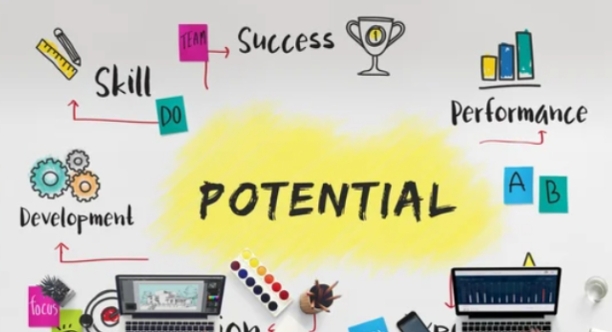
In today’s competitive world, it is crucial to proactively invest in yourself to unlock a world full of opportunities. We often focus on investing our time and resources on external aspects such as education, skills, or financial planning, but we tend to forget that our greatest asset is ourselves. By dedicating time and effort to self-improvement, personal growth, and nurturing our talents, we can create endless opportunities and shape a brighter future.

One of the key reasons why investing in yourself is essential is because it builds confidence. When we invest in acquiring new knowledge, developing new skills, or improving existing ones, we become better equipped to face any challenges that come our way. Confidence is a powerful tool that can help us overcome fears, take risks, and seize opportunities. It enables us to present ourselves with conviction, articulate our ideas effectively, and gain the respect of others.

Investing in ourselves also broadens our horizons. By stepping outside of our comfort zones, we open ourselves to new experiences, perspectives, and networks. Engaging in activities like attending workshops, participating in conferences, or joining networking groups allows us to connect with like-minded individuals and learn from their experiences. These interactions can provide valuable insights, inspire creativity, and ignite new ideas. They may lead to unexpected collaborations, career advancements, or even entrepreneurial ventures.

Moreover, investing in ourselves enhances our adaptability to change. In today’s dynamic world technological advancements and market fluctuations are the norm. So, it’s crucial to continuously learn and upgrade our skillset. Embracing lifelong learning allows us to stay relevant and agile. It ensures that we are well-prepared for any future challenges or emerging opportunities. By investing in ourselves, we become adaptable, and this adaptability becomes a gateway to unlock even more opportunities.

Investing in ourselves is not just about developing our professional skills; it should also encompass personal growth. Taking care of our physical and mental well-being is equally important. Engaging in activities that promote a healthy lifestyle, such as regular exercise, proper nutrition, and self-care practices, contribute to our overall happiness, energy levels, and productivity. When we are physically and mentally fit, we can perform better, think more clearly, and handle stress effectively. This state of well-being fosters personal growth and radiates positively in both our personal and professional lives, creating new doors of opportunity.

Lastly, investing in ourselves sends a powerful message to the world. When we prioritize self-improvement, we show others that we value our capabilities, aspirations, and future. This attitude is not only appreciated by potential employers or clients but also inspires those around us. By investing in ourselves, we become role models for others. We encourage them to unlock their potential, creating a ripple effect that positively impacts society as a whole.

Therefore, investing in yourself is a vital strategy to create opportunities. It allows us to build confidence, broaden our horizons, enhance our adaptability, promote personal growth, and inspire others. As we embark on the journey of self-investment, we must remember that it is not an overnight process but a continuous and lifelong commitment. With every step we take towards self-improvement, we come closer to unlocking a world full of endless opportunities, success, and fulfillment. So let’s start investing in ourselves today and witness the transformations that create a brighter and more prosperous future.

Why do we trade our time with money?

Why its important to express yourself?

why its important to express yourself

Expressing oneself is a fundamental human need that allows individuals to communicate their thoughts, emotions, and unique perspectives to the outside world. Whether it is through art, music, writing, or even simply speaking up, self-expression plays a vital role in personal growth, mental well-being, and building meaningful connections with others. In this article, we will explore some key reasons why it is important to express yourself.

Self-discovery and self-awareness

Expressing yourself provides an opportunity for self-discovery and self-awareness. By actively engaging in creative outlets or speaking our minds, we can gain a deeper understanding of our thoughts, emotions, and values. Hence, self-expression enables us to explore, experiment, and reflect upon our experiences, ultimately leading to personal growth and increased self-confidence.

Emotional release and mental well-being

Suppressing emotions can be detrimental to our mental and emotional well-being. Expressing ourselves allows us to release pent-up feelings, reducing stress and anxiety. It serves as a healthy outlet, allowing us to process our emotions and prevent them from manifesting in unhealthy ways. Whether it’s through painting, dancing, writing, or simply talking with a trusted friend, self-expression helps us maintain a balanced emotional state.

Enhancing communication skills

Effective communication is important for building strong relationships, both personal and professional. Expressing oneself helps develop communication skills by teaching us to articulate thoughts and ideas clearly, actively listen to others, and engage in meaningful conversations. When you express yourself freely, you invite authentic interactions and foster deeper connections with others.

Inspiring and influencing others

When we express ourselves authentically, we have the potential to inspire and influence others positively. Our unique experiences, insights, and perspectives can encourage those around us to embrace their own individuality and express themselves freely. Through our self-expression, we can become catalysts for change, breaking societal norms and promoting inclusivity and acceptance.

Forming a sense of identity

Expressing oneself is a crucial part of forming a sense of identity. It allows us to define who we are, what we believe in, and what matters most to us. When we share our thoughts, talents, and ideas with the world, we create a space for self-acceptance and build a strong foundation for self-identity. Through self-expression, we make our mark on the world and leave behind a legacy.

Therefore, self-expression is important for personal growth, self-discovery, and well-being. When you express yourself, you learn to understand and accept your emotions, develop effective communication skills, and inspire those around you. It is through self-expression that we form our unique identity and find our place in the world. So, let us not shy away from sharing our thoughts, passions, and desires. Embrace self-expression and embark on a journey of self-fulfillment and meaningful connections.

Our life is the product of our thoughts

Look forward to make mistakes

look forward to make mistakes

When it comes to achieving success, we often hear phrases like “failure is not an option” or “success only comes to those who never make mistakes.” While these sayings may seem motivating, they can also create a fear of failure and hinder our personal growth. However, what if we shift our perspective and instead look forward to making mistakes? Embracing failure could spark incredible personal growth and push us towards new heights.

Mistakes are Inevitable

Firstly, it’s important to recognize that making mistakes is an unavoidable part of the human experience. No matter how hard we try or how skilled we become, we are bound to make errors along the way. Therefore, rather than fearing mistakes, we should embrace them as essential learning opportunities. By accepting that mistakes are an integral part of life, we can begin to remove the stigma attached to failure and shift towards a healthier outlook.

Learning through Mistakes

Making mistakes provides us with valuable lessons that we often can’t learn in any other way. It’s through failure that we gain insights into what does not work and what needs improvement. Mistakes expose our weaknesses, enabling us to address them and grow stronger. Embracing mistakes means stepping out of our comfort zones, trying new things, and taking risks. As we encounter failures, we learn resilience, perseverance, and problem-solving skills.Hence, each mistake becomes a stepping stone towards personal growth and success.

Creativity and Innovation

Embracing mistakes allows us to tap into our creative potential and fosters innovation. When we are not afraid of making mistakes, we become more willing to explore unconventional ideas and approaches. Some of the greatest inventions and innovations in history were born out of mistakes or unintended outcomes. Embracing failure opens up a world of endless possibilities, enabling us to think creatively and push boundaries. The ability to learn from mistakes and adapt is what pushes individuals and organizations forward.

Building Confidence and Character

Failure can help build resilience and boost self-confidence. When we face setbacks and make mistakes, we have the opportunity to bounce back and prove to ourselves that we are capable of overcoming challenges. Each time we learn from our mistakes, we accumulate valuable experiences that shape our character. By embracing failure, we become more adaptable, courageous, and open-minded individuals. Our self-worth is no longer solely dictated by our successes but also by the lessons we learn from our failures.

Changing Perspectives

Society often associates failure with shame and embarrassment. Consequently, individuals tend to avoid taking risks or pursuing ambitious goals for fear of losing face. However, by re-framing our mindset and looking forward to making mistakes, we can break free from this limited perspective. We can shift the narrative surrounding failure and encourage a culture that celebrates effort, growth, and resilience. By embracing our mistakes, we create an environment that fosters innovation, growth, and ultimately the next generation of successful individuals.

In a society that glorifies perfection and success, it is essential to remember that mistakes and failures are stepping stones towards personal growth and success. Rather than fearing failure or dwelling on mistakes, we should embrace them as valuable learning opportunities. By looking forward to making mistakes, we open ourselves up to new experiences, increased creativity, and personal development. So, let us embrace failure, learn from our mistakes, and navigate the path to success with newfound determination and resilience.

Your mistakes do not define you

How far are you from the life you imagined?

how far are you from the life you imagined

Life is a vast canvas, and each of us holds a unique vision for how we want to paint it. From an early age, we start dreaming of the life we imagine for ourselves—a life filled with joy, success, and fulfillment. However, as we grow older and face the complexities of reality, our imagined life often becomes obscured. We find ourselves wondering just how far we have strayed from our initial vision.

It is inherent to the human experience to occasionally question our progress and compare it with the image we had engrained in our minds. Some may find themselves content, having successfully orchestrated their ideal existence, while others may feel a deep sense of longing. Hence, the distance between reality and the life we imagined can be a source of inspiration, motivation, or even frustration.

How to determine how far we are from the life we imagined?

To begin, it is essential to understand that life rarely unfolds as neatly as we envision it. The journey towards our dreams is often marked by unexpected twists, turns, and detours. It is these unforeseen circumstances that challenge us to adapt, grow, and evolve. Instead of fixating on the gap between reality and our imagined life, we must embrace the inherent unpredictability and learn to navigate through it.

Assessing the distance between reality and our ideal life requires honest introspection. We need to evaluate various aspects of our lives and compare them to our original vision. Consider your career—is it aligned with your passions and aspirations? Are you working towards a purpose that resonates with your true self? Reflecting on your relationships, do they bring you joy, support, and connection? Additionally, analyze your personal growth, well-being, and the alignment between your values and actions. This self-reflection will serve as a compass in order to guide you how far you are from your envisioned life.

How to bridge the gap between current reality and envisioned livelihood?

Once you have identified the gaps, it is crucial to cultivate a mindset of gratitude and celebrate the progress you have made thus far. Acknowledge the achievements, both big and small, that have brought you closer to your ideal life. Often, in our pursuit of success, we neglect to appreciate the milestones we have already accomplished. Gratitude serves as a powerful motivator, reminding us of all the experiences, learnings, and strengths we have gained along the way.

Moreover, to bridge the distance between reality and the life we imagined, we must set specific, realistic goals to work towards. Break down your vision into actionable steps, creating a clear roadmap that leads you closer to your desired destination. By setting attainable goals, you create a sense of purpose and direction, allowing you to take deliberate steps forward.

Embrace the importance of resilience and fortitude throughout this journey. It is inevitable that obstacles will arise, and setbacks will occur. However, it is how we respond to these challenges that ultimately defines our success. Cultivate a mindset of perseverance and adaptability, learning from every setback and using it as an opportunity for growth.

Lastly, remember that the livelihood we imagined is not a static entity. It evolves and transforms as we do. As we gain wisdom, experience, and self-awareness, our vision might change. Embrace the fluidity of life and be open to the possibilities that emerge along the way. Adjust your expectations, embrace uncertainty, and allow for spontaneity.

Conclusion

In conclusion, the distance between reality and the life we imagined is subjective and unique to each individual. It is a multifaceted exploration that demands self-reflection, gratitude, goal-setting, resilience, and adaptability. Do not despair if you feel far from your initial vision, for the journey itself holds invaluable lessons and growth. As you navigate through life, be kind to yourself, celebrate your progress, and remember that the beauty lies not only in reaching your destination but also in the transformation that occurs along the way.

Embracing life with its unexpected turns

How to be content with yourself?

how to be content with yours

In today’s fast-paced world, it’s easy to get caught up in the endless pursuit of success, possessions, and external validation. However, the key to true happiness lies within us. Being content with yourself is crucial for personal growth and overall well-being. It allows you to appreciate your individuality, build healthy relationships, and lead a fulfilling life.

Here are some ways to cultivate contentment within yourself:

Embrace self-acceptance

Accepting yourself as you are is the first step to contentment. Recognize that perfection is an illusion, and embracing your flaws and strengths is essential. Avoid comparing yourself to others, instead, focus on your own journey and progress. Acceptance leads to self-love, which is the foundation for contentment.

Practice gratitude

Cultivating gratitude helps shift your focus away from what you lack and onto what you have. Take time each day to reflect on the things you are grateful for, whether it’s your health, loved ones, basic necessities, or personal achievements. Gratitude breeds satisfaction within ourselves by reminding us of the abundance that already exists in our lives.

Develop a growth mindset

Adopting a growth mindset means acknowledging that personal development is a lifelong process. Therefore, you should embrace challenges as opportunities for growth and view setbacks as steppingstones to success. When you prioritize learning and improvement, you create a positive mindset that fosters contentment with your personal growth.

Set realistic goals

Setting achievable goals that align with your values is crucial for contentment. It is important to have aspirations, but they should not overshadow your present happiness. Break down your goals into smaller, attainable steps, and celebrate progress along the way. Balancing ambition with contentment allows you to enjoy the journey instead of only focusing on the destination.

Disconnect from external validation

Seeking validation from others is a common trap that can hinder contentment. Remember that your self-worth should not depend on others’ opinions or approval. Focus on your own values, passions, and beliefs in order to build your self-esteem from within. Therefore, by disconnecting from external validation, you empower yourself to live authentically and find contentment in your own actions and choices.

Practice self-care

Taking care of your physical, emotional, and mental well-being is vitally important for contentment. Hence, engage in activities that bring you joy, relaxation, and fulfillment. Prioritize self-care by getting enough sleep, eating nutritious meals, exercising regularly, and nurturing meaningful relationships. Remember, you must fill your own cup before you can give to others.

Live in the present moment

Being present allows you to fully experience and appreciate the beauty of everyday life. Avoid dwelling on the past or excessively worrying about the future. Engage in mindfulness practices like meditation or deep breathing exercises in order to train your mind to focus on the present moment. By embracing the here and now, you cultivate a sense of contentment and gratitude for what is happening in your life.

Therefore, finding contentment with yourself is a lifelong journey that requires practice and self-reflection. Embrace self-acceptance, practice gratitude, develop a growth mindset, set realistic goals, disconnect from external validation, prioritize self-care, and live in the present moment. By cultivating these habits, you will discover that true happiness and contentment can be found within you. Remember, you are worthy, unique, and deserving of a fulfilling life.

Make yourself your priority

Focus on the process not the result

focus on the process not the result

In today’s world, we are often encouraged to focus on the end result rather than the process of achieving it. Whether it’s getting good grades, scoring the winning goal in a sports match, or climbing the corporate ladder, our attention is constantly drawn towards the outcome. However, its important to remember that placing too much emphasis on the result can lead to stress, burnout, and disappointment.

When we focus solely on the end result, we risk neglecting the journey we need to take to get there – the process. The process, which involves planning, persistence, and self-reflection, is what shapes and molds us into better individuals. It is what helps us develop new skills, gain experiences, and build character. By overlooking the process, we rob ourselves of the valuable lessons it offers.

One of the key benefits of focusing on the process is that it allows us to take control of our actions and behaviors. When we shift our attention to the steps we need to take to achieve our goals, we become more present in the moment. We can start breaking down the larger goal into smaller, manageable tasks. It gives us a sense of accomplishment with each step. This not only helps to keep us motivated but also ensures that we’re fully engaged in what we are doing.

Focusing on the process also enables us to develop a growth mindset. We should not stay fixated on success or failure. We can view every outcome as an opportunity for learning and growth. Mistakes and setbacks become stepping stones towards improvement rather than reasons for discouragement. By valuing the process, we become more resilient and adaptable. We learn to embrace challenges and seek ways to overcome them.

Do not let others diminish your value

Furthermore, focusing on the process promotes a sense of satisfaction and fulfillment. In a results-oriented society, we tend to equate success solely with achieving our desired outcomes. But true success is not just about reaching an end destination; it is also about how well we have learned, grown, and enjoyed the journey. When we value the process, we can find joy and contentment in the small victories, the effort we put in, and the lessons we learn along the way.

It is important to note that this does not mean that the result is unimportant. It is natural to have goals and aspirations, and achieving them is undoubtedly rewarding. However, by shifting our focus to the process, we not only improve our chances of success but also enhance our overall well-being. We can avoid the discouraging effects of stress and overwhelm and find more enjoyment and fulfillment in what we do.

Therefore, while it is essential to have goals and strive for results, its equally important to focus on the process. The process is where growth, learning, and fulfillment occur. By placing our attention on the steps we need to take, embracing challenges, and valuing the journey, we can not only achieve our goals but also lead more meaningful and satisfying lives. So, let us remember that success is not solely defined by the result but by the process we undertake to achieve it.

Failure is the first step towards success

Break the routine and experience something new

break the routine and experience something new

We all fall into the trap of routine at some point in our lives. We wake up, go to work or school, come home, repeat. In the monotonous cycle of our everyday existence, we often forget to take a step back and experience something new. However, breaking the routine and seeking fresh and inspiring experiences can be incredibly fulfilling and rejuvenating. Here are a few compelling reasons why you should break the routine and embark on new adventures.

To begin with, trying something new opens the door to personal growth. Stepping out of your comfort zone and venturing into uncharted territory allows you to develop new skills, discover hidden talents, and strengthen your self-confidence. Learning a new language, trying a new sport, or even traveling to a foreign country provides unique opportunities for personal development. Embracing novelty allows you to broaden your perspective, enhancing your problem-solving abilities and expanding your knowledge.

Additionally, breaking the routine allows you to escape the mundane and inject excitement into your life. Routine, although necessary for stability and productivity, can lead to boredom and a sense of stagnation. Trying something new, whether it be taking up a hobby, exploring a new destination, or simply indulging in a new cuisine, adds variety and excitement to your daily life. It can awaken a sense of passion and enthusiasm that you may have long forgotten.

Moreover, experiencing something new fosters creativity and inspiration. Breaking free from your routine enables you to see the world from a fresh perspective. It encourages you to think outside the box, explore different ideas, and discover new possibilities. Whether you visit an art exhibition, attend a music concert, or engage in a stimulating conversation with someone from a different background, exposure to new experiences can spark creativity and inspire you in countless ways.

Also, breaking the routine and trying something new can enhance your overall well-being. Engaging in activities that bring you joy and satisfaction boosts your mental and emotional health. Research has shown that stepping out of your comfort zone and actively seeking new experiences can reduce stress, increase happiness, and improve cognitive functions. It ignites a sense of curiosity and adventure, helping you maintain a fresh perspective on life.

Finally, embracing novelty and experiencing something new allows you to meet new people and expand your social network. Trying out new activities or joining new communities introduces you to individuals who share similar interests or passions. It provides an excellent opportunity to forge new friendships, strengthen your social skills, and build a network of support. These connections can enrich your personal and professional lives, opening doors to new opportunities and collaborations.

Therefore, breaking the routine and experiencing something new is a vital aspect of personal growth and overall well-being. It awakens your curiosity, sparks creativity, and broadens your horizons. So, step out of your comfort zone, engage in new activities, and explore the wonders that life has to offer. Remember, life is too short to be stuck in a mundane routine. Break free, embrace novelty, and make every moment count!

Change is the only constant in life

How to calm a restless mind?

how to calm a restless mind

We live in a fast-paced world with constant distractions, which can often lead to a restless mind. Our minds wander from one thought to another, making it difficult to focus on the present moment. However, finding inner calm and tranquility is essential for our mental wellbeing. So, if you find yourself struggling with a restless mind, here are some effective strategies to help you regain your composure and find peace.

Practice Mindfulness

Mindfulness is the act of being fully present in the moment and observing your thoughts without judgment. It allows you to detach from the constant flow of thoughts and offers a sense of calm. Take a few moments every day to sit down quietly, focus on your breath, and let your thoughts pass by without getting entangled in them. Gradually expand this practice to periods of longer duration, or even incorporate mindfulness into your everyday activities.

Engage in Meditation

Meditation is a powerful tool to quiet the mind and attain a state of inner calm. Find a quiet and comfortable space, close your eyes, and concentrate on your breathing or a peaceful image. Whenever your thoughts start to wander, gently bring your attention back to your breath or the image. Consistent meditation practice cultivates resilience against restlessness and enhances clarity of thought.

Engross Yourself in Creativity

Engaging in creative activities, such as painting, writing, or playing an instrument, can divert your mind’s restlessness to a productive outlet. These activities require focus and concentration, which can anchor your mind to the present moment. Moreover, the joy and satisfaction derived from the creative process can be incredibly soothing.

Spend Time in Nature

Nature has a remarkable ability to calm our restless minds. Take a walk in a park, hike on a nearby trail, or simply sit in your garden. Absorb the beauty around you—the sights, sounds, and smells. Focus on the present moment, allowing the tranquility of nature to wash away your restlessness.

Practice Deep Breathing and Relaxation Techniques

When the mind is racing, our breath often becomes shallow. By turning our attention to our breath and engaging in deep, slow inhales and exhales, we can activate the body’s relaxation response. Combine deep breathing with progressive muscle relaxation or guided imagery techniques to further calm the restless mind.

Prioritize Sleep and Rest

A restless mind often stems from exhaustion and lack of proper rest. Make it a priority to get enough sleep each night, ensuring you create a suitable environment for relaxation. Avoid screens and stimulating activities before bedtime, and establish a consistent sleep routine.

Limit Stimulating Inputs

The mind sometimes becomes restless due to excessive external stimuli. Limit your exposure to noise, social media, news, and other sources of information that can overwhelm your senses. Create designated quiet times throughout the day to give your mind some respite from constant stimulation.

Finding calm in a restless mind takes time and practice, but the benefits are life-changing. Embrace these strategies and make them a part of your daily routine. Calming the mind not only enhances your overall well-being, but it also allows you to approach challenges with clarity and focus, leading to a more fulfilling and peaceful life. Remember, it’s within your power to quiet the restlessness and find serenity within.

The mind is more powerful than you realize

The desire to be liked may not be good

the desire to be liked may not be good

In today’s social media-driven society, the desire to be liked and accepted by others has become increasingly prevalent. Whether it’s through the number of followers, likes, or comments we receive on our online profiles, many people strive to be recognized and valued by others. However, while social acceptance is important for our well-being, placing an excessive emphasis on the desire to be liked may have negative consequences on our mental health and personal growth.

The Pressure of Appeasing Others

The desire to be liked often stems from the fear of rejection or social exclusion. We want to fit in, be part of a group, and feel accepted. In this pursuit, we often find ourselves compromising our true selves or suppressing our authenticity. We may engage in people-pleasing behaviors, constantly seeking validation and adjusting our actions, beliefs, and personalities to gain approval. This can lead to a loss of individuality and a lack of personal growth. We get trapped in a cycle of seeking external validation rather than focusing on our own values and goals.

Shallow Relationships and Emotional Drain

A strong desire to be liked can sometimes result in attracting superficial relationships. When we prioritize being liked, we may end up surrounding ourselves with people who are drawn to our mask rather than our true selves. These relationships can be emotionally draining as they lack depth and fail to fulfill our true emotional needs. In the process, we may neglect nurturing genuine connections with people who appreciate us for who we truly are.

Self-Esteem and Mental Health Implications

Relying on external validation for our self-worth can be detrimental to our mental health. Therefore, constantly seeking approval can lead to feelings of anxiety, self-doubt, and low self-esteem. It creates a dependence on external opinions, making us vulnerable to criticism and rejection. A profound desire to be liked can hinder our ability to develop a strong sense of self. As our self-worth solely depends on the fluctuating opinions of others. This can lead to a diminished sense of self and an increased likelihood of feeling overwhelmed or depressed when faced with disapproval or rejection.

The Importance of Authenticity and Personal Growth

Rather than striving to be universally liked, we should focus on being true to ourselves and staying authentic. Embracing our unique qualities, opinions, and strengths helps us attract the right people into our lives—those who appreciate us for who we genuinely are. By shifting our attention from being liked by everyone to being accepted by those who matter, we create opportunities. The opportunities for personal growth, deeper connections, and greater overall well-being.

While wanting to be liked is a natural and understandable desire, it is essential to recognize the potential negative impacts of placing excessive importance on external validation. Prioritizing the acceptance of others above personal growth, authenticity, and self-esteem can lead to shallow relationships, emotional exhaustion, and loss of individuality. Instead, let us focus on developing a strong sense of self-worth, embracing our uniqueness, and nurturing genuine connections. By doing so, we can cultivate a healthy balance between social acceptance and personal fulfillment, ultimately leading to greater happiness and well-being.

Do not let others diminish your value

People pleasing is not good for your peace

people pleasing is not good for your peace

In today’s fast-paced and competitive world, the desire to be liked and accepted is deeply ingrained in many individuals. As social beings, it is natural for us to seek validation and approval from others. However, when this desire morphs into an obsession with people pleasing, it can have detrimental effects on our well-being and overall peace of mind.

People pleasing refers to the tendency of always putting others’ needs and desires before our own. This tendency of putting others first is often at the expense of our own happiness and well-being. It involves constantly seeking external validation, trying to live up to the expectations of others, and feeling an excessive need to be liked or accepted at all costs.

Although the intention behind people pleasing may seem noble, the consequences are far from beneficial. Here are a few reasons why people pleasing is not good for your peace:

  1. Sacrificing Authenticity: When you are constantly trying to please others, you are not being true to yourself. You’ll find yourself suppressing your own thoughts, emotions, and desires in order to conform to what others expect from you. This compromise on your authenticity can lead to a loss of self-identity and a sense of emptiness. It can cause inner turmoil and unrest.
  2. Constant Stress and Anxiety: The desperate need for approval and fear of rejection associated with people pleasing creates a perpetual state of stress and anxiety. The constant worry about whether we are meeting others’ expectations or doing enough to please them can be exhausting. It leads to a perpetual sense of inadequacy, not being good enough, and a fear of disappointing others. Such chronic stress can have serious implications on our mental and physical health.
  3. Neglected Personal Needs: People pleasers often prioritize the needs and desires of others over their own. This can lead to neglecting their own needs, dreams, and desires. By constantly catering to others and putting their needs first, they may lose sight of their own goals and aspirations. Over time, this neglect can lead to dissatisfaction, frustration, and a sense of unfulfilled potential.
  4. Strained Relationships: Surprisingly, people pleasing behavior can strain relationships rather than strengthen them. By sacrificing your own needs and desires to constantly accommodate others, you may build a foundation of resentment. In addition, when others constantly expect you to please them, they might take you for granted and may not value your efforts. This can lead to an imbalanced power dynamic and a lack of genuine connection with others.
  5. Missed Opportunities for Growth: By constantly seeking approval and being afraid of disappointing others, people pleasers often shy away from taking risks or stepping out of their comfort zones. They may avoid challenging situations or confrontations, compromising their chance for personal growth. This can lead to stagnation or a feeling of being stuck in life. Hence, this feeling of stagnation prevents the pursuit of their true passions and potential.

To break free from the grip of people pleasing, it is important to learn to prioritize your own needs, desires, and well-being. It doesn’t mean that you should disregard others, but rather find a balance between taking care of yourself and maintaining healthy relationships. Remember, your peace of mind and inner happiness should never be compromised for the sake of others’ approval.

Ultimately, true peace comes from living authentically, nurturing self-compassion, and being true to your own values and desires. By doing so, you will not only find personal fulfillment and peace, but you will also attract healthier and more fulfilling relationships based on genuine connection and mutual respect.

The opinion of others doesn’t make your worth