Why spending time alone is important?

why spending time alone is important

In today’s fast-paced world, it can be easy to get caught up in the hustle and bustle of everyday life. From work deadlines to social commitments, our schedules are often packed full of activities and responsibilities. However, amidst all the chaos, it is essential to make time for ourselves and spend time alone.

Spending time alone allows us to recharge and rejuvenate. It gives us the opportunity to relax and unwind, away from the distractions and pressures of the outside world. This time alone allows us to focus on ourselves and our own needs, helping us to enhance our mental, emotional, and physical well-being.

When we spend time alone, we have the chance to reflect on our thoughts and feelings. It gives us the space to introspect and gain a deeper understanding of ourselves. This self-reflection can help us to identify our strengths and weaknesses, set goals, and make positive changes in our lives.

Moreover, spending time alone can boost our creativity and productivity. It allows our minds to wander freely and come up with new ideas and solutions to problems. Researchers have found that solitude can enhance creativity by encouraging deep thinking and stimulating the brain’s creative processes. When we are alone, we can fully immerse ourselves in our work or hobbies, without any distractions or interruptions.

Furthermore, spending time alone can also improve our relationships with others. When we take the time to nurture ourselves, we become more self-aware and confident. This self-assurance can help us to cultivate healthier and more fulfilling relationships with friends, family, and colleagues. By valuing and prioritizing our alone time, we show others that we care about ourselves and our well-being, setting a positive example for how we want to be treated.

Hence, spending time alone is crucial for our overall well-being and personal growth. It allows us to relax, reflect, and recharge, enhancing our mental, emotional, and physical health. By making time for ourselves, we can improve our creativity, productivity, and relationships with others. So, next time you find yourself overwhelmed by the demands of everyday life, remember to carve out some time for yourself and enjoy the benefits of solitude.

Do it now because sometimes ‘later’ never come

Things that hold power over our mind

things that hold power over our mind

Our minds are incredibly powerful tools, capable of processing vast amounts of information and navigating complex decision-making processes. However, there are certain things that can hold power over our minds and influence our thoughts and behaviors. From external influences such as social media and advertising to internal factors like emotions and beliefs, these forces can shape our perceptions and impact our actions.

One of the most potent influences on our minds is external messaging, such as advertising and media. Companies spend billions of dollars each year to create advertisements that appeal to our emotions and desires. They often use sleek visuals and catchy slogans to capture our attention. These messages can be incredibly persuasive, shaping our preferences and behaviors without us even realizing it. Whether it’s the latest smartphone or fashion trend, these external influences can hold significant power over our minds and influence our decision-making process.

Social media is another powerful force that can impact our thoughts and behaviors. With the rise of platforms like Instagram, Facebook, and TikTok, we are constantly bombarded with images and updates from our peers and influencers. These platforms can create feelings of envy and inadequacy. It leads us to compare ourselves to others and seek validation through likes and comments. Social media can also contribute to the spread of misinformation and polarizing content. It shapes our beliefs and perceptions of the world around us.

Emotions are another factor that hold power over our minds, influencing our thoughts and actions in profound ways. From fear and anger to joy and love, our emotions can significantly impact how we perceive and respond to the world around us. Emotions can cloud our judgment and lead us to make irrational decisions, often based on impulse rather than logic. Learning to control our emotions and cultivate emotional intelligence is crucial for maintaining mental clarity and making sound decisions.

Beliefs and ideologies can also hold power over our minds, shaping our perceptions and influencing our values and behaviors. Whether it’s religious beliefs, political ideologies, or cultural norms, our beliefs can profoundly impact how we view the world and interact with others. These beliefs can be deeply ingrained and difficult to change, often influencing our thoughts and actions in subtle ways.

Therefore, there are a variety of factors that hold power over our minds, shaping our thoughts and influencing our behaviors. From external influences like advertising and social media to internal factors like emotions and beliefs. These forces can impact how we perceive the world and make decisions. It is essential to be mindful of these influences and take steps to cultivate mental clarity and emotional intelligence in order to maintain control over our minds.

How to clear your mind from overthinking

The first step is not always easy

the first step is not always easy

Taking the first step towards a goal or a new venture is often seen as the most difficult part of the journey. It requires courage, determination, and a willingness to step out of one’s comfort zone. The fear of the unknown and the possibility of failure can be paralyzing, making it easy to procrastinate or make excuses for not taking that initial leap.

However, it is important to remember that the first step is not always easy, but it is crucial in order to progress and achieve success. Without taking that first step, we remain stagnant and unable to move forward in our lives. It is the starting point that sets us on a path towards our dreams and aspirations.

Why first step is not easy

Just like a baby learning to walk, the first step may be wobbly and uncertain. There may be stumbles and falls along the way, but it is all part of the learning process. Each step forward brings us closer to our goals and allows us to grow and develop as individuals.

It is natural to feel hesitant or afraid when embarking on something new. The fear of failure or the fear of the unknown can hold us back from taking that first step. However, it is important to push past these fears and doubts in order to experience growth and personal fulfillment.

Taking the first step requires a shift in mindset – a shift from focusing on the potential obstacles and challenges to focusing on the possibilities and opportunities that lie ahead. It is about taking a leap of faith and trusting in oneself and one’s abilities to overcome any obstacles that may come our way.

It is also important to remember that progress is not always linear. There may be setbacks and challenges along the way, but it is important to persevere and stay focused on the end goal. The initial step may be difficult, but with persistence and determination, we can overcome any obstacles and continue moving forward.

Therefore, the first step is not always easy, but it is essential in order to progress and achieve success. It is about pushing past our fears and doubts, and taking a leap of faith towards our goals and aspirations. It is the starting point that sets us on a path towards growth and personal fulfillment. So, take that first step, no matter how daunting it may seem, and trust in yourself and your abilities to navigate the journey ahead.

Failure is the first step towards success

You need to take responsibility of your action

you need to take responsibility of your actions

Taking responsibility for your actions is one of the most important traits a person can possess. It involves owning up to your mistakes, being accountable for your choices, and facing the consequences of your actions. While it may not always be easy or comfortable, taking responsibility is crucial for personal growth, building trust with others, and leading a fulfilling life.

First and foremost, taking responsibility for your actions means acknowledging when you have done something wrong. This may involve admitting mistakes, apologizing to those affected, and making amends to rectify the situation. By taking ownership of your actions, you demonstrate maturity, humility, and integrity. It shows that you are willing to learn from your mistakes and strive to do better in the future.

Furthermore, taking responsibility for your actions helps to build trust and credibility with others. When you are honest about your shortcomings and take steps to correct them, you earn the respect and admiration of those around you. People are more likely to trust and rely on someone who is accountable for their actions, rather than someone who shifts blame or makes excuses. By consistently demonstrating responsibility, you can strengthen your relationships and foster a positive reputation.

In addition, taking responsibility for your actions is essential for personal growth and development. When you own up to your mistakes, you have the opportunity to reflect on what went wrong and how you can do better next time. This self-awareness allows you to learn from your experiences, improve your decision-making skills, and become a more responsible individual. By taking responsibility for your actions, you can become a stronger, more resilient person. A person who is better equipped to navigate life’s challenges.

Finally, taking responsibility for your actions is a key aspect of living a fulfilling and meaningful life. When you accept accountability for your choices, you empower yourself to create the life you desire. By taking ownership of your actions, you take control of your destiny and shape your own future. Rather than being a passive bystander, you become an active participant in your own life. Making conscious choices that align with your values and goals.

Therefore, taking responsibility for your actions is a fundamental aspect of being a responsible, mature, and ethical individual. By owning up to your mistakes, being accountable for your choices, and facing the consequences of your actions, you demonstrate integrity, build trust with others, foster personal growth, and create a more fulfilling life. So next time you find yourself in a difficult situation, remember to take responsibility for your actions – it may be challenging, but the rewards are well worth it.

How to have a growth mindset in life?

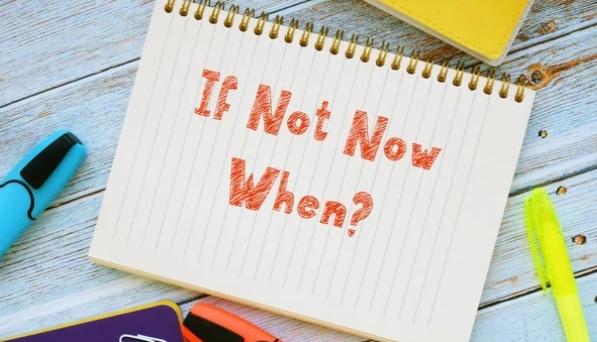
If you are waiting for the right time its now

if you are waiting for the right time its now

There is a popular saying that goes, “Don’t wait for the perfect moment, take the moment and make it perfect”. This sentiment holds true in many aspects of life. But perhaps none more so than when it comes to waiting for the right time to make a change or pursue a dream.

Too often, we find ourselves putting off our goals and aspirations because we think that the timing isn’t quite right. We tell ourselves that we’ll start that new business when the economy is better. We’ll go back to school when we have more money saved up, or we’ll start eating healthier when things settle down at work. The truth is, there will never be a perfect time to make a change or take a leap of faith.

Life is unpredictable and full of uncertainties. Waiting for the right time to make a change is like waiting for the perfect wave to surf – it may never come. Instead of waiting for the stars to align, it’s important to realize that the only time we have is now.

If we keep putting off our dreams and aspirations, we run the risk of never making them a reality. We may continue to come up with excuses or reasons why now isn’t the right time, but deep down we know that we are just delaying our own happiness and success.

So, if you find yourself waiting for the right time to make a change in your life, I urge you to take a step back and consider this: what are you really waiting for? Are you waiting for things to magically fall into place, or are you waiting for the courage to take that first step?

It’s easy to get caught up in the idea that the perfect moment will present itself if we just wait a little longer. But the reality is that the right time may never come unless we create it ourselves. We must take control of our own lives and make the decision to pursue our dreams, no matter what obstacles may stand in our way.

When we let go of the idea that we need to wait for the right moment, we free ourselves from the limitations that hold us back. We give ourselves permission to take risks, to make mistakes, and to learn and grow from our experiences. We become the architects of our own destiny, rather than passive observers waiting for the universe to grant us permission to pursue our dreams.

So, if you are waiting for the right time to make a change in your life, I implore you to consider this: the right time is now. Don’t let fear, doubt, or uncertainty hold you back any longer. Take that first step towards your goals and dreams, and trust that the universe will support you in your journey. The only way to guarantee that the right time is now is to make it so yourself.

Do it now because sometimes ‘later’ never come

Better an ‘oops’ than a ‘what if’

better an oops than a what if

Life is full of uncertainties and unexpected twists and turns. We never know what the future holds or what choices we should make in order to ensure success and happiness. Often, we find ourselves afraid to take risks or make decisions, fearing that we may make a mistake or regret our actions later on. However, it is important to remember that sometimes it is better to say “oops” and learn from our mistakes rather than wonder “what if” and dwell on missed opportunities.

The idea of “better oops than what if” encourages us to embrace the unknown and be willing to take risks. It reminds us that it is better to try and fail than to never try at all. Mistakes are a natural part of the learning process and can often lead to growth and personal development.

When we allow ourselves to make mistakes, we open ourselves up to new opportunities and experiences. We learn more about ourselves and our capabilities, and we become more resilient in the face of challenges. By taking risks and embracing the possibility of failure, we become more confident in our abilities and more willing to step out of our comfort zones.

Why its better to say ‘oops’ than to wonder ‘what if’

Regret is a powerful emotion that can haunt us for years, sometimes even a lifetime. It is the feeling of wishing we had done things differently or taken a different path. Regret stems from a place of uncertainty and fear of failure. We worry that if we make a decision, it may turn out to be the wrong one and we will have to live with the consequences. This fear of failure can paralyze us and prevent us from taking risks or seizing opportunities that come our way.

On the other hand, saying “oops” acknowledges that we are human and bound to make mistakes. It is a sign of humility and acceptance of our imperfections. By admitting our faults and acknowledging our mistakes, we can learn from them and grow as individuals. Making mistakes is a natural part of life and essential for personal growth and development. It is through trial and error that we learn what works and what doesn’t, and how to improve ourselves moving forward.

Saying “oops” also frees us from the burden of regret. It allows us to move on from past mistakes and focus on the present moment. Dwelling on “what if” scenarios only leads to unnecessary stress and anxiety. It keeps us stuck in the past and prevents us from moving forward. By accepting our mistakes and learning from them, we can let go of regrets and live a more fulfilling and satisfying life.

Additionally, saying “oops” opens us up to new opportunities and experiences. It encourages us to take risks and embrace challenges. Knowing that failure is not the end but just a stepping stone towards success. It gives us the courage to try new things and step out of our comfort zones. Knowing that even if we fail, we can learn valuable lessons along the way.

Therefore, it is better to say “oops” than to wonder “what if.” Making mistakes is a natural part of life and essential for personal growth and development. By admitting our faults and learning from our mistakes, we can move on from past regrets and live a more fulfilling and satisfying life. So next time you find yourself hesitating to take a risk or make a decision, remember that it is better to try and fail than to never try at all. Say “oops” and embrace the opportunity to learn and grow.

How to have a growth mindset in life?

Why forgiveness is important in life

why forgiveness is important in life

Forgiveness is a powerful tool that can greatly impact our lives in positive ways. It allows us to let go of negative emotions such as anger, resentment, and bitterness, and instead, focus on moving forward and healing from past hurts. Forgiveness is not just about excusing the actions of others, but rather, it is about releasing ourselves from the burden of holding onto grudges and resentments.

One of the most important reasons why forgiveness is important in life is that it helps us to maintain healthy relationships with others. Holding onto anger and resentment towards someone can create tension and conflict in our relationships. It leads to further hurt and misunderstandings. By choosing to forgive others for their mistakes, we can strengthen our relationships and create more peaceful and harmonious environment.

Forgiveness also plays a vital role in our mental and emotional well-being. Holding onto grudges and resentments can lead to feelings of stress, anxiety, and depression, as we continue to dwell on negative emotions. By choosing to forgive, we release ourselves from these negative emotions and experience a sense of inner peace and contentment. Forgiveness allows us to let go of the past and focus on the present moment. Focusing on the present moment leads to greater happiness and emotional resilience.

Moreover, forgiveness is essential for personal growth and healing. When we hold onto anger and resentment towards others, we are allowing these negative emotions to control our lives and hinder our personal growth. By choosing to forgive, we can release ourselves from these emotional burdens and create space for personal growth and healing. Forgiveness allows us to let go of the past and move forward with a sense of openness and acceptance.

In addition, forgiveness is crucial for our overall well-being and physical health. Studies have shown that holding onto anger and resentment can have negative effects on our physical health. The negative effects are such as increased risk of heart disease, high blood pressure, and weakened immune system. By choosing to forgive, we can reduce stress and lower our risk of developing these physical health issues. With this we can lead a healthier and more fulfilling life.

Therefore, forgiveness is a powerful tool that can greatly impact our lives in positive ways. It allows us to let go of negative emotions, maintain healthy relationships, promote emotional well-being, stimulate personal growth, and improve our overall well-being. By choosing to forgive, we can create a more peaceful and harmonious environment for ourselves and others. It ultimately leads to greater happiness and fulfillment in life.

How our mindset makes a big difference in life

Do it now because sometimes ‘later’ never come

do it now because sometimes later never comes

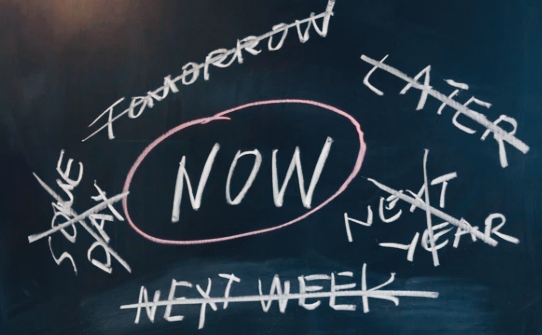
Procrastination is a common habit that many people struggle with. We often put off important tasks or decisions for later. We put these tasks off believing that we will have more time or motivation to do them in the future. However, what we fail to realize is that sometimes, later never comes. The phrase “do it now because sometimes later never comes” holds a deep truth that we should all heed.

We cannot predict the future or guarantee that we will have the same opportunities or resources tomorrow that we’ve today. By procrastinating and delaying important actions, we risk missing out on valuable opportunities. We also risk facing regret for not taking action when we had the chance.

One of the main reasons why we procrastinate is due to fear of failure or uncertainty about the outcome of a task. We convince ourselves that we will perform better later on, when we’ve more time or when conditions are more favorable. However, this mindset often leads to missed deadlines, wasted opportunities, and added stress.

There are countless stories of people who put off pursuing their dreams or making important decisions, only to later regret not taking action sooner. Whether it’s starting a new business, pursuing a passion, repairing a relationship, or making a significant life change, waiting for the perfect moment or feeling can often result in missed opportunities and unfulfilled desires.

By embracing the philosophy of “do it now,” we can take charge of our lives. We can take charge and make the most of the present moment. Instead of waiting for the perfect conditions or feeling, we can seize the opportunity to take action and move forward towards our goals and aspirations. Taking small steps each day towards our objectives can lead to significant progress and growth over time.

It’s essential to remember that time is a precious commodity that we cannot afford to waste. Every moment that we spend procrastinating is a moment that we could have used to make a positive change. By recognizing the importance of taking action now, we can make the most of our time and create a life filled with purpose and satisfaction.

Therefore, “do it now because sometimes later never comes” serves as a powerful reminder for us to seize the present moment and take action towards our goals and aspirations. By overcoming procrastination and making the most of each day, we can create a fulfilling and meaningful life. A life that is full of purpose and joy. So, don’t wait for tomorrow – take action now and make the most of the opportunities that are within your reach.

Focus on the process not the result

How to know when to give up

how to know when to give up

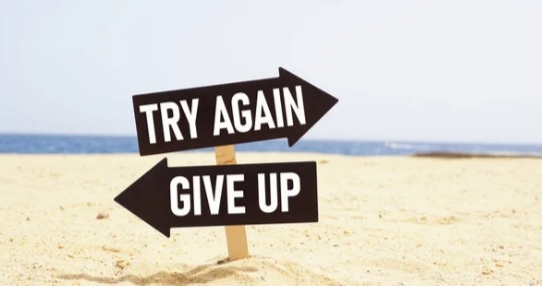
Knowing when to give up is a difficult decision to make, especially when you have invested time, effort, and emotions into a particular goal or relationship. However, sometimes letting go is the best thing you can do for yourself. There is no definitive way to know when to give up on something. Still, some signs can help you make the decision of whether to give up or not.

Here are some signs that may indicate it’s time to give up

You’ve Exhausted All Options

If you have tried everything you can think of to achieve your goal or improve a situation, and nothing seems to be working, it may be time to accept that the situation is beyond your control.

Your Mental or Physical Health is Suffering

If pursuing a goal or holding onto a relationship is causing you stress, anxiety, or physical health issues, it may not be worth the toll it is taking on you. Your well-being should always come first.

You’ve Lost Interest

Over time, our priorities and interests can change. If you find that you no longer care about achieving a particular goal or being in a certain relationship, it may be a sign that it’s time to move on.

You’re Being Held Back

If holding onto a goal or relationship is preventing you from growing, learning, or pursuing other opportunities, it may be time to let go. Staying in a situation that is holding you back will only hinder your personal development.

You’re Not Happy

Ultimately, your happiness should be a priority. If pursuing a goal or being in a relationship is no longer bringing you joy and fulfillment then may be its time to reevaluate your priorities.

You’ve Tried and Failed

Failure is a natural part of life. It’s important to recognize when it’s time to let go of a goal that is consistently out of reach. Continuing to pursue something that is not meant for you may only lead to more frustration and disappointment.

It can be difficult to know when to give up, but sometimes doing so is the best thing you can do for yourself. Trust your instincts and pay attention to the signs that may indicate it’s time to let go. Remember that giving up on one thing does not make you a failure; it simply means you are redirecting your energy towards something more positive and fulfilling. Its better for your wellness that you focus your energy on the things that makes you happy.

Failure is the first step towards success

How to channel your energy into one thing

how to channel your energy into one thing

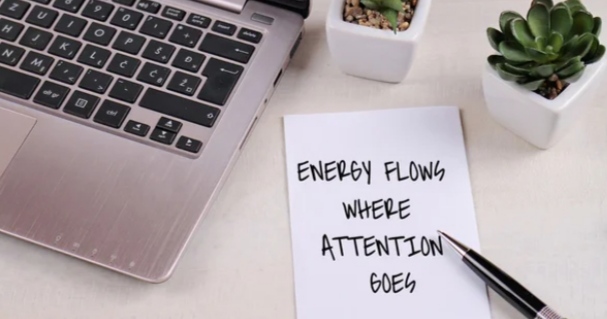
Many of us struggle with managing our energy and focusing it on just one thing. With so many distractions and commitments in our daily lives, it can be challenging to channel your energy into one specific goal or project. However, with the right strategies and mindset, it is possible to concentrate your energy and achieve your desired outcome.

Here are some tips on how to channel your energy into one thing

Set clear goals

Before you can channel your energy into one thing, you need to have a clear understanding of what that one thing is. Therefore, set specific, measurable, achievable, relevant, and time-bound goals for yourself. This will give you a clear direction and purpose, making it easier to focus your energy on achieving your objective.

Eliminate distractions

In order to channel your energy into one thing, you need to eliminate distractions that may prevent you from staying focused. Identify what distracts you and take steps in order to remove or minimize those distractions. This may involve turning off notifications on your phone, finding a quiet workspace, or setting boundaries with others.

Prioritize your time

It is important to prioritize your time and dedicate specific blocks of time to work on your goal. Create a schedule and stick to it, allocating time each day to focus on your one thing. By prioritizing your time, you will be able to make progress towards your goal consistently.

Practice mindfulness

Mindfulness is a powerful tool that can help you stay present and focused on your one thing. Take time each day to practice mindfulness exercises such as meditation or deep breathing. This will help clear your mind, reduce stress, and increase your ability to concentrate on your goal.

Stay committed

Channeling your energy into one thing requires commitment and perseverance. Stay committed to your goal, even when faced with challenges or setbacks. Remind yourself of the reasons why you are pursuing this one thing and stay motivated to achieve it.

Get support

Surround yourself with supportive people who can help you stay on track and provide encouragement when needed. Share your goals with friends, family, or a mentor who can hold you accountable and provide guidance along the way.

By following these tips, you can channel your energy into one thing and achieve your desired outcome. Remember that focus and determination are key to success, and with the right mindset and strategies, you can accomplish anything you set your mind to. Stay motivated, stay focused, and watch as your energy propels you towards your goal.

How our mindset makes a big difference in life