Why its hard to be satisfied with oneself

why its hard to be satisfied with oneself

In today’s society, it seems like we are constantly bombarded with messages that make us feel like we are never good enough. From social media to advertising, we are constantly comparing ourselves to others and feeling like we fall short in some way. This constant comparison can make it incredibly difficult to be satisfied with ourselves.

One of the main reasons why it is hard to be satisfied with oneself is because of the unrealistic expectations that we set for ourselves. We compare ourselves to the carefully curated images that we see on social media and believe that we need to live up to those standards in order to be happy and successful. This can create feelings of inadequacy and self-doubt, leading to a lack of satisfaction with who we are.

Another reason why it is hard to be satisfied with oneself is because we are constantly seeking validation from others. We base our self-worth on the opinions and approval of others, rather than valuing ourselves for who we truly are. This can lead to a constant need for external validation, which can be exhausting and ultimately unsatisfying.

Additionally, societal pressures and expectations can also contribute to our difficulty in being satisfied with ourselves. We are often taught from a young age that we need to achieve certain milestones or fit into certain molds in order to be successful and happy. This can lead to feelings of failure and dissatisfaction if we do not meet these expectations.

How to be satisfied with oneself?

Being satisfied with oneself is an important aspect of personal growth and overall well-being. It involves accepting yourself for who you are, embracing your strengths and weaknesses, and finding contentment in your own skin. While it may take some time and effort to achieve self-satisfaction, it is definitely worth the journey. Here are some tips on how to be satisfied with oneself:

  1. Practice self-acceptance: Accept yourself, flaws and all. Understand that nobody is perfect and it is okay to have imperfections.
  2. Practice self-care: Take care of your physical, emotional, and mental well-being. Engage in activities that make you feel good and prioritize your needs.
  3. Set realistic goals: Set achievable goals for yourself and work towards them. Celebrate your achievements, no matter how small they may seem.
  4. Practice gratitude: Reflect on the things in your life that you are grateful for. Appreciating the positives in your life can help shift your focus away from negative self-perceptions.
  5. Develop self-awareness: Understand your strengths and weaknesses. Knowing yourself better can help you make informed decisions and also help you cultivate self-compassion.
  6. Surround yourself with positive influences: Surround yourself with people who support and uplift you. Avoid toxic relationships that bring you down.
  7. Seek help if needed: If you are struggling with self-acceptance or self-esteem, consider seeking help from a therapist or counselor. They can provide you with tools and techniques in order to improve your self-image and overall well-being.

Remember that self-acceptance is a journey and it takes time and effort to cultivate a positive relationship with yourself. Therefore, be patient and kind to yourself as you work towards being satisfied with who you are.
Your choices make your lifestyle

How to be a high value individual

how to be a high value individual

Being a high value individual means cultivating qualities and behaviors that demonstrate your worth and attract others to you in a positive way. It involves self-awareness, self-improvement, and a commitment to personal growth. Here are some tips on how to become a high value individual:

Cultivate self-confidence

Confidence is attractive and shows that you believe in yourself and your abilities. Work on building your self-esteem and challenging negative self-talk. Practice positive affirmations and surround yourself with supportive people who encourage you to be your best self.

Develop strong communication skills

Good communication is key to building strong relationships and thriving in both personal and professional settings. Practice active listening, express yourself clearly and concisely, and be open to feedback from others. Communication is a two-way street, so make sure to both speak and listen effectively.

Pursue your passions

High value individuals are passionate about their interests and goals. Therefore, find what excites you and pursue it with enthusiasm and dedication. Whether it’s a hobby, career, or cause you care about, immersing yourself in something meaningful will not only bring you fulfillment but also make you more attractive to others.

Take care of yourself

Physical and mental health are important components of being a high value individual. Prioritize self-care by eating well, exercising regularly, getting enough sleep, and managing stress effectively. Investing in your well-being not only improves your quality of life but also makes you more resilient and attractive to others.

Practice empathy and compassion

High value individuals are empathetic and compassionate towards others. Show kindness, understanding, and support to those around you, and be willing to lend a helping hand when needed. Empathy builds strong connections with others and fosters a sense of community and belonging.

Set goals and pursue personal growth

High value individuals are always striving to improve themselves and achieve their full potential. Set meaningful goals for yourself, whether they’re related to your career, relationships, health, or personal development. Take steps in order to work towards those goals and continually seek opportunities for growth and learning.

Maintain a positive attitude

A positive attitude is contagious and can attract others to you. Hence, stay optimistic, focus on the good in every situation, and approach challenges with a can-do mindset. Positivity not only enhances your own well-being but also makes you more appealing to others.

    Becoming a high value individual is a journey that requires self-reflection, effort, and a commitment to continuous growth. By cultivating self-confidence, strong communication skills, pursuing your passions, taking care of yourself, practicing empathy and compassion, setting goals, and maintaining a positive attitude, you can elevate yourself to a higher level and inspire those around you to do the same. Remember, being a high value individual is not about being perfect, but about embracing your unique qualities and striving to be the best version of yourself.

    Sometimes even your best is not good enough

    5 things you should know about your life

    5 things you should know about your life

    Life is a mysterious journey full of twists and turns that we cannot always control. However, there are certain aspects of our existence that we can better understand and navigate to live a more fulfilling and meaningful life. Here are five things you should know about your life:

    Your values and beliefs shape your actions

    It is crucial to have a clear understanding of what you value and believe in, as these will ultimately guide your choices and decisions. Knowing your core values and beliefs will help you stay true to yourself and lead a more authentic life.

    Your relationships impact your well-being

    The people you surround yourself with play a significant role in your overall happiness and well-being. It is important to cultivate healthy and positive relationships that support and uplift you. Similarly, it is essential to recognize toxic relationships and have the courage to let go of them.

    Your mental and physical health are interconnected

    Your mental and physical health are closely connected, and taking care of one will inevitably benefit the other. Therefore, it is crucial to prioritize self-care, including regular exercise, good nutrition, sufficient sleep, and mental health practices like meditation or therapy.

    Your mindset shapes your reality

    Your thoughts and beliefs have the power to shape your reality. By cultivating a positive and growth-oriented mindset, you can overcome challenges, achieve your goals, and lead a more fulfilling life. Practice gratitude, positive affirmations, and self-reflection in order to foster a healthy mindset.

    Your purpose gives meaning to your life

    Understanding your purpose and passion in life can give you a sense of direction and fulfillment. Hence, take the time to explore your interests, strengths, and values to discover what truly lights you up and gives your life meaning. Once you find your purpose, pursue it with passion and dedication.

      Hence, knowing these five key aspects of your life can help you navigate its ups and downs, make better choices, and ultimately lead a more fulfilling and meaningful existence. Take the time to reflect on these points and make any necessary changes to align your life with what truly matters to you.

      Embracing life with its unexpected turns

      Time is the most valuable resource

      time is the most valuable resource

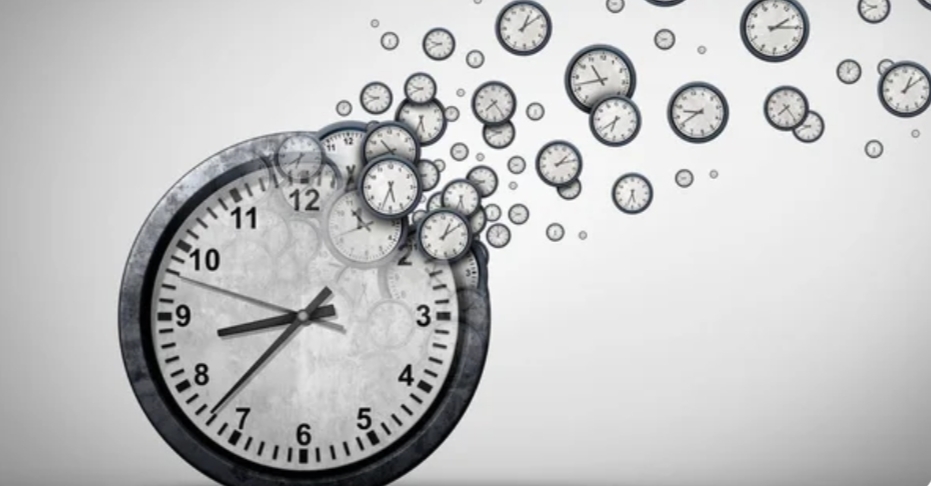
      Time is often described as the most precious resource we have. It is something that once it is gone, we can never get back. Time is a finite resource that we all have a limited amount of, yet how we choose to use it can greatly impact our lives.

      In today’s fast-paced world, where we are constantly bombarded with distractions and demands on our time, it can be easy to lose sight of just how valuable our time truly is. From the moment we wake up in the morning, to the time we finally go to bed at night, we are often juggling multiple tasks and responsibilities, leaving us feeling overwhelmed and stressed.

      However, its important to remember that time is the one resource we cannot buy, trade, or regain once its spent. It is finite, and once it is gone, it is gone forever. This is why it is so important to use our time wisely and make the most of every moment.

      Time management is key to maximizing the value of this precious resource. By prioritizing tasks, setting goals, and eliminating time-wasting activities, we can ensure that we are making the most of our time. This can help us to stay organized, focused, and productive, allowing us to accomplish more in less time.

      Learn to say no

      Another important aspect of time management is learning to say no. Often, we feel the need to say yes to every request or opportunity that comes our way. We fear that we will miss out on something important. However, by saying no to things that do not align with our goals or values, we can free up more time for the things that truly matter to us.

      Learning to say no can also help us to assert ourselves and communicate our needs effectively. By setting boundaries and being clear about what we can and cannot take on, we can avoid being taken advantage of. With this we can ensure that our time and energy are being used in a way that serves us best.

      Ultimately, time is the most valuable resource we have because it is what allows us to achieve our goals. It also allows us to pursue our passions, and create meaningful experiences. By recognizing the importance of time and using it wisely, we can live more fulfilling and purposeful lives. So, let us all make the most of our time and cherish this precious resource that we have been given.

      The illusion of perspective of life

      Allow yourselves to be free

      allow yourselves to be free

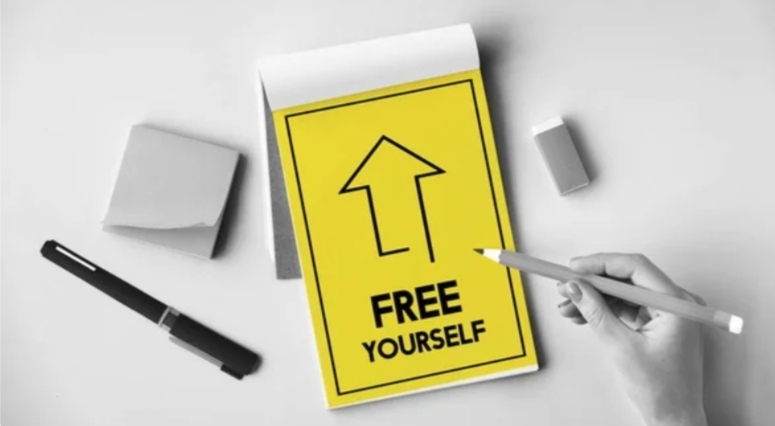
      In a world filled with stress, pressure, and expectations, it is important for individuals to give themselves permission to be free. This may seem like a simple concept, but in reality, many people struggle to break free from the constraints that society, family, and even they themselves have placed upon them.

      What does it mean to be free?

      To be free means to let go of self-imposed limitations and insecurities. It means allowing oneself to follow their passions, dreams, and desires without fear of judgment or failure. It means giving oneself the freedom to make mistakes, explore new opportunities, and grow as an individual.

      Being free also entails letting go of past traumas, regrets, and negative emotions that may be holding you back. It means forgiving yourself and others, and moving forward with a clean slate. It also means releasing yourself from the shackles of self-doubt and self-criticism, and embracing self-love and self-acceptance.

      Allowing oneself to be free requires courage, strength, and a willingness to step outside of your comfort zone. It means taking risks, facing challenges head-on, and learning from every experience, whether good or bad. It means being open to change, growth, and self-discovery.

      When you give yourself the freedom to be who you truly are, amazing things can happen. You may discover hidden talents, passions, and strengths that you never knew you had. You may find new opportunities, friendships, and experiences that bring joy and fulfillment to your life. Also, you may even inspire others to do the same, creating a ripple effect of positivity and empowerment.

      So, I urge you to allow yourself to be free. Trust in yourself, believe in your worth, and embrace the journey of self-discovery. Let go of the past, release your fears, and step into the future with confidence and optimism. The world is full of endless possibilities, and it is up to you to seize them. So, be free, be bold, and be unapologetically yourself.

      How to know are you at the right place or not

      Your choices make your lifestyle

      your choices make your lifestyle

      In life, we are constantly faced with choices that shape our paths and ultimately make up our lifestyle. From the simplest decisions like what to eat for breakfast to major life choices like career paths or relationships. Our choices have a significant impact on our overall well-being.

      It all starts with small decisions we make on a daily basis. What we choose to prioritize in our lives. Whether it’s health, fitness, relationships, or career, has a direct effect on the lifestyle we lead. For example, choosing to prioritize regular exercise and healthy eating can lead to a fit and active lifestyle. On the other hand prioritizing socializing and building relationships can result in a more social and outgoing lifestyle.

      Our choices also determine the habits we form, which in turn shape our lifestyle. Repetition of choices makes our habits. Whether it’s choosing to go for a run every morning or opting to watch TV instead of reading a book. These habits then become ingrained in our daily routines and ultimately define the kind of lifestyle we lead.

      Furthermore, the choices we make in how we spend our time and money also play a significant role in determining our lifestyle. Choosing to invest time and money in experiences, personal development, building relationships can lead to a fulfilling and enriching lifestyle. On the other hand, prioritizing material possessions or instant gratification can result in a shallow and unfulfilling lifestyle.

      Ultimately, our choices reflect our values, priorities, and goals in life. By being mindful of the choices we make, we can steer our lives in a direction that aligns with our beliefs and desires. Whether it’s choosing to prioritize self-care, personal growth, happiness, or success, our choices have the power to shape the lifestyle we lead.

      Therefore, our choices truly do make our lifestyle. By being intentional and conscious of the decisions we make, we can create a lifestyle that is in line with our values and aspirations. So, next time you are faced with a decision, remember that your choices have the power to shape the life you lead. Choose wisely.

      The illusion of choice in life

      When nothing seems to go right

      when nothing seems to go right

      It’s a familiar feeling that we all experience at some point in our lives – when nothing seems to go right. Whether it’s personal relationships, work, health, or any other aspect of our lives, it can feel overwhelming and frustrating when everything seems to be going wrong.

      When we find ourselves in this situation, it can be incredibly challenging to stay positive and motivated. We may feel like we’re stuck in a never-ending cycle of setbacks and obstacles, and it can be difficult to see a way out.

      But even when nothing seems to go right, it’s important to remember that this too shall pass. Life is full of ups and downs, and while it may be difficult to see it in the moment, there is always a light at the end of the tunnel.

      What to do when nothing goes right?

      One of the first steps to take when facing a string of setbacks is to acknowledge and accept your feelings. It’s okay to feel frustrated, upset, or even defeated. Allow yourself to experience these emotions, but don’t let them consume you. Find healthy ways to cope with your emotions, whether it’s talking to a friend, journaling, or engaging in activities that bring you joy.

      Next, try to shift your focus from what’s going wrong to what’s going right. It can be easy to fixate on our problems and overlook the positives in our lives. Take a moment to reflect on the things you’re grateful for, whether it’s your loved ones, your health, or the small moments of joy that bring you happiness.

      It can also be helpful to take a step back and evaluate the situation objectively. Are there any patterns or recurring issues that you can identify? Is there a way to approach the problem from a different angle? Sometimes, a fresh perspective can make all the difference in finding a solution.

      Remember to be kind to yourself during challenging times. It’s okay to make mistakes, to feel overwhelmed, and to struggle. No one is perfect, and we all face obstacles in life. Give yourself permission to take a break, to practice self-care, and to seek support from others.

      Lastly, remember that setbacks and challenges are an inevitable part of life. They are opportunities for growth, learning, and resilience. When nothing seems to go right, it can be a chance to develop new skills, to discover your strengths, and to emerge stronger on the other side.

      So, when you find yourself in a situation where nothing seems to go right, remember that this is just a temporary state. Keep moving forward with patience, perseverance, and faith that better days are ahead. Trust in yourself and in the journey that lies ahead. This too shall pass.

      Embracing life with its unexpected turns

      Here’s how you can keep learning new skills?

      Here's how you can keep learning new skills

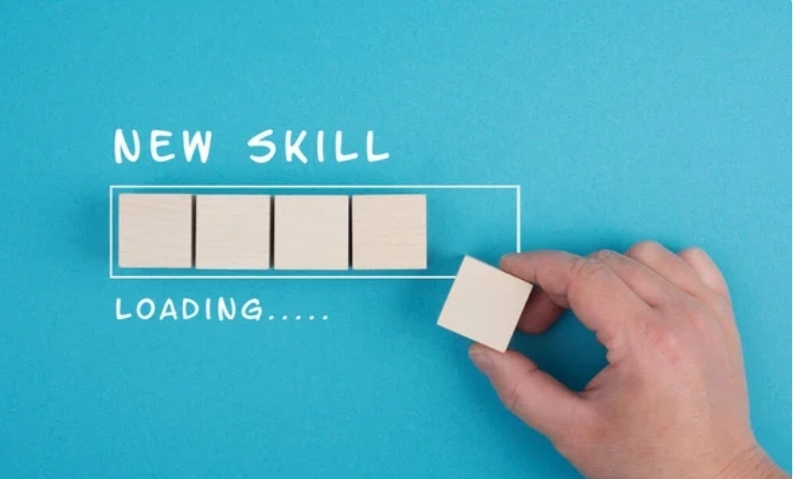
      In today’s fast-paced world, in order to stay relevant in the job market one requires continuous learning and skill development. With technology constantly evolving and industries changing, it’s crucial to remain adaptable and keep learning new skills. Whether you’re looking to advance in your current career or explore new opportunities, here are some tips on how you can keep learning new skills.

      Set clear goals

      Before you embark on your learning journey, determine what skills you want to acquire and why. Setting clear goals will help you stay focused and motivated throughout the process. Whether it’s improving your communication skills, learning a new programming language, or acquiring leadership abilities, having specific objectives in mind will guide your learning path.

      Take advantage of online resources

      The internet is a treasure trove of information and resources for learning new skills. Websites like Coursera, Udemy, and LinkedIn Learning offer a wide range of courses on various topics, from digital marketing to data analysis. You can also find tutorials, webinars, and articles on platforms like YouTube, TED Talks, and Medium. Take advantage of these resources in order to enhance your knowledge and skills.

      Join a community or network

      Surrounding yourself with like-minded individuals who share your interests can be a great way to learn new skills. Joining a professional association, attending networking events, or participating in online communities can provide you with valuable insights and opportunities for growth. Engaging with others who are also passionate about learning can inspire you and keep you motivated.

      Practice regularly

      Learning a new skill takes time and practice. Therefore, make sure to dedicate regular time to honing your abilities and applying what you’ve learned. Whether it’s through hands-on projects, group discussions, or real-world scenarios, practicing your skills will reinforce your learning and help you make progress.

      Seek feedback and mentorship

      Feedback is essential for growth and improvement. Don’t be afraid to ask for feedback from peers, mentors, or experts in the field. Their insights can help you identify areas for improvement and provide valuable guidance on how to enhance your skills. Finding a mentor can also be beneficial in your learning journey. Mentors can offer guidance, support, and valuable insights based on their own experiences.

      Stay curious and be open to new experiences

      Learning new skills requires a curious mind and a willingness to step out of your comfort zone. Be open to trying new things, exploring different perspectives, and embracing challenges. Adopting a growth mindset and viewing setbacks as opportunities for learning and development will help you stay resilient and motivated in your pursuit of new skills.

        Hence, keep learning new skills because it is essential for personal and professional growth in today’s rapidly changing world. By setting clear goals, leveraging online resources, joining communities, practicing regularly, seeking feedback, and staying curious, you can continuously expand your knowledge and abilities. Embrace the learning process as a lifelong journey and enjoy the rewards of acquiring new skills and staying ahead of the curve.

        Things that hold power over our mind

        How to know are you at the right place or not

        how to know are you at right place or not

        Finding the right place to be in life is essential for overall happiness and fulfillment. Whether it’s your job, relationship, living situation, or any other aspect of your life, being in the right place can make all the difference. But how do you know if you are in the right place or not? Here are a few key indicators to help you determine if you are where you should be:

        Your gut feeling

        Trust your intuition. If you feel a sense of peace, contentment, and joy in your current situation, then chances are you are in the right place. Your gut feeling is often a good indicator of whether something is right for you or not. Listen to it and trust it.

        Alignment with your values and goals

        Take a step back and evaluate if your current situation aligns with your values and goals. Are you living in alignment with what is important to you? If your values and goals are not being met then it may be a sign that you are not in the right place.

        Growth and development

        Are you growing and evolving in your current situation? Are you learning new things and challenging yourself? If you feel stagnant and stuck then it may be a sign that you are not where you should be. Growth and development are key indicators of being in the right place.

        Positive relationships

        Surround yourself with people who uplift and support you. If your relationships are toxic, draining, or unhealthy then it may be a sign that you are not in the right place. Positive relationships are essential for overall well-being and happiness.

        Authenticity and self-expression

        Are you able to be your true self in your current situation? Are you able to express yourself authentically and fully? If you feel stifled or constrained, it may be a sign that you are not in the right place. Being able to be yourself and express yourself is crucial in order to feel fulfilled.

        Sense of purpose

        Do you feel a sense of purpose and meaning in your current situation? Are you passionate about what you are doing? Feeling a sense of purpose is a strong indicator that you are in the right place. When you are aligned with your purpose, everything falls into place.

          Ultimately, only you can determine if you are in the right place or not. Take the time to reflect on these key indicators and listen to your intuition. If you find that you are not in the right place, make the necessary changes to get yourself there. Life is too short to stay in situations that do not serve you. Therefore, trust yourself and take the necessary steps to ensure that you are where you should be.

          Persistence is important in life

          Saying ‘No’ is better than trying to be nice

          saying 'no' is better than trying to be nice

          In today’s society, there is a common belief that being nice and accommodating to others is the best way to navigate social interactions. While being kind and considerate is important, there are times when saying no is actually the better choice.

          Too often, people find themselves agreeing to things they don’t want to do out of a sense of obligation or fear of disappointing others. Therefore, this can lead to feelings of resentment, stress, and burnout. By saying yes to everything, you are essentially prioritizing the needs and desires of others over your own well-being.

          Saying no is not about being selfish or uncaring. In fact, it is about setting boundaries and asserting yourself in a healthy way. By saying no, you are being honest with yourself and others about what you are able and willing to do. This can lead to more authentic and fulfilling relationships, as you are not pretending to be someone you are not.

          Additionally, saying no can actually benefit the other person as well. By being honest about your limitations, you are giving them the opportunity to find alternative solutions or resources. It is important to remember that it is not your responsibility to always say yes and solve everyone else’s problems.

          Of course, saying no can be difficult, especially if you are a people pleaser or worry about upsetting others. However, it is a skill that can be learned and practiced over time. Start by setting clear boundaries and being assertive in your communication. Remember that it is okay to prioritize your own needs and well-being.

          Therefore, saying no is better than trying to be nice in certain situations. It allows you to be true to yourself, set boundaries, and prioritize your own well-being. By being honest and assertive in your communication, you can cultivate more authentic and fulfilling relationships with others. Saying no is not selfish, it is an act of self-care and self-respect.

          Embracing life with its unexpected turns